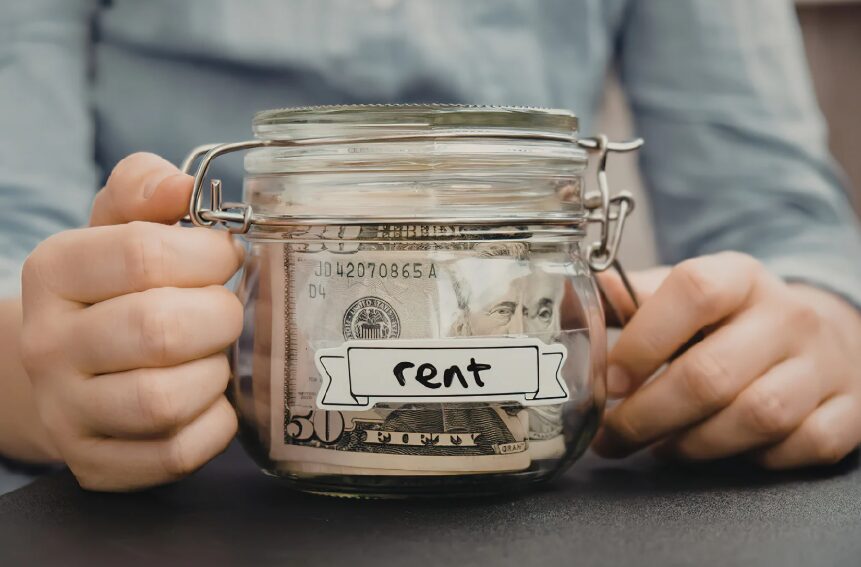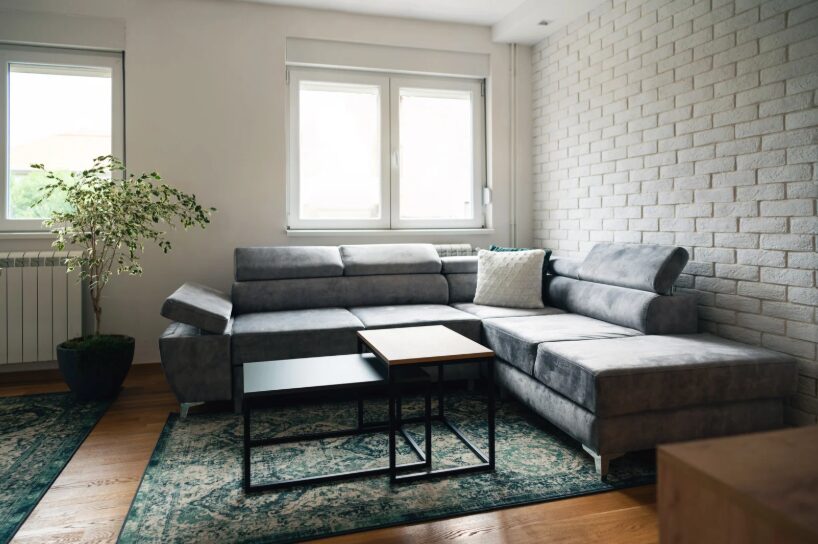

Touring a luxury apartment in Austin is easy. The rooftop pool looks great on a sunny afternoon, the quartz countertops photograph well, and the leasing agent knows exactly which features to highlight. What the tour doesn't cover is the $200 per month in mandatory fees that appear on your first bill, the 3.5x income requirement that disqualifies a significant portion of applicants, or the noise situation on a Friday night if your unit faces Rainey Street.
Austin's Class A apartment market has expanded significantly over the past five years, and with that expansion has come a larger gap between what a building advertises and what it actually costs to live there. Knowing what luxury actually means in Austin, what it costs beyond base rent, what you need to qualify, and which questions to ask before signing separates renters who are prepared from those who get surprised after move-in.
What 'Luxury' Actually Means in Austin's Rental Market
The word luxury appears on a lot of Austin apartment listings. It is not a regulated term, which means any property can use it. What distinguishes a genuine Class A building from a mid-range property marketing itself upward is a combination of construction age, finishes, and amenity investment.
Class A apartments in Austin are generally buildings constructed within the last 10 to 15 years. They are characterized by specific in-unit finishes and community features that mid-range properties don't match. Class B properties, typically 15 to 30 years old, are solid buildings but not in the same category regardless of how their listings are worded.
The practical test when evaluating a luxury building is to look past the marketing language and ask about specifics: the year the building was built, what the required monthly fees total, whether the advertised amenities require separate booking or fees, and what the income and credit thresholds are. A property that checks those boxes without vague answers is operating at the level it claims.
Standard Features in Austin Luxury Apartments
Luxury buildings in Austin compete on two levels: in-unit finishes that affect daily living quality, and community amenities that are part of the marketing pitch. Both matter, but they matter differently. The finishes are there every day. The sky lounge is there when you plan to use it.
| In-Unit Features | Community Amenities |
|---|---|
| Quartz or stone countertops | Resort-style pool (often rooftop) |
| Hardwood-style plank flooring | High-end fitness center |
| Floor-to-ceiling windows | Coworking spaces and conference rooms |
| In-unit washer and dryer | Sky lounge or rooftop deck |
| Walk-in closets | Concierge or 24-hour front desk |
| Stainless steel appliances | Dog park and pet spa |
| Smart home technology | EV charging stations |
| Private balcony or patio | Package lockers and secure access |
| Double vanities in bathrooms | Guest suites or visitor parking |
Not every Class A building includes every item on this list. Newer towers in downtown Austin tend to have the most complete amenity packages. Buildings in suburban areas like the Domain or Cedar Park often offer comparable in-unit finishes with slightly scaled-back community amenities at lower price points.
What Luxury Apartments Cost in Austin
Rent for a Class A apartment in Austin varies significantly by neighborhood, floor, view, and unit size. The ranges below reflect current market conditions and exclude mandatory fees, which are covered in the next section.
Downtown Austin and Rainey Street
Downtown commands the highest rents in the Austin luxury market. Studios start around $2,000 to $2,600 per month. One-bedrooms run $2,500 to $5,500 at most buildings, with penthouse and high-floor units in newer towers reaching considerably higher. Two-bedrooms typically start at $4,000 and climb well past $8,000 for premium units with skyline views. Specific buildings like 700 River and Northshore sit at the top of this range.
Seaholm and West Downtown
The Seaholm district offers a quieter alternative to the entertainment districts, with buildings like Gables Park Plaza and The Independent. One-bedroom rents in this area typically run $2,200 to $3,800. The trade-off for lower noise levels is somewhat less dramatic views than buildings on the Rainey Street side of downtown.
The Domain and North Austin
Austin's tech corridor around The Domain gives renters Class A quality at prices that are 15% to 25% lower than comparable downtown units. One-bedrooms in the Domain area range from $1,600 to $2,800 per month. This is the area with the strongest concentration of corporate relocators from Apple, Amazon, and nearby employers, which keeps occupancy high even in a soft market.
South Austin and South Congress
Luxury inventory in South Austin has grown with buildings like 1155 Barton Springs, The Marlowe, and several newer Greystar-managed properties. One-bedrooms here typically run $1,700 to $2,800 per month. The appeal is proximity to Zilker Park, Lady Bird Lake, and South Congress without downtown pricing or downtown density.
The Fees Nobody Mentions at the Tour
The base rent on a luxury listing is not what you'll pay each month. Austin's Class A buildings layer mandatory fees on top of base rent that routinely add $100 to $300 per month. These fees appear in your lease, but they're rarely front-and-center during a tour or quoted on a listing site.
Here is what you should expect to see in a luxury Austin apartment lease:
| Fee Type | Typical Range | Notes |
|---|---|---|
| Community / amenity fee | $75 - $300/month | Mandatory; non-optional |
| Parking (reserved/garage) | $125 - $250/month | Often not included in base rent |
| RUBS utility billing | $60 - $150/month | Water, trash, stormwater divided among units |
| Internet / high-speed access | $50 - $75/month | Sometimes bundled, sometimes separate |
| Valet trash service | $20 - $35/month | Usually mandatory |
| Pest control | $5 - $15/month | Mandatory at most buildings |
| Smart home tech package | $20 - $50/month | Optional at some, mandatory at others |
| Package locker service | $5 - $15/month | Often bundled into amenity fee |
| Renters insurance (required) | $15 - $30/month | Proof required at signing |
A building advertising a 1-bedroom at $2,400 per month may have a true monthly cost of $2,650 to $2,900 once all mandatory fees are added. Before signing, ask the leasing office for the total monthly cost in writing, including every required fee, not just base rent. This is particularly important when comparing two buildings where one has a lower base rent but higher mandatory fees.
Application fees at luxury buildings in Austin typically run $50 to $100 per adult applicant, plus a non-refundable administrative fee of $150 to $300. These are paid before any approval decision and are not returned if the application is denied. For a full breakdown of what to expect at move-in, our guide to renting an apartment in Texas covers the typical upfront cost structure across Austin's rental market.
Income and Credit Requirements at Luxury Properties

Class A buildings in Austin apply stricter screening criteria than mid-range properties. Understanding these thresholds before you apply saves application fees and time.
Income Requirements
Most luxury Austin apartments require gross monthly income of 3 to 3.5 times the monthly rent, compared to 2.5 to 3 times at Class B and C properties. On a $2,500 per month unit, that means demonstrating $7,500 to $8,750 in monthly gross income. On a $3,500 per month unit, the requirement climbs to $10,500 to $12,250.
Self-employed applicants typically need to provide three to six months of bank statements or a recent tax return rather than pay stubs. Offer letters for new jobs are accepted at many Class A buildings, but confirm this with the leasing office before applying. For a detailed look at how this process works, our guide to how landlords verify income in Texas covers what documentation each income source requires.
Credit Score Requirements
Luxury buildings typically screen for credit scores of 650 to 700 or higher. Some of the newest and most premium towers in downtown Austin use 700 as their floor. A score below the threshold generally results in a denial, though some properties offer a path through a co-signer or a third-party guarantor service at additional cost.
Background checks at Class A properties are thorough. They cover criminal history, rental history, eviction records, and credit in full. Our overview of background checks for apartments in Texas explains what landlords see and how each component is evaluated.
Before applying anywhere, run the math on whether you qualify at the income multiple for that specific unit. Knowing what you can afford at a luxury income threshold is a more useful starting point than filtering by amenities and working backward.
Concessions at the Luxury Tier: What's Available Right Now
Austin's luxury market is not immune to the broader rental softening across the metro. Many Class A buildings that were fully leased 24 months ago now carry meaningful vacancy, and concessions have returned to a segment of the market that rarely offered them during the 2021 to 2023 peak.
At the time of writing, a significant portion of luxury Austin buildings are offering free rent concessions ranging from four to twelve weeks on new leases. These offers appear at the newer downtown towers, in the Domain corridor, and at several South Austin buildings that came online during the construction surge.
One important nuance: luxury landlords protect their advertised base rent for valuation and financing reasons. A building cannot easily lower its face rent without affecting how lenders and appraisers value the property. Concessions, a month free here or six weeks free there, are the mechanism for reducing your effective monthly cost without touching the listed rate. A unit advertised at $2,800 per month with eight weeks free on a 12-month lease has an effective monthly cost of approximately $2,367. That difference is worth calculating before comparing two buildings at different advertised price points.
If cost management matters to you beyond just the base rent, our guide to strategies for saving money on rent covers how to negotiate concessions and compare net effective rates across multiple buildings.
Best Areas for Luxury Apartments in Austin
Where your building sits in Austin shapes the luxury experience as much as the amenities inside it. The same monthly rent at different addresses delivers very different daily lives.
Downtown and Rainey Street. The highest concentration of new luxury towers, the highest rents, and the most nightlife noise. Units above the 15th floor on interior-facing or lake-facing orientations mitigate the street noise significantly. Best suited to renters who work downtown and want the walkability premium. Read through our overview of the best neighborhoods in Austin to compare this against other central options.
Seaholm District. Positioned between downtown and West Austin, Seaholm offers polished Class A buildings with the restored power plant as a visual anchor, Trader Joe's and Whole Foods walkable, and a quieter residential character than Rainey Street. A strong option for renters who want downtown-quality finishes without downtown noise.
The Domain and North Austin. The best value proposition in the Austin luxury market for renters whose employers are in North Austin. Class A quality at prices 15% to 25% below comparable downtown units. The Domain itself is a walkable master-planned district with retail, restaurants, and easy access to the Red Line MetroRail.
South Congress and South Austin. Newer luxury buildings in the 78704 zip code put residents near Zilker Park, Lady Bird Lake, and South Congress without the density of downtown. The buildings here tend to be lower-rise and more boutique than the downtown towers, and the character of the neighborhood is distinct from the urban core.
East Austin. A growing Class A presence in East Austin offers modern buildings with slightly lower rents than comparable downtown or Domain properties. The area has strong walkability, a distinct cultural character, and direct access to trail systems. For renters who want luxury finishes in a neighborhood with more personality than a planned district, East Austin is worth a serious look.
Questions to Ask Before Signing a Luxury Lease
The leasing tour is designed to highlight the best aspects of a building. These questions are designed to surface the information the tour doesn't cover.
What is the total monthly cost including all required fees? Ask for this in writing. The number should include base rent plus every mandatory line item on your lease: amenity fee, trash, pest control, RUBS utilities, and any technology fees. This is the number to budget against, not the advertised rent.
What does parking cost and how is availability handled? Parking at luxury buildings is almost never included in base rent. Confirm the monthly rate, whether spaces are assigned or first-come, and what guest parking looks like.
What is the unit orientation, and what does it face? A unit facing an entertainment district on a lower floor is a different noise experience than a unit facing a courtyard on the 20th floor. Ask specifically, not just what floor the unit is on but what it overlooks.
Are any community amenities fee-based or require separate reservations? Some rooftop spaces, cabanas, private dining rooms, and fitness classes require booking or carry additional charges. Confirm whether anything beyond basic pool and gym access has an added cost.
What are the early termination terms? Luxury buildings often charge one to two months' rent plus a re-letting fee for breaking a lease early. Know this before signing, particularly if there is any uncertainty in your timeline.
What is the pet policy in full? Breed restrictions, weight limits, the number of pets allowed, and the full cost structure including non-refundable fees, monthly pet rent, and any required pet screening. Our full breakdown of pet fees and deposits explains the difference between each charge and what is refundable.
What are the income and credit thresholds? Ask before submitting a paid application. If your credit score or income multiple doesn't meet their minimum, you'll lose the application fee. Knowing the threshold first costs nothing.
Luxury vs. Mid-Range: Side-by-Side Comparison
| Factor | Luxury (Class A) | Mid-Range (Class B) |
|---|---|---|
| Building age | Last 10-15 years | 15-30 years |
| Typical 1BR rent (Austin) | $2,000 - $4,000+ | $1,200 - $1,900 |
| Required monthly fees | $100 - $300+ | $30 - $100 |
| Income requirement | 3 - 3.5x monthly rent | 2.5 - 3x monthly rent |
| Minimum credit score (typical) | 650 - 700+ | 580 - 650 |
| In-unit finishes | Quartz, plank floors, high ceilings | Granite or laminate, carpet common |
| Community amenities | Rooftop pool, sky lounge, dog spa, concierge | Pool, fitness center, basic common areas |
| Lease flexibility | 12-month standard; some shorter at premium | More flexible, month-to-month more common |
| Current concessions (2026) | 4-12 weeks free at many buildings | 1-2 months free common |
How an Apartment Locator Helps in the Luxury Market
The luxury apartment market in Austin has more properties, more fee structures, and more variability in screening criteria than the mid-range market. A building that looks identical to another on a listing site may have a $200 higher monthly fee burden, a stricter income threshold, or a known noise issue that doesn't come up in a tour.
A licensed apartment locator works with leasing teams at these buildings week over week and knows the details that don't make it into a listing: which buildings are running the most meaningful concessions right now, which have floor plans that actually deliver on the skyline view, which enforce their pet breed restrictions strictly and which are flexible, and where the income thresholds are firm versus negotiable.
Understanding what an apartment locator does is worth a few minutes before starting a luxury search. The service costs renters nothing because the locator's fee is paid by the property where you sign. At the luxury tier, where application fees alone can run $200 to $400 per adult across two or three properties, avoiding wasted applications at buildings you don't qualify for or that don't match your actual needs pays for itself.
The Bottom Line on Luxury Apartment Rentals in Austin
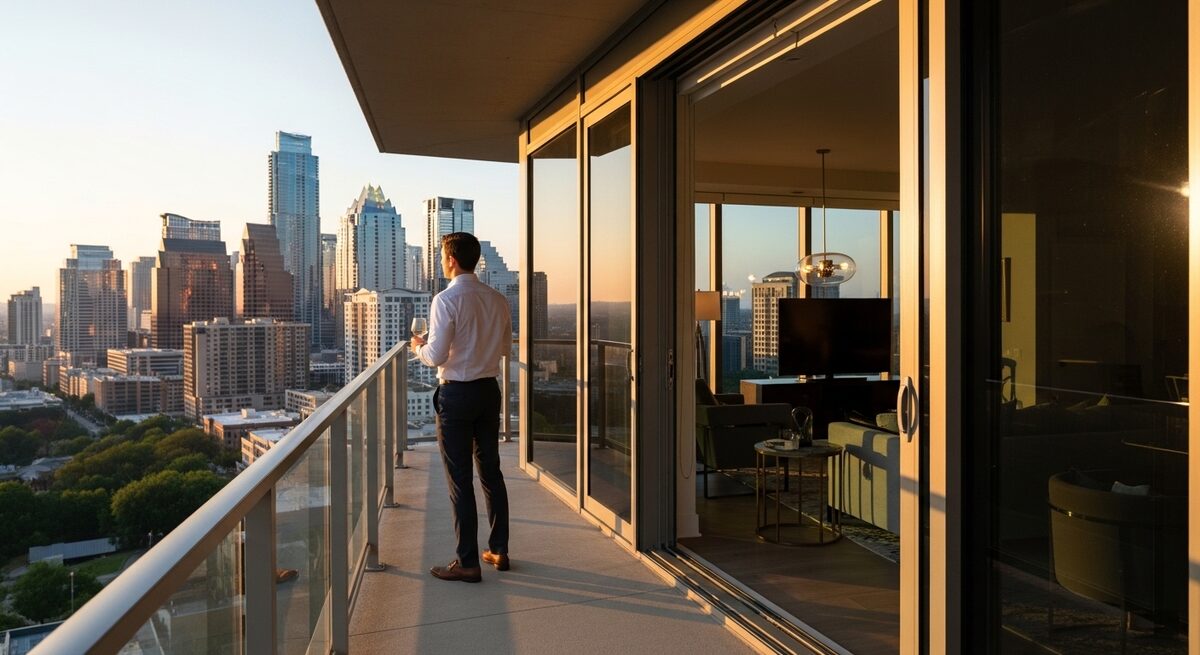
A luxury apartment in Austin delivers a real and meaningful upgrade in finishes, amenities, and building quality over mid-range alternatives. What it requires in return is a higher income multiple, a stronger credit profile, and a clear-eyed budget that accounts for mandatory fees rather than just the advertised rent.
The renters who are happiest in Class A buildings went in knowing their total monthly number, asked the right questions about noise and unit orientation before signing, and understood the concession math well enough to negotiate a meaningful discount off what would have been an already high effective rate.
If you're ready to start comparing options, One Place Locators works with Class A buildings across Austin and can help you find the right building at the right price point, including current concessions that aren't always advertised.
About One Place Locators
One Place Locators is a licensed apartment locating service based in Austin, TX, helping renters find apartments across Austin and greater Central Texas at no cost to the renter. Our certified locators have current knowledge of Austin's luxury market, including which Class A buildings are offering the best concessions, which have the most competitive income thresholds, and which neighborhoods deliver the best value for the price. We are compensated by the property where you sign, which means our goal is always to find you the right building at the right terms, not just the fastest close.
Frequently Asked Questions
What credit score do I need for a luxury apartment in Austin?
Most Class A buildings in Austin screen for a minimum credit score of 650 to 700. The newest and most premium downtown towers often use 700 as their floor. A score below the building's threshold will typically result in a denial, though some properties offer an approval path through a co-signer or a third-party guarantor service. Confirming the specific threshold before paying an application fee is always worth the one phone call it takes.
Are luxury apartments in Austin worth the extra cost?
The answer depends on what you value in daily living and whether the building's income and credit requirements are within reach without stretching your budget uncomfortably. The in-unit finishes, in-unit washer and dryer, and building-wide amenities are real quality-of-life upgrades over older Class B buildings. What makes the math work is finding a Class A building that is offering meaningful concessions in the current market and understanding the total monthly cost, including all mandatory fees, before committing. In Austin's current environment, that combination exists at a number of properties.
Can I negotiate rent at a luxury Austin apartment?
Base rent at Class A buildings is rarely negotiable because it feeds into property valuations that landlords protect. What is negotiable in the current market is the concession structure: free months, waived parking for a lease term, or upgraded unit features at the same price. Start the conversation by asking what specials they are currently running rather than asking for a rent reduction. You will get a more useful answer and avoid a conversation that leasing staff at large corporate buildings don't have the authority to have.
Do luxury apartments in Austin allow pets?
Most Class A buildings in Austin allow pets, but the fee structure and restrictions vary. Expect a non-refundable pet fee, a separate refundable pet deposit, and monthly pet rent on top of base rent. Breed restrictions are common: many buildings exclude certain breeds regardless of the individual animal's temperament. Weight limits vary by building. Some newer downtown towers have relaxed restrictions entirely, while others strictly enforce them. Our breakdown of pet fees and deposits in Austin covers what each charge is for and what is refundable at move-out.
What is the difference between Class A and Class B apartments in Austin?
Class A buildings in Austin are generally constructed within the last 10 to 15 years and feature current finishes, full amenity packages, and premium management. Class B buildings are typically 15 to 30 years old. They are well-maintained and often in good condition, but they don't match the construction quality, finishes, or amenity depth of Class A. Class B properties screen with lower income multiples (2.5 to 3 times rent) and more flexible credit thresholds, and they carry lower mandatory fee structures. For renters whose income or credit doesn't reach Class A thresholds, Class B is often a strong practical choice rather than a compromise.
How do I calculate the net effective rent from a concession offer?
Divide the total rent you would pay over the lease term by the number of months in the lease. If a unit rents for $2,800 per month and the building offers eight weeks free on a 12-month lease, you pay rent for approximately 10 of the 12 months, or $28,000 total. Divided by 12, your net effective monthly cost is approximately $2,333. That difference of $467 per month is the actual value of the concession and should factor into any comparison between buildings with different base rents and different concession offers.
Ready to Find Your Luxury Apartment in Austin?
Whether you're relocating for work, upgrading within the city, or searching the market for the first time, navigating Austin's Class A buildings takes current information. Contact One Place Locators at (737) 530-9067 for a free conversation about your budget, timeline, and what's available in the buildings and neighborhoods you're considering. We'll match you with the right options, including which buildings are running the strongest concessions right now, at no cost to you.