
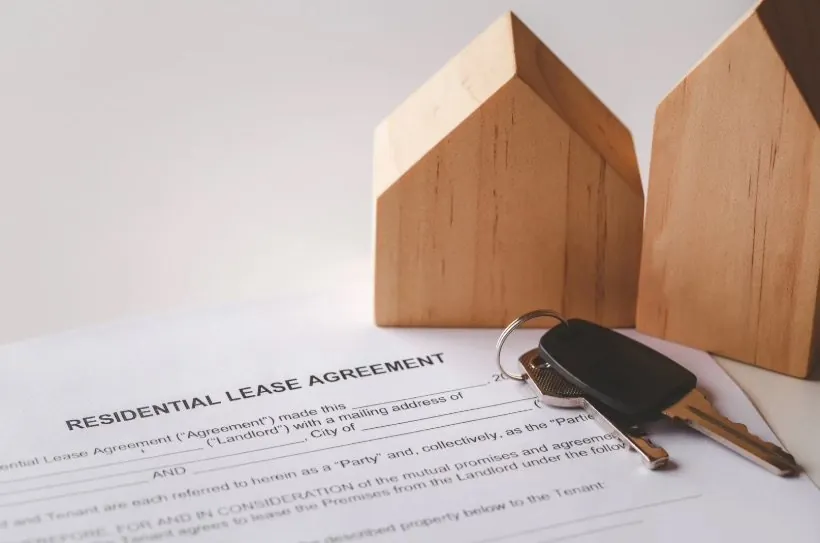
Finding the perfect apartment in Texas can be exciting. Yet the income verification process often creates anxiety for renters. Understanding how landlords confirm income is essential for a smoother application in cities like Houston, Dallas, and Austin.
This guide explains the main methods Texas landlords use to check financial stability. It also highlights the documents you’ll need and how to avoid delays. Being prepared reduces stress and increases your chances of approval.
The verification process follows both federal guidelines and state rules, creating a system that protects landlords and tenants. By knowing what to expect, you can approach your search with greater confidence and efficiency.
One Place Locators helps renters in Texas navigate these requirements effectively. With their guidance, you can prepare the right documents and feel ready for each stage of the rental application.
Meet Income Verification Requirements With the Right Documents
Texas landlords typically require multiple forms of documentation to verify your income thoroughly. The most common primary document is your recent pay stubs, usually covering the last 30 to 60 days of employment.
These pay stubs must show your gross income, deductions, and net pay, providing landlords with a clear picture of your earning consistency and financial reliability. Employment verification letters from your employer serve as another critical component of the documentation process.
These letters should include your job title, start date, current salary, and employment status. Many landlords prefer letters on company letterhead with direct contact information for HR representatives, allowing them to verify the authenticity of the information provided.
Tax returns from the previous one to two years offer landlords insight into your overall financial stability and income trends. This documentation is particularly important for self-employed individuals, freelancers, or those with variable income sources.
Bank statements covering the last two to three months complement these documents by showing your cash flow patterns and savings habits.
Use Reliable Employment Verification Methods

Direct employer contact remains the most reliable method for verifying employment status and income information. Landlords or property management companies typically call your employer’s HR department to confirm your job title, employment dates, and salary details.
This process usually requires written consent from you as the applicant, protecting your privacy while allowing necessary verification. Third-party verification services have become increasingly popular among Texas property managers due to their efficiency and accuracy.
These services streamline the verification process by contacting employers directly and providing standardized reports within 24 to 48 hours. Companies like The Work Number and similar platforms maintain databases of employment information from major employers across Texas.
Online payroll systems and digital verification tools are revolutionizing the income verification landscape. Many landlords now accept screenshots or direct access to online pay portals, provided the information can be authenticated.
This method is particularly useful for remote workers or employees of companies using modern payroll platforms like ADP or Paychex.
Prove Income Effectively as a Self-Employed Professional
Self-employed individuals face unique challenges when verifying income for Texas apartment applications. Landlords typically require more extensive documentation, including profit and loss statements, business bank account records, and client contracts demonstrating ongoing income streams.
Tax returns become especially crucial, often requiring both personal and business filings for the previous two years. Freelancers and gig economy workers must provide comprehensive records of their various income sources.
This includes 1099 forms from clients, invoices showing payment history, and bank statements reflecting regular deposits. Many successful applicants create detailed spreadsheets tracking their monthly earnings over the past year, demonstrating income stability despite the variable nature of freelance work.
Professional financial statements prepared by certified accountants can significantly strengthen applications from self-employed individuals.
While this represents an additional expense, the credibility these documents provide often justifies the cost, especially for high-value rental properties or competitive markets like Austin or Dallas.
Show Proof of Alternative Income Sources
Alternative income sources can also help qualify for a rental in Texas. Landlords accept several types of documented income beyond traditional employment, provided applicants can prove reliability and consistency with the right paperwork.
Here are some examples of alternative income sources you can document to strengthen your application:
- Rental Property Income: Provide lease agreements, rental payment records, and property management statements. Many landlords use only 75% of this income to account for vacancies and expenses.
- Social Security, Disability, or Pension Benefits: Submit benefit statements, award letters, and bank records showing consistent deposits. Federal law protects these income sources, though landlords may verify their permanence.
- Investments: Show brokerage statements and tax forms documenting dividends or interest. For support payments such as alimony or child support, provide court orders and bank records verifying regular deposits.
By organizing these records in advance, applicants demonstrate financial stability and meet landlord requirements with less stress. Clear documentation ensures alternative income is recognized and counted fairly during the application review.
Leverage Technology for Faster Verification

Digital income verification platforms are transforming the rental application process across Texas. Services like Plaid and Yodlee allow applicants to connect their bank accounts directly to verification systems, providing real-time income data while maintaining security and privacy.
This technology reduces processing time from days to hours, benefiting both landlords and prospective tenants. Mobile applications for document submission have become standard practice for many Texas property management companies.
These apps allow secure upload of pay stubs, tax returns, and other required documents while providing real-time status updates throughout the verification process.
The convenience factor has made these platforms particularly popular in tech-forward cities like Austin. Blockchain and cryptocurrency income verification present new challenges for traditional landlords.
As digital currency becomes more mainstream, some progressive Texas property managers are developing protocols for verifying cryptocurrency earnings through exchange statements and digital wallet records, though this remains an evolving area.
Overcome Common Income Verification Challenges
Income fluctuation poses significant challenges for commission-based employees, seasonal workers, and those in variable-pay positions. One Place Locators often recommends that these applicants provide extended documentation periods, showing 12 months of income history rather than the standard 60 days.
Additionally, offering larger security deposits or providing co-signer agreements can help overcome landlord concerns about income variability. Recent job changes can complicate the verification process, even when the new position offers higher compensation.
New employees should obtain written job offers including salary details, start dates, and employment terms. Providing documentation from previous employment alongside new job information demonstrates career progression and financial responsibility.
Credit issues combined with adequate income create unique situations requiring strategic approaches. Some applicants successfully navigate this challenge by providing additional financial documentation, such as savings account statements or investment portfolios, demonstrating overall financial stability beyond their credit scores.
The following factors can strengthen your application when facing verification challenges:
- Providing additional months of documentation beyond the minimum requirements
- Including reference letters from previous landlords confirming payment history
- Offering to pay multiple months of rent in advance when financially feasible
- Securing qualified co-signers with strong credit and verifiable income
Know Your Tenant Rights in Texas
Texas landlords must comply with federal fair housing laws, prohibiting discrimination based on protected characteristics. This includes accepting all legal forms of income, such as Social Security, disability benefits, and public assistance, though some restrictions may apply depending on local ordinances.
Understanding your rights helps ensure fair treatment throughout the verification process. Privacy protections govern how landlords can collect, store, and use your financial information. Texas law requires landlords to obtain written consent before contacting employers or accessing credit reports.
Your personal financial information must be handled securely and cannot be shared with unauthorized parties or used for purposes beyond rental qualification. Documentation retention policies vary among Texas landlords and property management companies.
While they need sufficient information to make informed decisions, they cannot require excessive or irrelevant financial documentation. Knowing what constitutes reasonable requests helps you identify potentially discriminatory practices and protect your personal information.
Recent Texas legislation has addressed some aspects of rental applications and tenant screening. These laws aim to balance landlord needs for financial verification with tenant privacy rights, creating clearer guidelines for acceptable verification methods and documentation requirements.
For those facing additional rental challenges, resources like how to get an apartment with bad rental history can provide valuable strategies for overcoming common obstacles in the Texas rental market.
Plan for Rental Success in Texas

Creating a comprehensive rental application package before beginning your apartment search significantly improves your chances of approval. This package should include all required income documentation, employment verification letters, bank statements, and references organized in a professional portfolio.
Having everything prepared allows you to submit applications quickly in competitive markets. Timing your apartment search strategically can impact the verification process and your overall success.
Texas rental markets often experience seasonal fluctuations, with spring and summer months bringing increased competition. Starting your search early and having documentation ready allows you to act quickly when finding suitable properties.
Building relationships with rental professionals can provide valuable insights into specific landlord requirements and market conditions. Experienced apartment locators understand which properties have flexible verification policies and can match you with suitable options based on your income situation and documentation capabilities.
Frequently Asked Questions
How long does the income verification process typically take in Texas?
The income verification process usually takes 24 to 72 hours for traditional employees with straightforward documentation.
Self-employed applicants or those with complex income sources may experience longer verification periods of up to one week. Using digital verification platforms can reduce this timeframe significantly, sometimes providing results within hours.
What income-to-rent ratio do most Texas landlords require?
Most Texas landlords require the monthly gross income to be at least 2.5 to 3 times the monthly rent amount.
Some luxury properties or competitive markets may require higher ratios of 3.5 to 4 times the rent. These ratios help ensure tenants can comfortably afford their rent while meeting other financial obligations.
Can landlords in Texas require specific types of employment for approval?
Texas landlords cannot discriminate based on legal sources of income, including Social Security, disability benefits, or unemployment compensation.
However, they can establish reasonable requirements regarding income stability and verification documentation. They may also consider employment history and job stability as factors in their decision-making process.
What should I do if my employer won’t provide income verification?
If your employer cannot provide traditional verification, offer alternative documentation such as detailed pay stubs, direct deposit records, or W-2 forms.
Some employers may verify third-party services or allow landlords to verify employment through HR departments. Consider speaking with your supervisor or HR representative about standard verification procedures.
Are there alternatives if I don’t meet traditional income requirements?
Several alternatives exist for applicants who don’t meet standard income requirements, including providing qualified co-signers, offering larger security deposits, or paying several months of rent in advance.
Some landlords accept combined household income from roommates or consider additional income sources like investment returns or family support with proper documentation.
Take the Next Step Toward a Smooth Texas Rental Experience
Understanding how apartment landlords verify income in Texas empowers you to prepare thoroughly and navigate the rental process with confidence.
From traditional employment verification to alternative income documentation, being prepared with the right paperwork and knowing what to expect can make the difference between approval and rejection.
The key lies in organization, transparency, and working with knowledgeable professionals who understand the Texas rental market. Take action today by gathering your documentation and connecting with experienced rental professionals who can guide you toward your ideal Texas apartment.
About One Place Locators
One Place Locators specializes in apartment location services across Texas. We assist with applications, landlord communication, and documentation to help renters secure apartments quickly. Our certified locators combine market knowledge with personalized guidance.
We recognize the challenges Texas renters face, from competitive markets to strict requirements. Our services have helped thousands achieve successful outcomes, even with credit issues, variable income, or tight timelines. Whether relocating or upgrading, we make the process simpler.
Our tailored support reduces uncertainty in the apartment search. From gathering documents to understanding landlord expectations, we ensure renters feel prepared. With local insight and practical guidance, we make renting in Texas easier and less stressful.
Contact One Place Locators today at (737) 530-9067 and discuss how our apartment location expertise can help you navigate Texas rental requirements successfully. Schedule a consultation to learn more about our services and how we’ve helped clients achieve their rental goals across the Lone Star State.