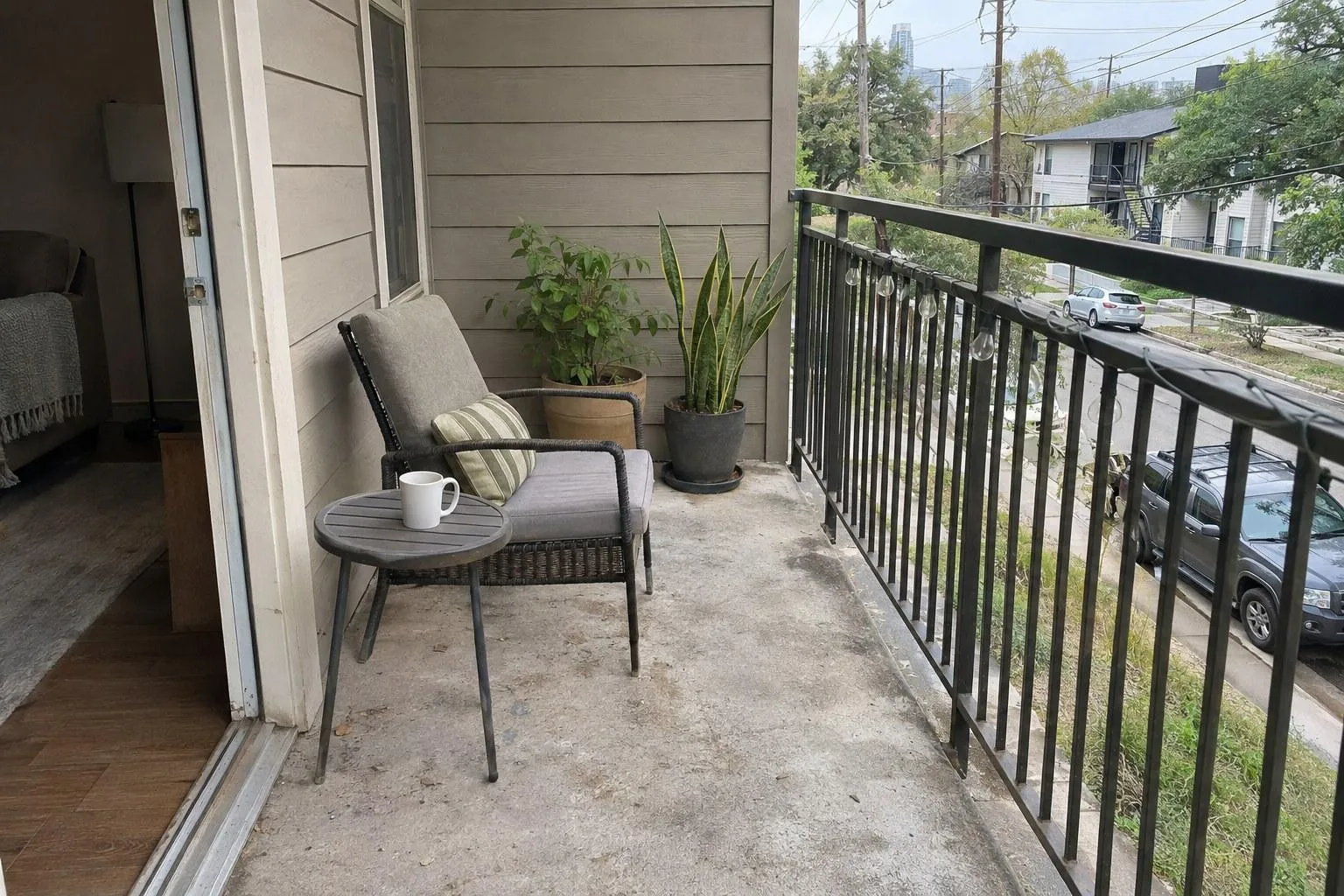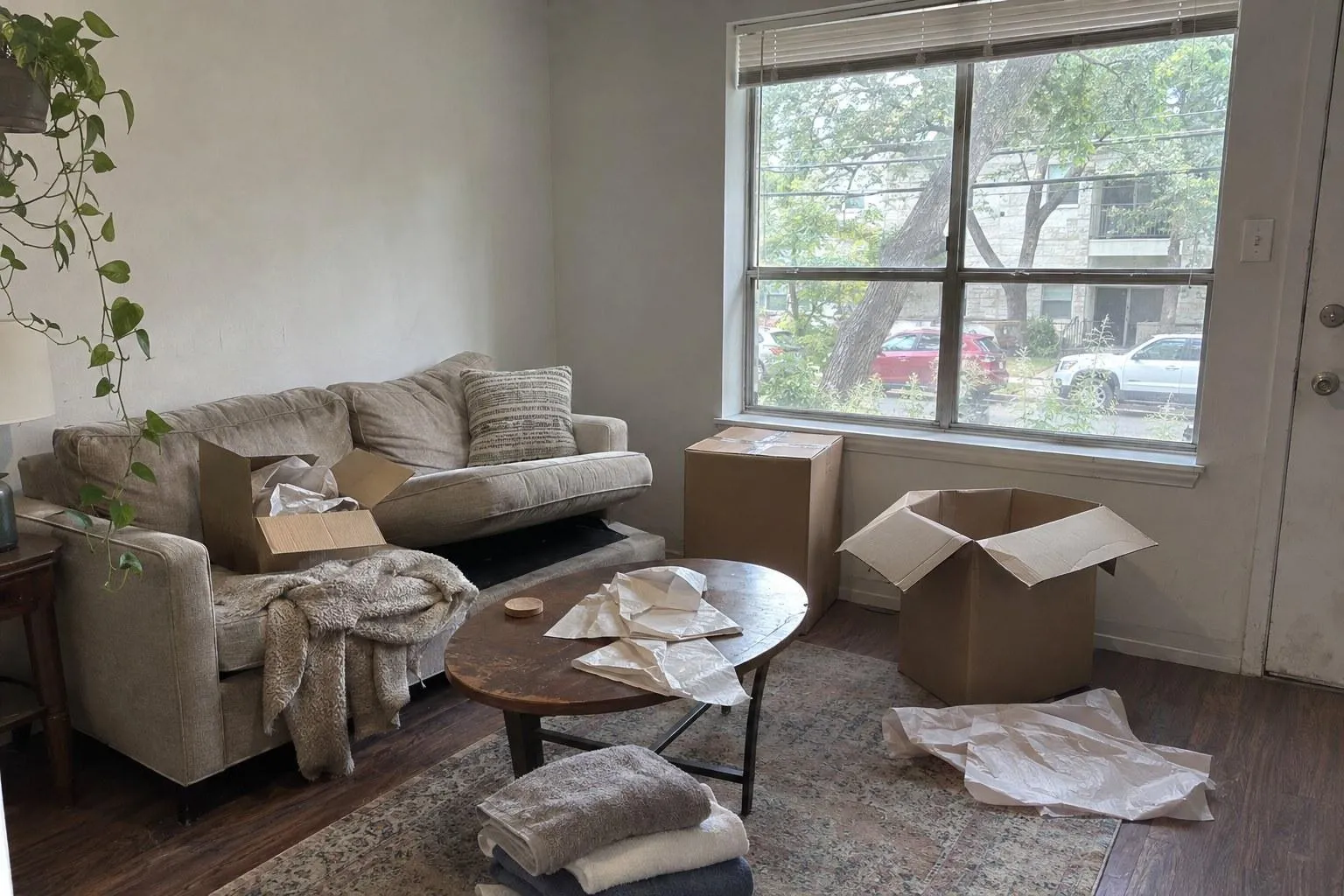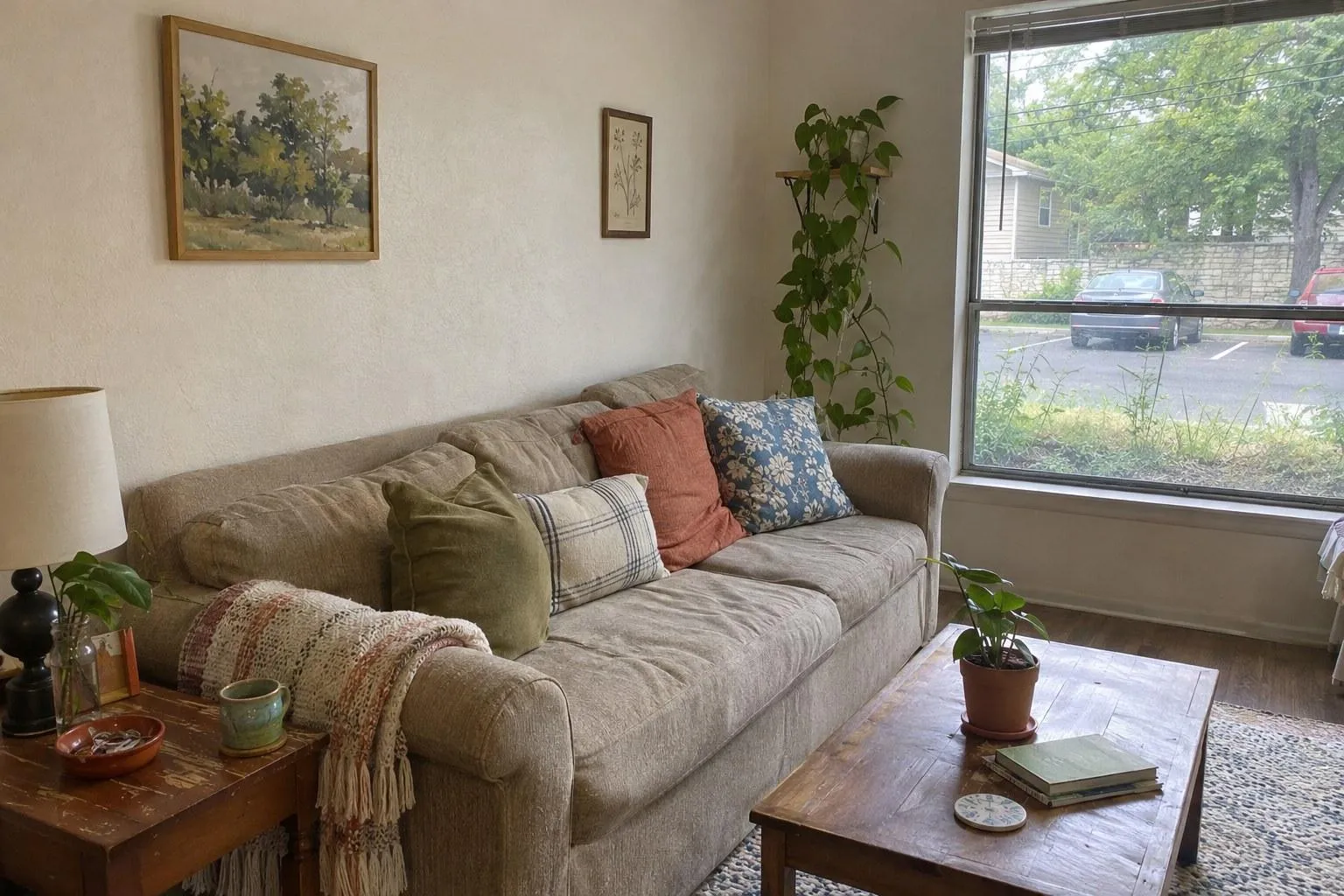
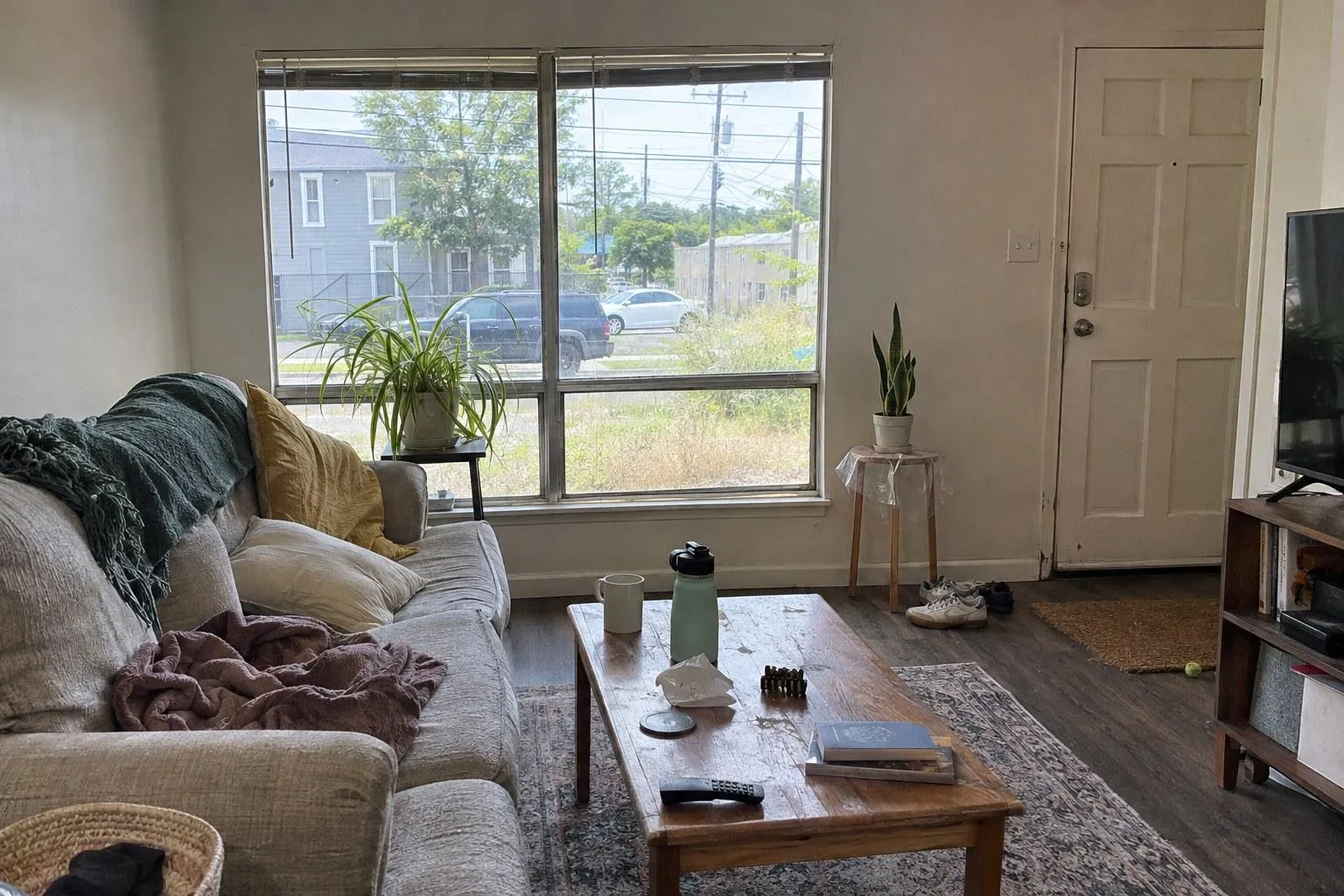
The best apartment plants fit the light you actually have and the care you can realistically give them. A sunny Austin address does not mean every room gets enough daylight, and a plant labeled easy can still struggle in the wrong corner. At One Place Locators, our TREC-licensed team helps renters compare layouts and everyday living needs from our Austin office on W St Johns Ave. When greenery is part of your move-in plan, window placement and usable floor space deserve a look during your search. Start with a few forgiving plants, then build a routine before adding more.
Looking for a place with room for your favorite greenery? Tell us what matters in your next apartment.
Key Takeaways
- Match each plant to the daylight in its actual spot, not just the direction your apartment faces.
- Snake plants, ZZ plants, pothos, and spider plants offer different options for light levels and watering habits.
- Use pots with drainage and empty collected water before putting them back on protected surfaces.
- Check the exact plant species for pet toxicity before bringing it home.
- Check your lease and ask your property manager before adding mounted shelves, hanging planters, or balcony attachments.
Choose Apartment Plants for Your Actual Window Light
Before buying anything, spend a day noticing where sunlight reaches your room. A window can look bright while a shelf across the room stays dim. Nearby buildings, overhangs, trees, screens, and blinds all affect the light available to a plant.
Tell Direct Sun From Bright Indirect Light
Direct sun falls onto the leaves without an obstruction. Bright indirect light is strong daylight without that direct beam. An east-facing window often offers gentler morning sun, while an unobstructed west-facing window can bring stronger afternoon exposure. The exact conditions still depend on what sits outside the glass.
Check the intended spot in the morning and afternoon rather than relying on a listing photo. If the only open shelf is far from a window, choose a more suitable spot or consider an appropriate grow light. Low-light tolerance is not the same as being able to live indefinitely in darkness.
Plan Around the Layout You Will Use
Measure the space left after your desk, bed, and seating are in place. A floor plant should not block a walking path, balcony door, or air vent. Small pots work well when your usable daylight is concentrated on one side table rather than spread across the room.
If you are comparing compact layouts, our explanation of studio apartment layouts can help you think through shared living and sleeping space. Keep the brightest usable spot in mind as you arrange furniture, instead of treating plants as the last item to squeeze in.
Four Easy Houseplants Worth Starting With
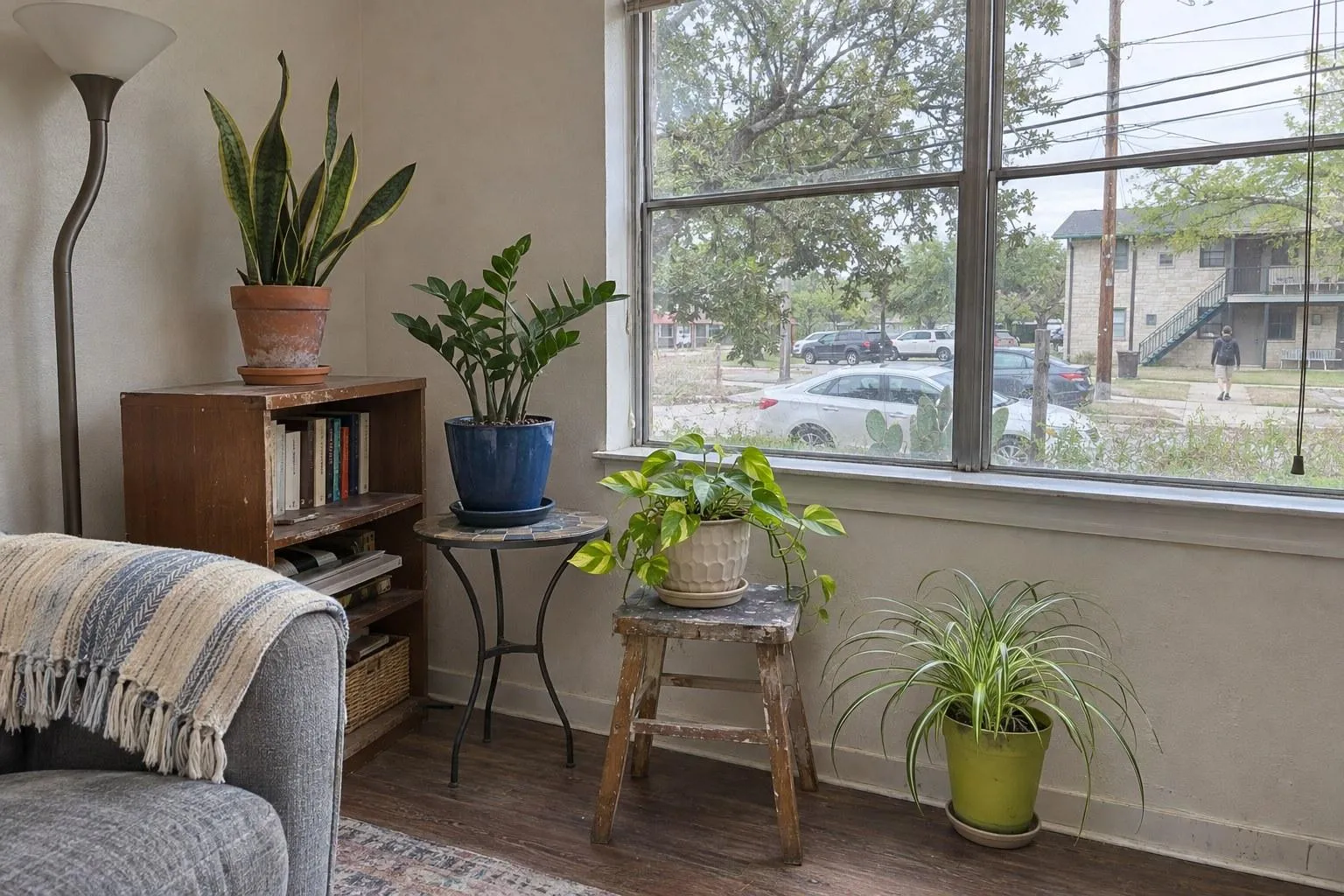
Easy care means fewer complicated demands, not no care at all. These common choices give you upright, trailing, and arching shapes without requiring a large collection. Choose by your room conditions first and appearance second.
| Plant | Useful light conditions | Watering approach | Space consideration |
|---|---|---|---|
| Snake plant | Indirect light; tolerates lower light | Let the potting mix dry between waterings | Upright leaves suit a narrow floor spot |
| ZZ plant | Indirect light; tolerates lower light | Let the potting mix dry thoroughly | Leave room for outward-growing stems |
| Golden pothos | Moderate to bright indirect light | Let the surface mix dry before checking deeper | Allow room for trailing stems |
| Spider plant | Bright indirect light | Let the surface mix dry slightly, then check moisture below | Arching leaves need space around the pot |
Snake Plants and ZZ Plants for Less Frequent Watering
Snake plants offer a vertical shape without a wide canopy. ZZ plants have glossy leaflets and thicker stems that spread as they grow. Both are useful choices if you tend to forget watering, but neither benefits from sitting in wet soil.
Texas A&M AgriLife horticulturists name dracaenas, the plant group that now includes snake plants, among their go-to low-maintenance houseplants. Lower light usually means slower growth, so do not respond to a quiet plant by adding extra water.
Pothos and Spider Plants for Shelves and Tables
Golden pothos can trail from a stable shelf, while a spider plant adds arching leaves to a table near daylight. Leave room for both to grow without catching on a chair or brushing a hot appliance. Check pet suitability before choosing either, and keep trailing stems away from curious animals.
Start with one or two plants rather than buying all four. That gives you time to learn how quickly the mix dries in your apartment and whether the spot stays practical during your normal routine.
Build a Watering Routine That Protects Your Rental
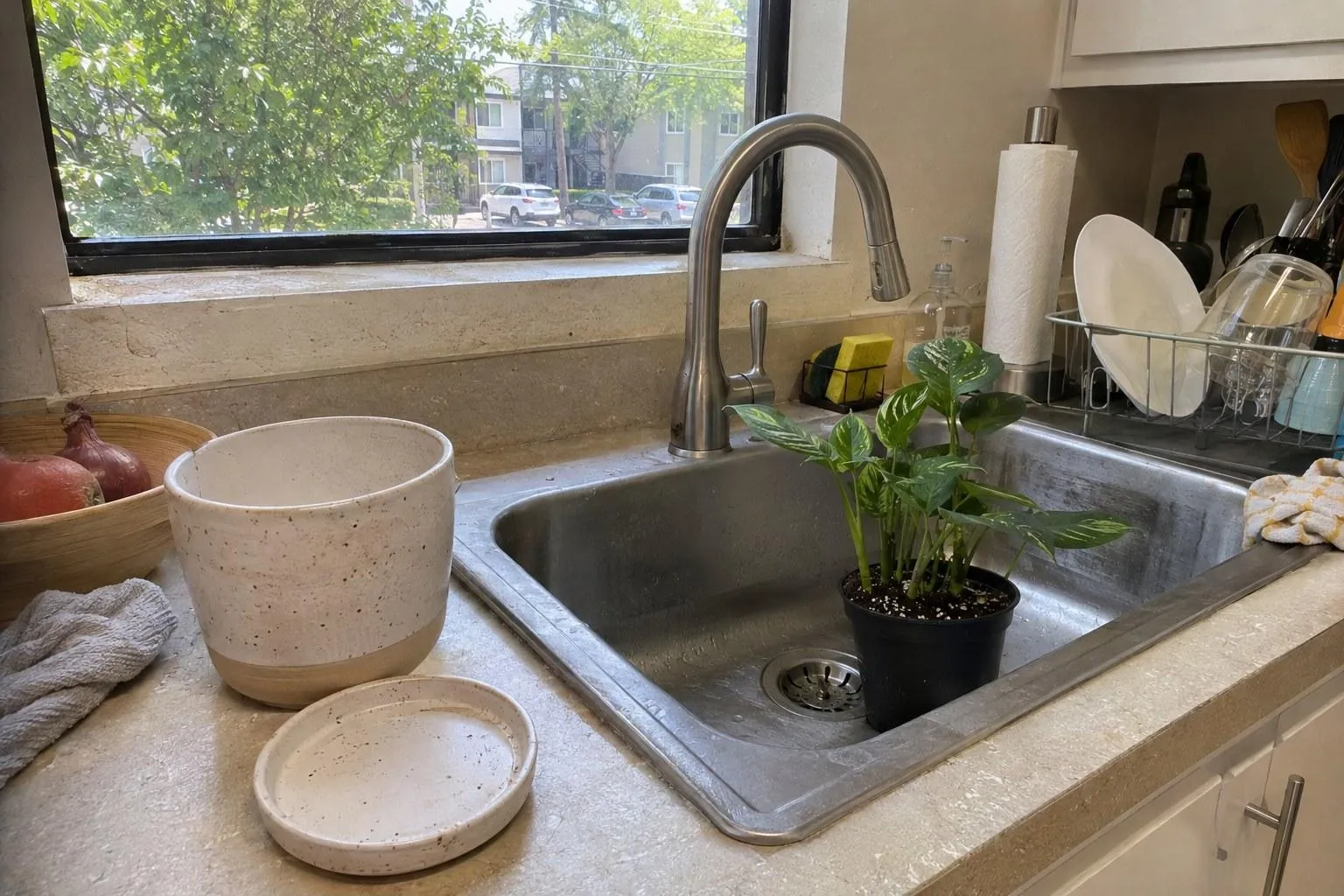
A fixed weekly watering day is convenient for you, but it may not match your plant. Pot size, potting mix, daylight, and indoor conditions all affect how quickly moisture disappears. Use a recurring reminder to check your plants, not an automatic instruction to water them.
Check the Mix Before Adding Water
Feel below the surface and compare the pot's weight with how it feels after watering. A dry top layer does not always mean the root area is dry, especially in a larger container. Follow the needs of the particular species rather than using the same threshold for every pot.
When watering is needed, move a manageable pot to the sink and water until excess can drain away. Let it finish dripping before returning it to its saucer or decorative container. Never leave roots standing in collected water.
Make Drainage Part of the Setup
A nursery pot with drainage holes inside a decorative outer pot is a practical starting point. Take the inner pot out for watering, then empty any water that collects in the outer container. Adding stones to a sealed pot does not replace a drainage outlet.
Use a waterproof tray and a protective barrier suited to the surface underneath. Check wood, laminate, and painted shelves for hidden moisture after watering. A pot that feels dry on the outside can still leave water trapped beneath it, so lift it periodically instead of assuming the saucer solves everything.
Comparing apartments with enough usable window space? Our team can help you narrow your search around the features you care about.
Keep Pet Safety Separate From Easy Care
A forgiving houseplant is not automatically an appropriate choice around pets. Common names can overlap, and two plants that look similar may have different toxicity concerns. Keep the nursery label or take a clear photo of the scientific name before buying.
Check the Exact Species Before Bringing It Home
The ASPCA lists spider plant, Chlorophytum comosum, as non-toxic to cats and dogs. It lists snake plant and golden pothos as toxic to cats and dogs. Verify each purchase using the ASPCA plant toxicity database, rather than trusting a broad pet-friendly label.
Non-toxic does not mean a plant is intended to be eaten. Chewing plant material can still cause stomach upset. Contact your veterinarian if you suspect an animal has eaten a concerning plant, and keep the plant identification available.
Think Beyond the Leaves
Check whether a pet can reach dangling stems, knock over a heavy pot, or dig into the soil. A high shelf is not a reliable barrier for an animal that climbs. Store fertilizers and pest treatments separately and follow their labels, including any pet precautions.
Plant selection and apartment selection are different checks. Our pet-friendly apartment search service can help with your housing search, but ask the property manager about current pet policies and your veterinarian about plant safety.
Handle Austin Heat and Occasional Freezes
Austin has hot summers and occasional winter freezes. Indoor plants have some protection from outdoor weather, but a sunny window, open balcony door, or direct air-conditioning vent can still create a difficult spot. Watch conditions around the pot rather than treating the thermostat reading as the whole picture.
Adjust Window Placement When Conditions Change
A plant that does well near a window in spring may receive harsher direct sun later. If leaves begin to scorch, reassess exposure and move the pot out of the strongest beam. Make changes thoughtfully rather than shifting the plant to a dark corner and watering more.
Keep leaves away from hot glass and direct heating or cooling airflow. Recheck soil moisture after a seasonal change, since your old watering rhythm may no longer fit. Browning leaves alone do not identify the cause; consider light, root moisture, and recent changes together.
Treat a Balcony as a Different Growing Space
A covered balcony can still receive intense sun, wind, and blowing rain. Do not move an indoor plant outside abruptly and assume it will adjust. Check the species' outdoor needs and introduce changed light gradually if outdoor placement is appropriate.
Have an indoor spot ready before a cold forecast. A tropical houseplant should not stay outside through a freeze just because the balcony has a roof. Check your lease and ask your property manager about balcony planters, water runoff, and attachments before setting anything up; keep walkways and doors clear.
Set Up Greenery Without Taking Over Your Space
You do not need a wall of plants to make a room feel more personal. One upright plant near a bright corner and one small tabletop pot can be enough. Leave room to open blinds, clean the window, and reach each container when it needs attention.
Use Stable Surfaces Before Considering Mounts
A freestanding stand or sturdy table lets you experiment with placement without installing hardware. Check that it can safely support the watered pot and that the base does not wobble. Keep heavy containers away from edges and avoid routing grow-light cords across walking paths.
If you want a hanging planter or mounted shelf, check your lease and ask your property manager before drilling or attaching anything. Do not assume adhesive hooks are suitable for a watered planter or harmless to the wall. A smaller plant on an existing surface is often the simpler choice.
Make Plant Space Part of Your Apartment Tour
During an apartment tour, look at the specific unit's windows and nearby obstructions. A model unit's daylight may not match the apartment offered to you. Ask about the actual layout, then picture where your furniture and plants would sit together.
Add plant supplies to your apartment move-in checklist, including trays, surface protection, and a place to unpack pots safely. Once settled, inspect new leaves and the soil regularly for pests. Isolate a plant that appears affected and identify the problem before applying a treatment.
Ready to compare apartments that fit your daily routine and your space needs? Let us help you put together a shortlist.
About One Place Locators
One Place Locators is a TREC-licensed apartment locating team serving Austin and surrounding cities. Founded by Anna Barber, Jess Rodriguez, and Michelle Morgan, we help renters compare apartments based on budget, location, layout, and everyday priorities. That includes noticing practical details such as usable windows and room for the belongings you want to bring. Our apartment locating service is free to renters because property owners pay us when you lease. Tell us what matters so we can help focus your search.
Frequently Asked Questions
What are the easiest apartment plants for a beginner?
Snake plants and ZZ plants are useful starting points if you need plants that tolerate drying out between waterings. Golden pothos and spider plants offer different shapes for brighter indirect light. Choose the plant that matches your actual window conditions, and check its pet toxicity before bringing it home.
Can a houseplant survive in a room without windows?
Low-light tolerance does not mean a plant can grow without light. A windowless room generally needs an appropriate artificial light source for long-term plant growth. If you do not want to manage that setup, put your live plant closer to suitable daylight and use nonliving decor in the darker room.
How often should I water indoor plants in Austin?
There is no single Austin watering schedule that works for every indoor plant. Check the potting mix and the needs of your species before watering. A small pot near a bright window can dry differently from a larger one in lower light, even when both sit in the same apartment.
Which of these houseplants is non-toxic to cats and dogs?
Confirm the exact species when shopping, since common names can be confusing. Even non-toxic plant material can upset a pet's stomach, so discourage chewing and ask your veterinarian about any suspected ingestion or symptoms.
Can I keep an indoor plant on my Austin balcony?
Possibly, but choose based on that plant's light and temperature needs, not its indoor popularity. Austin balconies can expose pots to strong summer sun, wind, and occasional freezes. Check your lease and ask your property manager about placement and runoff, and have an indoor location ready before cold weather arrives.
Do I need to repot a new houseplant immediately?
Not necessarily. First check its health, drainage, and root space rather than repotting only to match your decor. A nursery pot inside a decorative outer container may work well while you learn its care needs. If repotting is needed, use a suitable potting mix and a container with drainage.
Choosing apartment plants gets easier when you know your light, your available space, and the care routine you can maintain. If you are also looking for your next Austin rental, call (512) 503-4355 or reach out online. Our offices are at 811 W St Johns Ave, Austin, TX 78752 and 1900 E Howard Lane, Suite A6, Pflugerville, TX 78660, and we can help you compare apartments with your everyday priorities in mind.
Ready to Get Started with One Place Locators?
Tell us what you want in your next apartment, from location to usable living space. Call (512) 503-4355 to talk with our team about your search.