

Figuring out how much you can comfortably spend on rent is one of the biggest decisions you’ll make when searching for a place to live. Housing expenses often claim a significant portion of your monthly budget, so it’s vital to have a clear plan before you sign a lease.
A popular guideline in real estate is the “ 3 Times the Rent Rule ,” which helps renters understand what they can realistically manage.
This guide will break down that rule and outline essential budgeting strategies. You’ll learn how to avoid overspending , remain flexible when unexpected expenses arise , and approach your apartment hunt with confidence .
Understanding the 3 Times the Rent Rule
The 3 Times the Rent Rule is an easy formula many landlords and property managers use to determine rental eligibility. It suggests that your gross monthly income should be at least three times the monthly rent amount . This measure gives you (and your landlord) assurance that you can handle rent along with your other bills.
For example, if you plan to rent an apartment costing $1,200 per month , you would want to earn at least $3,600 per month in gross income. Although this number may seem high, it’s not meant to drain your finances. It’s simply a benchmark that can help you avoid signing up for a lease beyond your means.
Where Did This Rule Come From?
This general rule has historical roots in property management. Landlords used it as a quick method to screen applicants and reduce the risk of defaults . Over time, the formula stuck because it’s simple and easy to calculate .
While it’s still widely used, not every landlord applies it strictly. Some require a slightly higher ratio, such as 3.5 times the rent. Others might focus on your credit score or other factors instead.
Determining How Much Rent You Can Afford
If you’re asking yourself, “ How much rent can I afford ?” there’s more to consider than just the 3 Times the Rent Rule.
You want to factor in total debt, savings goals, and how much you spend on daily and monthly essentials. The ideal rent amount should allow you to maintain your chosen lifestyle without living paycheck to paycheck .
Below are some steps to help you figure out your personal rent budget:
- Track Your Net Monthly Income: Your net monthly income is what you take home after taxes and other deductions. You might see a higher figure on your job offer letter or pay stub, but that’s likely the gross amount. Focus on what actually hits your bank account each pay period. If you have multiple income sources, add them all up to get an accurate picture.
- List Your Fixed Expenses: Fixed expenses include payments that remain about the same each month. Examples include car payments , student loans , insurance premiums , and subscription services . These are often non-negotiable and need to be paid on time. By listing your fixed expenses, you’ll see how much of your income is already allocated.
- Identify Variable Expenses: Variable expenses fluctuate. They can include groceries , gas , entertainment , dining out , and other personal costs . Although these are more flexible, they still affect your monthly budget. Reviewing the average you spend on these costs can highlight areas where you might cut back if necessary.
- Set Savings Goals: Rent isn’t your only financial priority. Think about what you want to save each month, whether it’s building an emergency fund or setting aside money for future goals like travel or starting a business. If these savings targets are important, include them in your monthly plan.
- Allocate Funds for Rent: After subtracting your expenses and savings from your monthly income, the remainder is what you have available for rent and utilities. This figure should fall into a range that feels comfortable. If it’s lower than you expected, see if you can adjust other costs or look for more affordable rental options.
Combining these steps with the 3 Times the Rent Rule can offer a balanced look at your finances. You’ll know if you’re stretching too thin or if you have room to spare.
What is the 30% Rule?
Some financial experts suggest spending about 30% of your monthly income on housing . This guideline operates similarly to the 3 Times the Rent Rule but looks at your personal budget instead of landlord requirements. If your monthly gross income is $3,000 , you’d aim to spend no more than $900 on rent .
You might compare this 30% guideline to your real-life numbers and find you’re spending more or less. That doesn’t necessarily mean you’re in trouble. Some people prioritize living in a more expensive neighborhood close to work, and they’re willing to reduce spending on entertainment or other luxuries. Others prefer to live farther from city centers to keep rent low and maintain a comfortable budget.
Instead of viewing the 30% guideline as a strict limit, use it as a reference point . Combine it with your unique financial circumstances so you can see how different rent amounts fit into your lifestyle.
Challenges to the 3 Times the Rent Rule
While the 3 Times the Rent Rule is helpful, it can feel restrictive. For instance, young professionals or college students may be starting with a lower income. People who freelance or work multiple jobs might have fluctuating monthly earnings. In these situations, it’s important to consider additional factors:
- Credit Score : A strong credit score could help you qualify for an apartment even if your income falls short of the 3x requirement. Good credit indicates you’re reliable with payments, which might give landlords more confidence.
- Guarantors or Co-Signers: Having a guarantor or co-signer is a common tactic to meet strict income rules. If you have a family member or close friend willing to back you, their income and credit might satisfy the requirements.
- Rental History and References : Some landlords weigh rental history or references as heavily as income. If you can show a pattern of on-time payments and responsible behavior, it could ease concerns about an income ratio that’s a bit lower than 3x.
- Negotiating the Rent: If your landlord is independent or more flexible, you might negotiate a lower monthly rate. You could also discuss paying a few months in advance if you have the savings. This option can be risky, because you’ll tie up cash that might be needed for other expenses. Still, it can help you qualify for the lease if your income is borderline.
Balancing Rent with Total Debt
A heavy debt load makes it harder to handle monthly bills . When deciding how much rent you can manage, look at your debt-to-income ratio. This figure compares your monthly debt payments to your gross monthly income. A lower ratio means you have more wiggle room to pay rent and other costs.
Credit card debt, student loans, car loans, and personal loans all influence what you can afford. Even if a landlord accepts your application, consider your own financial comfort.
Living with constant money stress can limit your ability to handle emergencies. Reducing debt before taking on higher rent payments can free up funds in the long run .
Tips to Save on Rent

If you’re finding rent prices high in your desired area, these strategies might help you keep housing costs in check .
- Consider Roommates: Splitting rent and utilities with roommates can dramatically lower your monthly housing cost. It’s a quick way to save, although it requires shared living space. If you’re comfortable with that, it can create room in your budget for other priorities.
- Look for Move-In Specials: Some apartment complexes offer discounts for new tenants. These deals might include a free month’s rent or reduced security deposits. Carefully read the lease terms to make sure the offer is worth it.
- Expand Your Search Area: If living in the heart of a city is out of reach, consider neighborhoods on the outskirts. You might find bigger apartments or lower rent if you’re willing to commute a bit. Factor in transportation costs to ensure you’re not trading high rent for heavy gas or public transit expenses.
- Negotiate Lease Terms: In competitive markets, landlords may be less willing to negotiate. However, in areas with less demand, you might be able to get a lower rate. You can also try negotiating things like parking fees or pet rent . Some landlords prefer renting quickly and keeping a good tenant, so they may be open to small discounts.
- Use Referral Programs: Many apartment communities reward current residents for referring new tenants. If you know someone already living in a building you like, see if they’ll refer you. This approach can result in cash back or reduced monthly costs.
Accounting for Utilities and Other Hidden Costs
When planning your budget, remember that rent is just the beginning. You’ll also need to cover:
- Utilities (electricity, water, gas, internet)
- Parking or garage fees
- Laundry (if not included in your unit)
- Renter’s insurance
These additional items can raise your total housing cost by a few hundred dollars. Some apartment complexes bundle utilities into the rent, while others make you pay separately. This can be beneficial or not, depending on how much energy you typically use.
Ask potential landlords for estimates on utility bills so you aren’t caught off guard. You should also confirm if your parking spot is included in the rent or if it’s billed separately.
Planning for Rent Increases
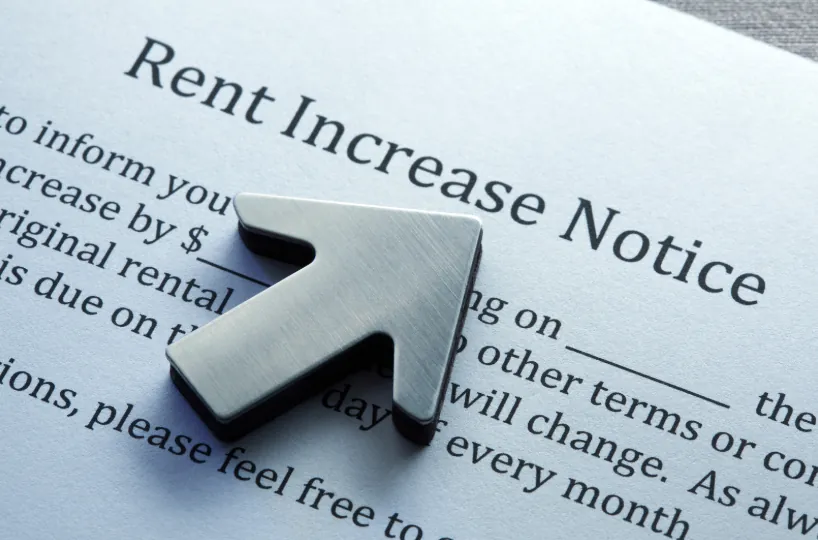
Rent can increase every time you renew your lease . In some places, there might be limits on how much landlords can raise it each year, but these rules vary by location. It’s a good idea to leave a little room in your budget to handle a potential increase. If you’re already at the top of your budget range, a rent hike could force you to relocate unexpectedly.
One way to guard against large spikes is to sign a longer lease at a rate you can manage. Some landlords offer a more stable monthly amount if you commit for a longer term.
Make sure you’re comfortable staying in the apartment for that period. If your personal or professional situation is likely to change, you may not want to lock in a long lease.
Steps to Strengthen Your Rental Application
When you’ve found an apartment that suits your budget and needs, it’s time to apply. Landlords or management companies often ask for:
- Proof of Income (pay stubs, bank statements, or tax returns)
- Rental History (previous addresses and landlord references)
- Credit Check (authorized by you through a credit report)
- Background Check (criminal record, if applicable)
- Photo ID
Being prepared with these documents can speed up the application process. If you anticipate concerns about your income or credit, consider writing a brief cover letter to clarify your situation. Mention positive payment history or additional assets that show you’re a reliable tenant.
Making Smart Financial Decisions
Renting is a major financial responsibility. It affects what you can spend on your hobbies, future goals, and day-to-day living expenses. Whether you stick closely to the 3 Times the Rent Rule or adapt it to fit your situation, the key is to approach the process with realistic expectations.
- Create a detailed budget before you even start looking.
- Make sure you have some wiggle room for unexpected costs.
- Assess your current and future career plans . Will your income likely increase or remain stable?
- T hink about which amenities are nice-to-have versus must-haves .
These considerations keep you from committing to an apartment that feels unaffordable once you’ve moved in.
Discover How One Place Locators Can Help

Knowing how much you can spend on rent is more than a math problem. It’s a balanced look at your entire financial picture, future goals, and the lifestyle you want to maintain. The 3 Times the Rent Rule is a quick way to gauge affordability, but don’t forget about nuances like monthly bills, debt, and lifestyle preferences.
Still feeling overwhelmed about finding the right apartment? Our team at One Place Locators can make your search easier. We help you navigate listings in your price range, schedule property tours, and iron out the details of your lease. Our guidance can streamline your apartment hunt and connect you with a rental that truly matches your needs.
Reach out to our agents at One Place Locators to get started on your apartment search.