

Moving into your first apartment in Texas can feel overwhelming, especially when you're learning a rental market from scratch. From setting a realistic budget to understanding what a lease actually commits you to, first-time renters face a long list of decisions that shape the next twelve months of their lives. Central Texas alone offers everything from Austin's urban core to fast-growing suburbs like Round Rock, Cedar Park and Georgetown, each with its own inventory, pricing and application standards.
The Texas rental landscape has shifted considerably in recent years. A wave of new apartment construction, changing demand and steady in-migration have all affected what renters pay and how quickly units come off the market. Conditions can differ street by street, which makes preparation far more useful than assumptions about "what rent costs" in a given city.
Whether you are signing your very first lease or renting for the first time since moving to Texas, understanding how the process works here will save you time, money and stress.
This guide covers eleven essential tips to help you navigate your first Texas apartment rental, from financial preparation through move-in day. One note before we start: everything below is general information to help you prepare. It is not legal advice, and it is not a substitute for reading your own lease or speaking with an attorney about your specific situation.
1. Understanding Your Budget and Financial Requirements
Before you start browsing apartment listings, setting a realistic budget is the single most useful thing you can do. A common guideline is the 30% rule, where your monthly rent stays at or below 30% of your gross monthly income. In tighter Austin-area submarkets, some renters stretch toward 35%, but the further you push past that line, the less room you leave for everything else.
Beyond monthly rent, first-time renters often misjudge upfront costs, and usually in the wrong direction. Security deposits at Texas apartment communities are typically much smaller than people expect. Many communities ask for a few hundred dollars rather than a full month's rent, and reduced or waived deposits are common as move-in specials. What you are quoted depends on the community and your application, so confirm the exact amount in writing before you apply.
Here is what to actually plan for: first month's rent, an application fee (commonly $50–$150 per applicant), an administrative or lease-preparation fee, and the deposit. For a $1,500 apartment, that often lands closer to $2,000–$2,500 in total rather than the four- or five-thousand-dollar figure many renters brace themselves for. Ask the leasing office for an itemized list of every move-in charge so nothing turns up as a surprise at signing.
Then account for ongoing expenses: renters insurance at roughly $15–$25 per month, utilities averaging $100–$200 monthly depending on unit size and season, and pet rent or pet fees if applicable. Building all of this into one number tells you what you can genuinely afford across a full lease term, not just on move-in day.
2. Researching Texas-Specific Rental Laws and Tenant Rights
Some parts of renting work differently in Texas than in other states, and it is worth knowing the basics before you sign anything. Texas has no rent control, so there is no statewide cap on how much rent can increase at renewal. Your lease term is what locks in your rate for its duration, which is one reason the length of the lease you choose matters as much as the monthly figure.
Deposits, repair obligations, notice periods and move-out procedures are all addressed in the Texas Property Code, primarily in Chapter 92, which covers residential tenancies. When a specific question comes up, go to the source rather than relying on summaries, including this one.
Reliable places to start: the Texas Property Code itself, the Office of the Texas Attorney General's tenant information pages, TexasLawHelp.org, and the Texas Apartment Association. If you have an active dispute, or a question about what a particular clause in your lease means for you, a licensed attorney is the right person to ask. No locator, leasing agent or blog post can fill that role.
Where a locator does help is the practical side of the process: knowing what to look for in a lease before you sign, understanding how a specific community handles fees, renewals and move-out inspections, and knowing where the official resources live. If you want a second set of eyes on your options before you commit, One Place Locators is happy to walk through them with you.
3. Building Your Rental Application Portfolio
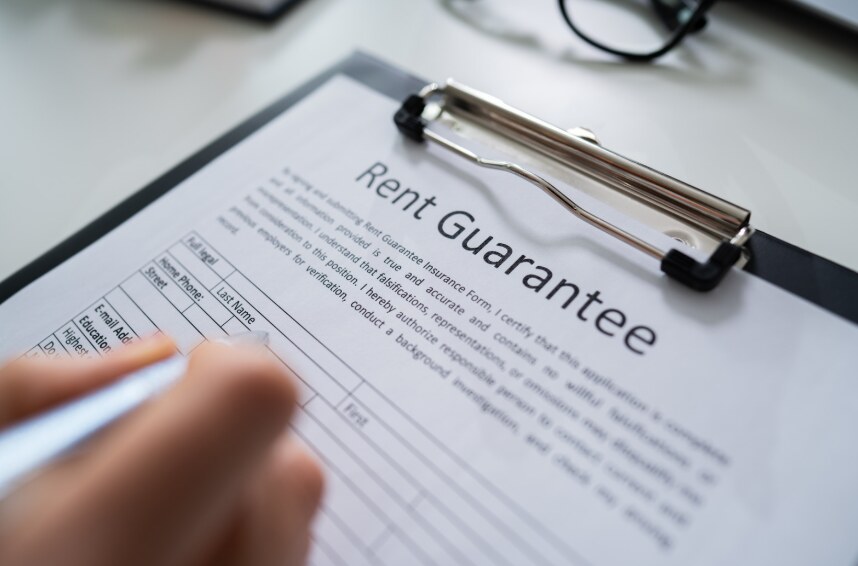
Creating a strong rental application portfolio significantly improves your chances of securing your desired apartment, especially in competitive markets. Start by obtaining your credit report from all three major bureaus and addressing any errors or outstanding debts that could negatively impact your score. Most Texas landlords prefer credit scores above 650, though some may accept lower scores with additional deposits or co-signers.
Gather essential documents including recent pay stubs covering the last 2-3 months, bank statements showing sufficient savings, employment verification letter, and previous rental references if available. First-time renters without rental history should provide character references from employers, teachers, or community leaders who can vouch for their responsibility and reliability.
Professional presentation matters when competing against other applicants. Organize documents in a clean folder or digital format, write a brief cover letter introducing yourself and highlighting positive attributes, and be prepared to provide additional information promptly. Sarah Martinez, a recent University of Texas graduate, credits her well-organized application portfolio with securing her first Austin apartment within two weeks despite having no rental history.
4. Choosing the Right Location and Neighborhood
Location shapes your daily routine more than almost any other decision in the search. Work through the practical questions first: how long is the commute at the hours you actually travel, what does parking look like, is there transit nearby if you need it, and how far is the nearest grocery store or pharmacy. Visit at different times of day and on different days of the week so you are judging an area on your own observations rather than a single afternoon tour.
Around Austin, the core trade-off is usually distance against space and price. Units closer to the urban core generally cost more per square foot and put more within walking distance. Suburbs such as Round Rock, Cedar Park, Leander, Georgetown and Kyle tend to offer newer construction and more square footage for the same budget, in exchange for a longer drive. Decide which of those you can live with day to day before you start touring, because it narrows the list quickly.
Beyond that, the research is yours to do, and that is by design. As TREC-licensed agents, we do not rate, rank or characterise neighborhoods for clients. Fair housing rules exist so that where a renter chooses to live stays entirely their own decision, and we take that seriously. What we can tell you is that a great deal of public information is available and worth using: city and county websites, school district data, transit maps and municipal open-data portals are all published openly. Nothing replaces walking an area yourself at the hours you would actually be coming and going. Our overview of neighborhoods in Austin for first-time renters lays out what different parts of the city offer and is a useful starting point for building your own shortlist.
5. Inspecting Properties Thoroughly
A comprehensive property inspection protects you from future disputes and unexpected expenses. Create a systematic approach to evaluate each potential apartment, checking all appliances, plumbing fixtures, electrical outlets, windows, doors, and storage spaces. Document any existing damage with photos and written notes, ensuring the landlord acknowledges these issues before signing the lease.
Pay special attention to common problem areas in Texas apartments, including air conditioning systems, which are essential for surviving hot summers, and plumbing, particularly in older buildings. Test water pressure in all faucets and showers, check for signs of water damage or mold, and ensure heating and cooling systems function properly. Don't hesitate to ask about the age of major appliances and recent maintenance records.
During your inspection, evaluate the property's overall maintenance and management quality. Well-maintained common areas, prompt responses to questions, and professional staff interactions often indicate good property management. Poor maintenance in visible areas may suggest underlying issues with major systems or unresponsive management when problems arise after moving in.

6. Understanding Lease Terms and Negotiations
Texas lease agreements can vary significantly between properties and management companies, making careful review essential. Standard lease terms typically range from 6-15 months, with 12-month leases being most common. Shorter leases often carry premium pricing, while longer commitments may offer modest discounts. Consider your long-term plans when selecting lease duration, as breaking leases early can result in substantial penalties.
Key lease provisions to review carefully include rent payment policies, late fees, maintenance responsibilities, pet policies, and guest restrictions. Texas law allows landlords to charge reasonable late fees, typically $25-50 or 5-10% of monthly rent. Understanding these charges upfront helps you budget accordingly and avoid unnecessary expenses.
Don't assume lease terms are non-negotiable, especially in slower rental markets or when dealing with individual landlords. Potential negotiation points include security deposit amounts, pet fees, included utilities, or minor property improvements. Professional apartment locators, such as those at One Place Locators, often have established relationships with properties that can facilitate negotiations and provide insights into flexible landlords.
7. Preparing for the Application Process
The apartment application process in competitive Texas markets requires speed and preparation. Popular properties may receive multiple applications within hours of listing, making quick response times crucial. Have all required documents readily available in digital format for immediate submission, and be prepared to provide additional information or references promptly.
Application fees are standard practice in Texas, typically ranging from $50-150 per application. Budget for multiple applications if you're applying to several properties, as these fees are generally non-refundable regardless of approval status. Some properties may waive application fees during promotional periods or for well-qualified applicants.
Consider applying with a guarantor or co-signer if your credit score, income, or rental history doesn't meet property requirements. Texas law allows landlords to require co-signers, who become legally responsible for lease obligations if you default. Ensure co-signers understand their responsibilities and have adequate income and credit scores to meet landlord requirements, typically 3-4 times the monthly rent in combined income.
8. Setting Up Utilities and Essential Services
Utility setup in Texas requires advance planning due to the state's deregulated energy market. Research electricity providers in your area, as rates and plans vary significantly between companies. Compare fixed-rate versus variable-rate plans, considering your budget preferences and risk tolerance. Fixed-rate plans provide predictable monthly costs, while variable rates may offer initial savings but can fluctuate with market conditions.
Essential utilities to arrange include:
- Electricity (through your chosen retail electric provider)
- Natural gas (if applicable)
- Water and sewer (typically through municipal services)
- Internet and cable services
- Trash and recycling collection
Contact utility companies 1-2 weeks before your move-in date to schedule service activation. Some providers require security deposits for new customers, particularly those with limited credit history. Budget $200-500 for utility deposits and connection fees, though many companies waive these charges for customers with good credit scores.
Internet service selection impacts both work-from-home capabilities and entertainment options. Research available providers in your specific building or neighborhood, as options can vary significantly even within the same city. Consider data caps, upload speeds for video calls, and contract requirements when comparing plans.

9. Planning Your Move-In Process
Successful move-in preparation starts weeks before your lease begins. Create a comprehensive timeline that includes utility setup, address changes, moving company research, and packing schedules. Texas summers can be particularly challenging for moving, with temperatures exceeding 100°F, so plan accordingly with early morning moves and adequate hydration for helpers.
Change your address with the postal service, banks, employers, insurance companies, and subscription services at least two weeks before moving. Register to vote in your new precinct and update your driver's license within 30 days of establishing Texas residency, as required by state law. Delay in updating your driver's license can result in fines and complications with vehicle registration.
Coordinate move-in logistics with your new property management office, confirming key pickup times, parking availability for moving trucks, and any building restrictions for large furniture items. Many Texas apartment complexes have specific moving policies, including designated elevator hours and requirements for protecting common areas during moves.
10. Maintaining Your Rental Relationship
Building positive relationships with property management and neighbors contributes to a better rental experience and can benefit future rental applications. Communicate professionally and promptly with management regarding maintenance requests, using written communication methods like email or online portals to maintain records. Respond quickly to management communications and follow community rules regarding noise, parking, and common area usage.
Document maintenance requests and follow up appropriately if issues aren't addressed within reasonable timeframes. Texas law requires landlords to make repairs within a reasonable time, typically 7-30 days depending on the issue's severity. Keep records of all communications and consider Texas tenant rights resources if serious habitability issues arise.
Develop good relationships with neighbors through courteous behavior and community involvement. Many Texas apartment complexes host resident events and activities that provide opportunities to meet neighbors and build community connections. These relationships can provide valuable support, from package acceptance to emergency contacts, while contributing to overall rental satisfaction.
For first-time renters seeking professional guidance throughout this process, how to rent an apartment as a first-time renter in Austin, TX offers detailed insights specific to the Austin market, while similar principles apply throughout Texas.
11. Protecting Yourself with Renters Insurance
Many first-time renters overlook renters insurance, but it's one of the most important safeguards you can have. While your landlord's insurance covers the building itself, it does not cover your personal belongings or liability if someone gets injured in your apartment.

In Texas, renters insurance typically costs between $15–25 per month, offering protection against fire, theft, vandalism, and certain natural disasters. Many policies also include "loss of use" coverage, which helps cover temporary living expenses if your apartment becomes uninhabitable.
Some landlords require proof of renters insurance before move-in, but even if yours doesn't, it's still worth getting. Shop around for quotes, review coverage limits carefully, and consider bundling with your auto insurance to lower costs. For first-time apartment renters, having renters insurance ensures your belongings and finances are properly protected.
Frequently Asked Questions
What credit score do I need to rent an apartment in Texas?
Most Texas landlords prefer credit scores of 650 or higher, though requirements vary by property and market conditions. Scores between 580-649 may require higher security deposits or co-signers, while scores below 580 often need guarantors or alternative qualification methods. Some properties offer credit-building programs for renters with limited credit history.
How much should I budget for move-in costs in Texas?
Plan for 2.5-3.5 times your monthly rent in upfront costs, including security deposit, first month's rent, application fees, and utility deposits. For a $1,500 monthly rental, budget $3,750-5,250 for move-in expenses. Additional costs may include moving services, renters insurance, and immediate household necessities.
Can landlords raise rent during my lease term in Texas?
Texas law prohibits rent increases during fixed-term leases unless specifically stated in the lease agreement. However, landlords can increase rent upon lease renewal with proper notice, typically 30 days for month-to-month leases. Texas has no rent control laws limiting increased amounts.
What happens if I need to break my lease early in Texas?
Early lease termination typically results in penalties outlined in your lease agreement, often 1-2 months' rent or forfeiture of security deposits. Texas law provides some protections for military deployment, domestic violence situations, or uninhabitable conditions, but voluntary early termination usually incurs financial penalties.
Do I need renters insurance in Texas?
While Texas law doesn't require renters insurance, most landlords mandate coverage as a lease requirement. Renters insurance typically costs $15-25 monthly and covers personal property, liability protection, and additional living expenses if your apartment becomes uninhabitable due to covered damages.
Let One Place Locators Help You Secure Your First Apartment
Successfully renting your first apartment in Texas requires careful preparation, thorough research, and understanding of state-specific rental laws and market conditions. From establishing a realistic budget that accounts for all move-in costs to building strong rental applications and maintaining positive landlord relationships, these eleven essential tips provide the foundation for a successful rental experience.
Remember that the Texas rental market varies significantly between cities and neighborhoods, making location-specific research crucial for finding the right fit for your lifestyle and budget. By following these guidelines and seeking professional assistance when needed, you'll be well-equipped to navigate the Texas rental market confidently and secure an apartment that meets your needs while protecting your interests as a tenant.
About One Place Locators
One Place Locators specializes in apartment locating services with over a decade of experience helping first-time renters navigate the complex Texas housing market. We provide comprehensive apartment locating services including market analysis, property matching, and lease negotiation support specifically designed for renters new to the Texas market.
Our team of certified apartment locators combines extensive knowledge of Texas rental laws with detailed insights into local neighborhoods, pricing trends, and property management companies across major metropolitan areas. Our services include personalized apartment searches based on your specific criteria, rental application guidance to strengthen your candidacy, and ongoing support throughout the leasing process.
We maintain relationships with hundreds of apartment communities throughout Texas, enabling us to access exclusive deals, waived fees, and priority application processing that individual renters cannot obtain independently. Our expertise extends to understanding first-time renter challenges, from credit score optimization to co-signer alternatives, ensuring clients receive tailored solutions for their unique situations.
Contact One Place Locators today at (737) 530-9067 to discuss how our apartment locating expertise can help you find the perfect first rental in Texas. Schedule a consultation to learn more about our comprehensive rental services and how we've helped thousands of clients achieve successful rental experiences throughout the Lone Star State.