

If you’re wondering about the age you need to be to rent an apartment, you’re in the right place.
In most states, you must be at least 18 years old to sign a lease .
But are there ways for those under 18 to get their own place? This topic can be confusing for first-time renters , especially when dealing with legal age requirements and exceptions. Getting this right is key to understanding the complex world of renting.
What Are Some Legal Considerations for Renting at a Young Age?
Renting at a young age involves navigating various legal factors. Becoming a legal adult is pivotal, but there are specifics to consider like state laws and options outside the typical legal framework.
The Age of Majority
The age of majority typically signifies when you are legally recognized as an adult, and in most U.S. states, this age is set at 18, and the same goes for Texas.
At this age, you can independently enter binding contracts, such as rental agreements, without needing parental consent. This transition marks your legal ability to make financial commitments and handle legal responsibilities on your own.
However, turning 18 doesn’t automatically guarantee rental approval. Many landlords still require verification of income and a credit history . They want assurance of your capacity to pay rent and handle other financial obligations tied to the rental agreement. Even as a legal adult, these economic proofs are often necessary.
State-Specific Legal Age Requirements
While 18 is common, some places have different rules. For instance, Alabama and Nebraska have set the age of majority at 19. This means in these states, you might encounter extra hurdles if you’re renting under 19 since you’d still be considered a minor.
When renting under these conditions, landlords might require a co-signer to act as a guarantor for the lease. This co-signer, often a parent or guardian, agrees to take on the financial obligations if you fail to meet them. Each state may also have specific tenant laws impacting your eligibility.
The Role of Emancipation
Emancipation offers another avenue. As an emancipated minor, you’re legally given adult status before reaching the standard age of majority. This court-granted status allows you to live independently, manage your finances, and enter contracts on your own.
To become emancipated, you usually need to demonstrate the ability to support yourself financially and live independently. If achieved, this status permits renting an apartment at 16 or 17, providing a legal bridge to adulthood. Without this step, parental consent remains crucial for those under 18 venturing into renting without reaching legal adulthood.
Financial and Legal Responsibility
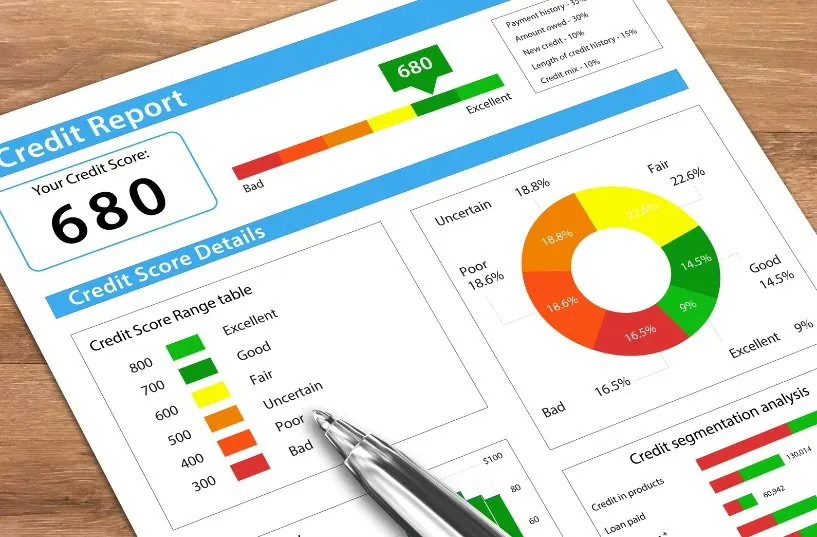
Renting an apartment involves several financial and legal responsibilities. You must manage credit scores, ensure stable income, and consider co-signers or guarantors when necessary.
Importance of Credit History and Scores
Credit history and scores play a huge role in renting an apartment. Landlords often check credit scores to determine your reliability in paying rent.
A good credit score shows you can be trusted to make payments on time. If your credit history is limited or has some negative marks, it could affect your rental application.
Having a checking or savings account with a solid history can strengthen your application. This financial information can demonstrate that you have consistent means to cover the monthly rent and any associated costs. Working on improving your credit, eliminating debt, and establishing a positive payment history can significantly boost your chances of securing an apartment.
Co-Signers and Guarantors
Renting isn’t always straightforward. Sometimes, landlords require co-signers or guarantors to add financial security to the rental agreement. So, what does this mean for you? A co-signer agrees to fulfill the obligations of the rental agreement if you’re unable to pay the rent.
Such arrangements are especially common for individuals without an established credit history. The co-signer becomes legally responsible for the monthly rent and any damage costs incurred .
This aspect can reassure landlords, as they’re assured that there’s a fallback for rent collection. Having a reliable co-signer not only improves your rental prospects but can also offer peace of mind.
Income and Rent Affordability
Income evaluation is another cornerstone of apartment rental processes. You’re often expected to provide proof of income to show you can afford the rent.
Typically, landlords seek tenants whose income is at least three times the monthly rent . This benchmark ensures that you’ll comfortably manage ongoing living expenses while renting.
Checking your income requirements , alongside reviewing a budget can prove vital. This often involves combining payslips or tax returns with bank statements from your checking account . By providing this financial documentation, you can show your ability to sustain regular rent payments and handle potential additional expenses, thereby enhancing your rental application’s strength.
Preparing for the Rental Process

Renting your own place requires careful planning and some research. From gauging your readiness to handle responsibilities to successfully submitting applications, each step demands attention.
Ready for Responsibilities?
Are you set to take on renting? It means understanding your obligations as a tenant. Paying rent on time is just one part of it. You’ll also need to manage utility bills, maintenance issues, and possibly a security deposit .
Financial preparedness is crucial as well. Have you considered how your income stability impacts your ability to qualify for an apartment ? Landlords typically look for income that is two to three times the rent. Assess your budget: What can you truly afford without stretching your finances thin?
Searching for Suitable Properties
Finding the right apartment involves more than scanning online listings. Think about location. Proximity to work, school, or public transportation might factor into your popular apartment searches .
Balance amenities with costs. Does a gym or in-unit laundry matter to you? Visit multiple locations and ask questions. Meet potential landlords. Gauge their responsiveness to issues.
Property management quality can greatly affect your experience. Trust your instincts; if a property doesn’t feel right, explore other options.
The Application and Approval Stages
The application process demands preparation. Gather necessary documents promptly. Commonly requested items include proof of income, credit history, and rental history. Be ready to provide references.
Many landlords and rental companies conduct background and credit checks. Is your credit score satisfactory ? If not, consider addressing debts before applying. Don’t forget the application fee; factor it into your moving budget.
After submitting your application, landlords evaluate it alongside others. Competitive markets may require you to act fast to secure a desired apartment. Once approved, review the lease agreement carefully. Understand your commitments before signing the lease . Feeling confident in each step can enhance your renting journey.
Looking To Rent An Apartment? One Place Locators Can Help
Renting can be a bit of an adventure, especially when age requirements vary. Most states set a minimum age of 18 to enter into a lease. There are exceptions, however, like being legally emancipated or having a co-signer.
In some states like Alabama and Nebraska, the age requirement goes up to 19. A combination of guidance from parents or guardians and an understanding of your specific state’s laws can help you find the path to renting success.
To discuss more housing options, contact One Place Locators at (737) 530-9067 .