
Austin has a reputation for being welcoming to pets. Many residents in this city own dogs, cats, or other companions, which creates a strong demand for pet-friendly apartments. Landlords recognize this need, so they usually have policies in place to allow animals in rental units.
However, these policies often include extra charges known as pet fee , pet deposit , and pet rent . Although they might seem complicated, these costs help property owners cover potential damage and ensure that residents and animals live in harmony.
In this article, we’ll break down each expense, discuss why it matters, and share tips on how renters can budget for these additional charges.
What Is a Pet Fee?
A pet fee is a one-time, non-refundable payment that tenants make at the start of their lease . This payment goes directly to the landlord or apartment management to cover normal wear and tear, cleaning, and minor damages caused by a pet. It’s different from a pet deposit because it is non-refundable , meaning you won’t get this money back when you move out. Think of it as an entrance fee for your dog or cat to live in the apartment.
Apartment complexes that accept animals want to keep their units well-maintained. Pets can scratch floors, chew on doors, or leave behind lingering odors. A pet fee helps cover these smaller issues so that the landlord does not need to tap into a larger reserve of funds for simple repairs . If your pet causes more extensive damage, the landlord might still require you to pay extra, even on top of the initial fee.
Some renters wonder why pet fees exist when they’re already paying rent. The reason is that pets create more risk for property owners . Certain complexes may not charge all three types of pet payments—some might only charge a fee, while others might combine a fee and rent. Make sure to confirm these details before signing your lease.
What Is a Pet Deposit?
A pet deposit is usually a refundable amount paid in advance as a form of insurance for landlords . Unlike a fee, this sum can return to you at the end of your lease if your animal hasn’t caused damage . Think of it as a security deposit specifically tied to your four-legged friend. The idea is that landlords can tap into the deposit if repairs exceed normal wear and tear.
For example, if your dog tears up the carpet or scratches the walls, the landlord might use part of your pet deposit to cover repairs. If the cost of fixes exceeds the amount of your deposit, you may need to cover the difference. In most cases, if you leave the apartment in good condition, you can expect to get the deposit back .
In Austin, you might see a range of deposit amounts. Some landlords might charge only a couple hundred dollars, while others could charge more if their building has high-end finishes or a strict pet policy. Always read your rental agreement carefully . Look for specifics on what constitutes damage vs. normal wear, and clarify any questions with the landlord or leasing agent before you move in.
What Is Pet Rent?
Pet rent is a recurring monthly charge that’s added on top of your regular rent . This cost goes toward the ongoing maintenance of the property, such as cleaning common areas and taking care of potential pet-related issues. Pet rent is often a small fraction of your overall monthly rent, but it can add up over time.
Many Austin apartment complexes opt for a monthly pet rent rather than relying solely on a one-time fee. By collecting pet rent, landlords keep a steady fund for regular cleaning or repairs related to pet traffic in hallways, elevators, or communal dog parks. This approach spreads the expense out across the year instead of placing a larger financial burden on tenants at lease signing.
Before you budget for your new place, make sure to ask about any pet rent. Even if the base rent is in your price range, an additional fee each month can shift your total housing costs. Clarify any annual increases too. Some properties might adjust their pet rent to match changes in market conditions or the property’s operational expenses.
Why Do Austin Apartments Charge Pet Fees, Deposits, and Rent?
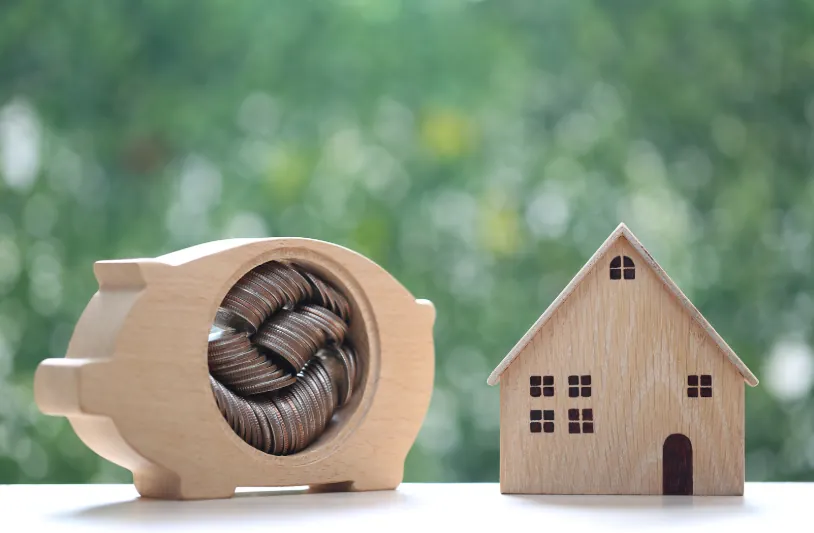
Landlords want to protect their investment . Apartments in Austin can be expensive to maintain, especially when they’re located in trendy areas with high tenant turnover.
Common items like carpets, hardwood floors, and even walls can suffer when living with pets. Although many animals are well-behaved, there’s always a risk that they’ll cause some level of damage.
Charging a pet fee, deposit, or rent serves a dual purpose:
- First, it encourages tenants to be more responsible about their animals . If you know you have money on the line, you might be more motivated to train your pet and prevent damage.
- Second, these charges help property owners set aside funds to fix or replace anything that goes beyond normal wear and tear .
Austin’s strong rental market also plays a role. Demand for pet-friendly housing is high, so landlords have more leverage in setting terms.
This isn’t unique to Austin, but in a city where many people move for its outdoor lifestyle, it’s common to bring along pets. That means properties can usually find new tenants willing to pay the additional fees. If one pet owner declines to pay, chances are another will be ready to accept those terms to secure the unit.
Typical Costs for Pet Fees, Deposits, and Rent
Costs vary by property, size of the apartment, type of pet, and the neighborhood. A luxury building downtown might charge more than an older complex on the outskirts of town.
While it’s hard to pin down a single average, here are some ballpark figures you might expect in Austin:
- Pet Fee: Can range from $200 to $500 per animal. Some newer complexes might go higher, especially if they have plush amenities or newly renovated units.
- Pet Deposit: Often falls between $200 and $400. In some cases, you might see $500 or more for larger dogs or multiple pets. Remember, deposits can be refunded if you leave the apartment in good shape.
- Pet Rent: Usually between $10 and $35 per month for each pet, though certain locations may charge higher rates.
Keep in mind that these are estimates. You might come across lower or higher amounts depending on where you’re looking. It’s always wise to compare rates across multiple complexes if you have the time. Ask for a detailed breakdown of all fees, and run the numbers to see the total cost over the term of your lease.
Factors That Influence Pet Policies
Austin is a vibrant city, home to many different property owners and managers. Each building has unique rules, so it’s a good idea to understand what factors influence these decisions.
- Breed and Size Restrictions: Some landlords worry about larger breeds or those they consider high-risk. These concerns often stem from potential property damage or liability. As a result, they might charge higher fees or restrict certain breeds altogether. Size also plays a role, as big dogs can cause more noticeable wear on carpets or floors.
- Number of Pets: Bringing more than one animal often means additional charges. Some properties cap the total number of pets allowed. Others might apply fees and deposits to each pet. If you have multiple companions, you’ll want to confirm these details upfront.
- Property Age and Amenities: Older buildings might have stricter pet policies because their infrastructure needs more frequent maintenance. Newer complexes with dog parks and pet washing stations might justify higher fees because they’re offering dedicated amenities.
- Market Demand: Austin is popular, and demand for rentals is high. If a complex has many people seeking units, it can set higher pet charges and still fill vacancies. In slower markets, landlords might lower or waive fees to attract more renters.
Tips for Renters with Pets
Moving with pets can be a smooth process if you plan ahead. Here are a few suggestions to help you navigate the extra costs and reduce stress:
- Start Your Search Early : Give yourself enough time to explore multiple options. Pet-friendly apartments can book up fast, especially during busy moving seasons like spring and summer.
- Be Honest About Your Pet: Always disclose if you have an animal. Hiding your pet can lead to broken lease terms or even eviction if the landlord finds out later. Honesty also helps you find a landlord who’s willing to work with you.
- Negotiate the Fees: In some cases, you can ask landlords to lower the pet fee, deposit, or rent, especially if you have great rental history or strong references. They might not budge, but it never hurts to ask.
- Gather Pet References: If you’ve rented before, gather letters from past landlords or neighbors stating that your pet is well-behaved. This can help lower a landlord’s concerns and potentially lead to lower fees.
- Review the Lease in Detail: Make sure you understand what your financial obligations are from the start. Clarify how and when you can get your deposit back, and find out if pet rent can increase during your lease term.
- Keep Your Pet Trained and Healthy: Well-trained pets are less likely to cause damage. Make sure your animal is up to date on vaccinations and flea treatments. Regular vet checkups help ensure your pet stays healthy in a communal living environment.
Managing Your Budget

When you’re ready to sign a lease, set aside money for the pet fee or deposit as part of your moving expenses . Along with the security deposit and first month’s rent, include these additional pet costs in your plan. If the landlord charges monthly pet rent, factor that into your overall housing budget. This approach prevents last-minute financial surprises.
It’s also wise to build an emergency fund for your pet. Even if you’re prepared to pay the upfront and recurring charges, unexpected vet bills or additional cleaning costs can strain your finances. Having some savings set aside helps you stay on top of routine pet care and any unexpected damages that might occur.
The Legal Side of Pet Fees and Deposits
Texas law doesn’t put strict caps on pet fees or deposits. However, landlords must follow fair housing regulations. They can’t impose extra charges for service animals or refuse to rent to someone with a legitimate service animal . Emotional support animals, when properly documented, also have certain protections.
If you feel a landlord’s policy is unfair or discriminatory, consider consulting local resources . The City of Austin has offices that deal with tenant-landlord disputes.
While most communities aim to maintain a positive environment for both renters and pets, misunderstandings can still happen. Document everything in writing, and keep receipts for any charges you pay.
Finding the Right Pet-Friendly Apartment in Austin
There’s no shortage of options when it comes to housing in Austin, but finding the right fit can take time. Each property has distinct perks, from indoor dog washing stations to on-site trails. As you visit properties, pay attention to details like fencing, noise levels, and access to outdoor spaces. Pets thrive when they have room to exercise and play.
If possible, bring your pet for a property tour to see if the environment fits their needs. Take note of other animals around the complex. Are the hallways loud, or do they seem clean and well-kept? These observations can help you narrow down your choices and pick a place where both you and your pet will be comfortable.
Let One Place Locators Help You Find the Perfect Apartment

Searching for a new home can feel overwhelming, especially when you have a pet. Our team at One Place Locators specializes in helping renters find the perfect Austin apartment that meets their needs. Our local knowledge allows us to guide you toward neighborhoods and properties that suit your lifestyle . We can help you understand varying pet policies so you won’t waste time touring places that don’t allow your furry companion.
Reach out to One Place Locators today , share what you’re looking for, and we’ll take it from here!