If you keep seeing "loft" on Austin listings and wonder what is a loft apartment, exactly, you are not alone. The term covers everything from a converted 1920s warehouse to a brand-new mid-rise with tall windows and an open floor plan. At One Place Locators, our TREC-licensed team tours loft-style units across downtown, East Austin, and beyond from our office on W St Johns Ave every week. We can tell you which listings are true lofts and which ones just borrow the name.
Curious whether a loft fits your budget and your daily routine? Let's talk through your options, at no cost to you.
Key Takeaways
- A loft apartment typically means an open floor plan with high ceilings, minimal interior walls, and at least some industrial-style finishes such as exposed brick, ductwork, or concrete.
- A true or "hard" loft is a conversion of an old industrial building, while a "soft" loft is new construction designed to look and feel the same way.
- Austin's loft inventory concentrates downtown, in the Warehouse and Seaholm districts, and in East Austin, where several early 1900s buildings and newer mid-rises use the loft label.
- Open layouts and tall windows make lofts feel larger, but they can also mean more noise, less privacy, and higher cooling costs during Texas summers.
- Rent, availability, and floor plan details change quickly in Austin, so confirm current pricing and building specifics with the property or a licensed locator before you apply.
What Is a Loft Apartment?
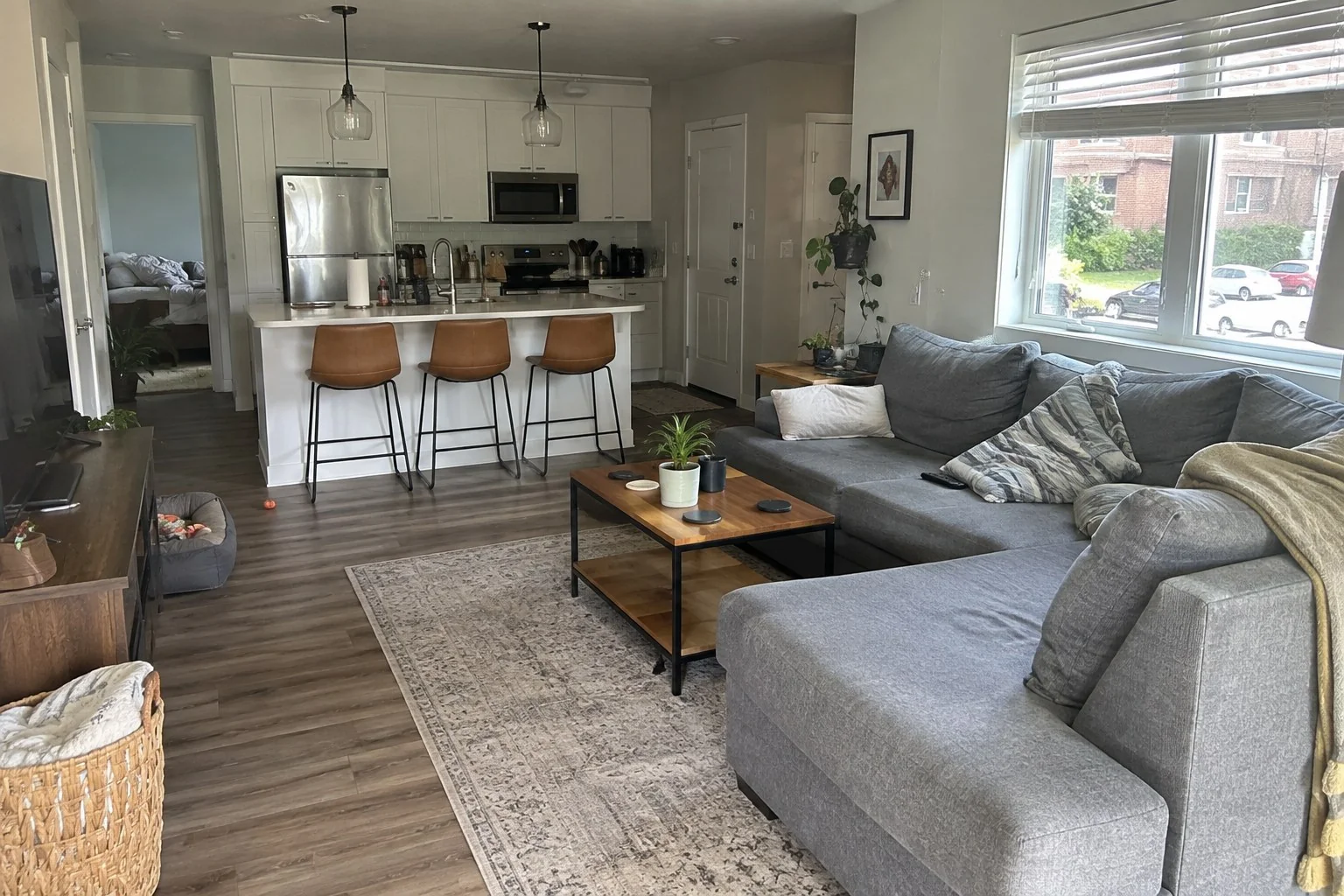
At its core, a loft is a single open living space built around fewer interior walls than a typical apartment. Instead of separate rooms for the living area, kitchen, and bedroom, a loft usually combines most of that square footage into one tall, open room. The defining features are height and openness, not size, so a loft can be a small one-bedroom conversion or a sprawling multi-level unit.
Not every open-concept apartment qualifies as a loft. Listings use the word loosely, so it helps to know the two main categories you will run into while searching Austin inventory.
Hard Loft (True Loft)
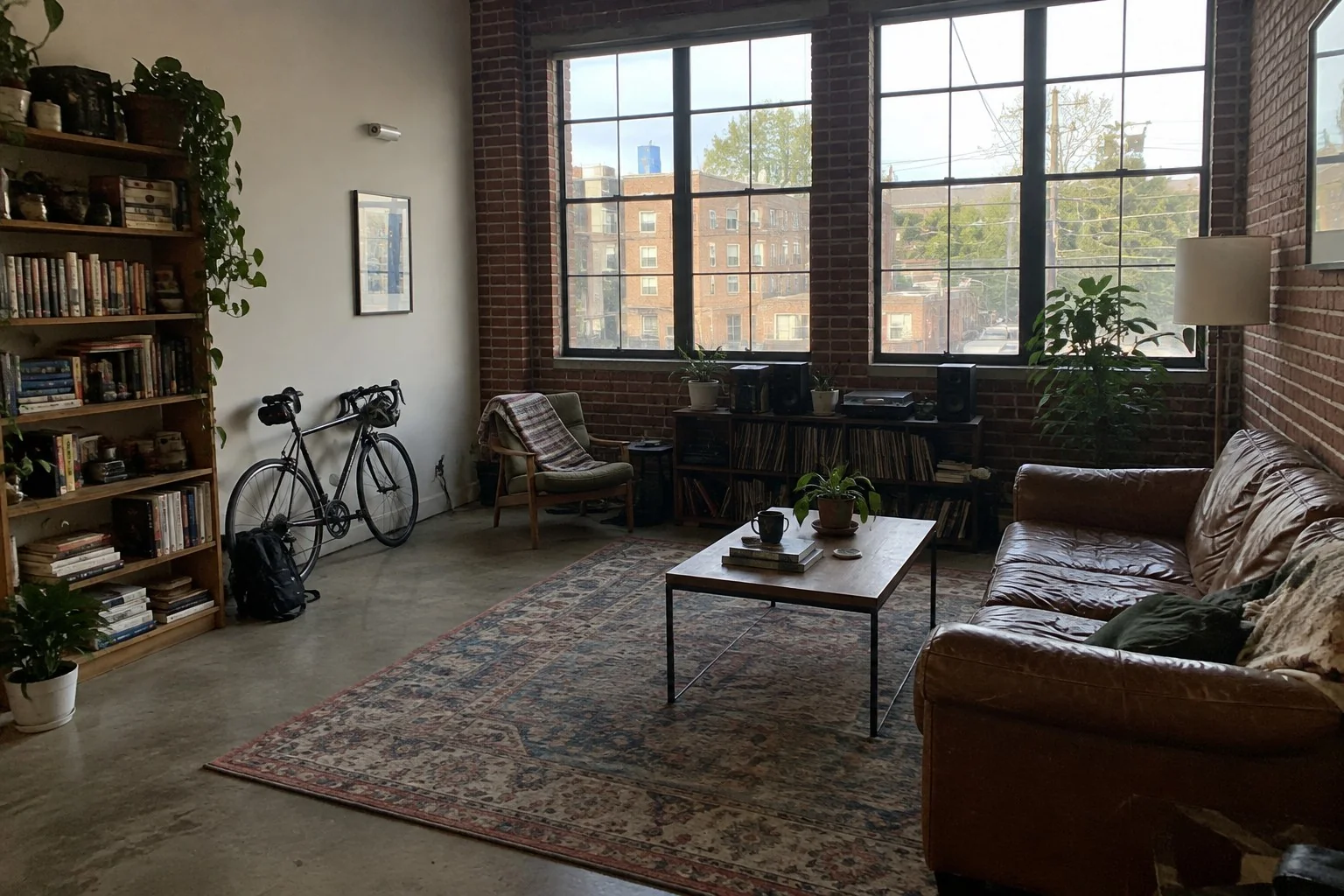
A hard loft, sometimes called a true loft, is a unit converted from an older industrial or commercial building, such as a former warehouse, print shop, or factory. These conversions usually keep original structural details: exposed brick or concrete, timber or steel beams, oversized factory-style windows, and ceilings that can run 12 to 15 feet or higher. Austin has a limited supply of true hard lofts because the city has fewer surviving early-1900s industrial buildings than cities like Chicago or New York.
Soft Loft
A soft loft is new construction designed to mimic the hard loft aesthetic without an actual industrial past. Builders add exposed ductwork, polished concrete floors, and floor-to-ceiling windows to a ground-up building, then market the open floor plan as a loft. Soft lofts are far more common in Austin's newer downtown and East Austin developments, and they typically come with better insulation, updated HVAC systems, and modern amenities that older hard lofts may lack.
Mezzanine Lofts
A mezzanine loft adds a raised platform, often reached by a staircase or ladder, above part of the main living space. Builders typically place a bedroom or home office on the mezzanine level while the kitchen and living area stay below with double-height ceilings. This layout shows up in some Austin buildings marketed as "loft" one-bedrooms, and it is worth asking about directly since not every loft floor plan includes one.
| Feature | Hard Loft | Soft Loft |
|---|---|---|
| Building age | Converted from an older industrial building | New or recent ground-up construction |
| Ceiling height | Often 12 to 15+ feet | Typically 10 to 12 feet |
| Finishes | Original exposed brick, beams, concrete | Designed to look industrial, often better insulated |
| Availability in Austin | Limited, concentrated downtown and East Austin | More common in newer mid-rises and high-rises |
| Energy efficiency | Varies, sometimes drafty | Generally newer HVAC and windows |
Loft vs. Traditional Apartment: What Actually Changes
The loft vs. traditional apartment comparison usually comes down to layout more than square footage. A traditional one-bedroom separates the bedroom behind a door and keeps the kitchen tucked into its own area. A loft opens all of that up, so light, sound, and even cooking smells travel through the whole unit.
Open Floor Plans and High Ceilings
The open floor plan is the single feature that defines a loft. Without a wall between the sleeping area and the living area, furniture placement becomes your main tool for creating separation, whether that means a bookshelf, a room divider, or simply positioning the bed away from the main sightline. High ceilings amplify the sense of space and often accommodate taller windows, but they also mean more volume for your HVAC system to condition.
Industrial Features You'll Notice
Expect some combination of exposed brick or concrete walls, visible ductwork or pipes, polished concrete or reclaimed wood floors, and oversized windows. Some Austin lofts also include exposed steel columns or original freight elevator doors kept as a design feature. These details are part of the appeal, but they can also mean less soundproofing between units than a conventionally framed building.
Where to Find Lofts in Austin
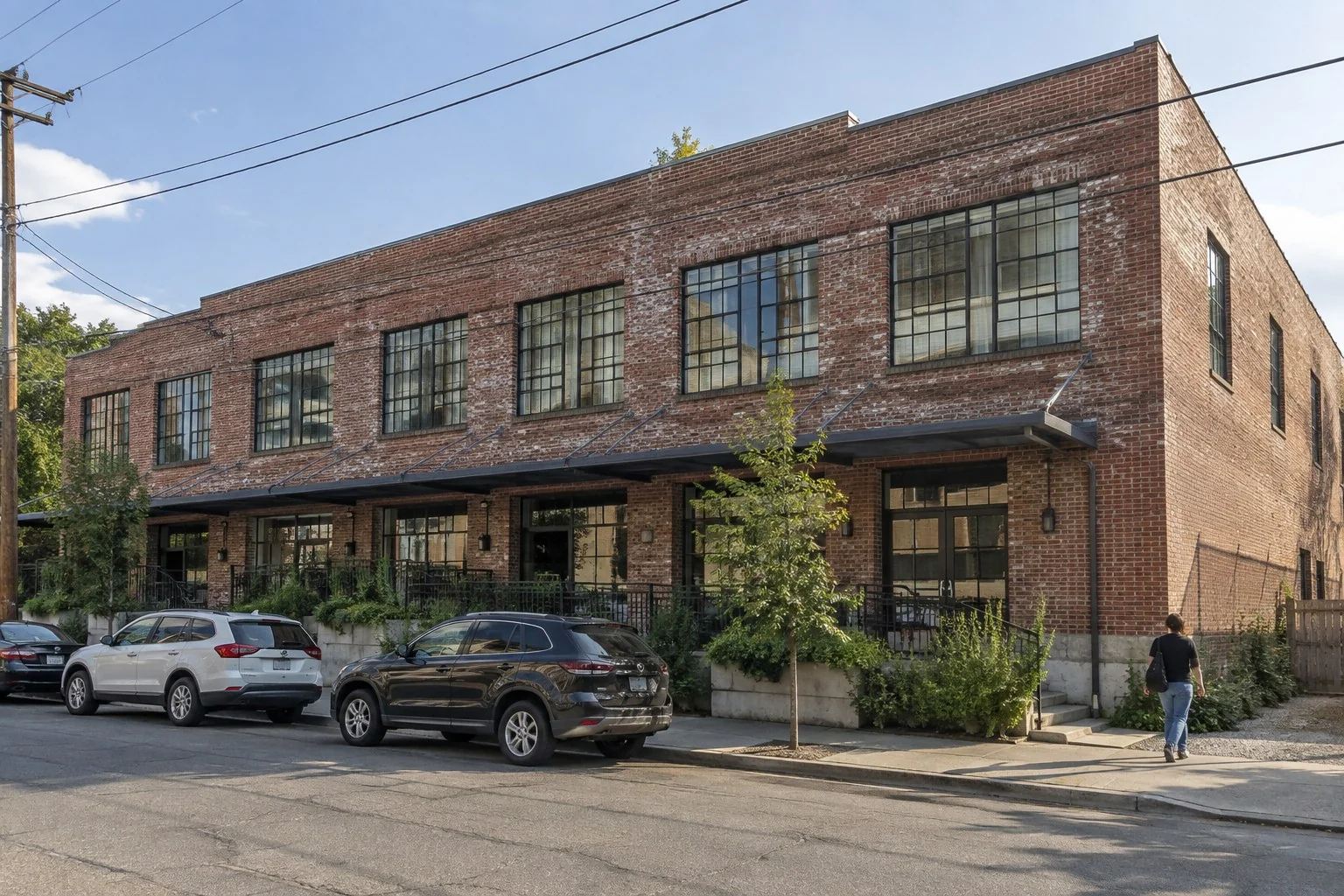
Austin's loft inventory clusters in a handful of areas, largely tied to where the city's older commercial buildings and newest urban infill projects sit. Availability shifts constantly, so treat this as a starting map rather than a guarantee of what's on the market today.
Downtown, the Warehouse District, and Seaholm
Downtown's Warehouse District, near W 5th and W 6th Streets, has some of Austin's original loft-style condo conversions alongside newer buildings that adopted the same open-plan look. The Seaholm District combines a reused industrial landmark with newer residential construction. The former power plant was adapted for office and retail use, while Seaholm Residences is separate residential construction; the residences are not converted apartments retaining the power plant's original structure. Our guide to downtown Austin apartments covers what else to expect from this part of the city, including parking and walkability trade-offs.
East Austin
East Austin has a mix of true industrial conversions and newer soft lofts, especially near E 5th, E 6th, and E 12th Streets. Several buildings in this area were originally warehouses, print shops, or small manufacturing spaces before being converted to residential lofts, and newer mid-rises nearby have picked up the same design language. The area is also served by Capital Metro's MetroRail Red Line, with the Plaza Saltillo station connecting East Austin riders toward downtown and the northern suburbs.
Want a shortlist of loft-style units that match your budget and your must-haves? Our licensed locators know which buildings are true conversions and which are new construction.
Pros and Cons of Living in a Loft
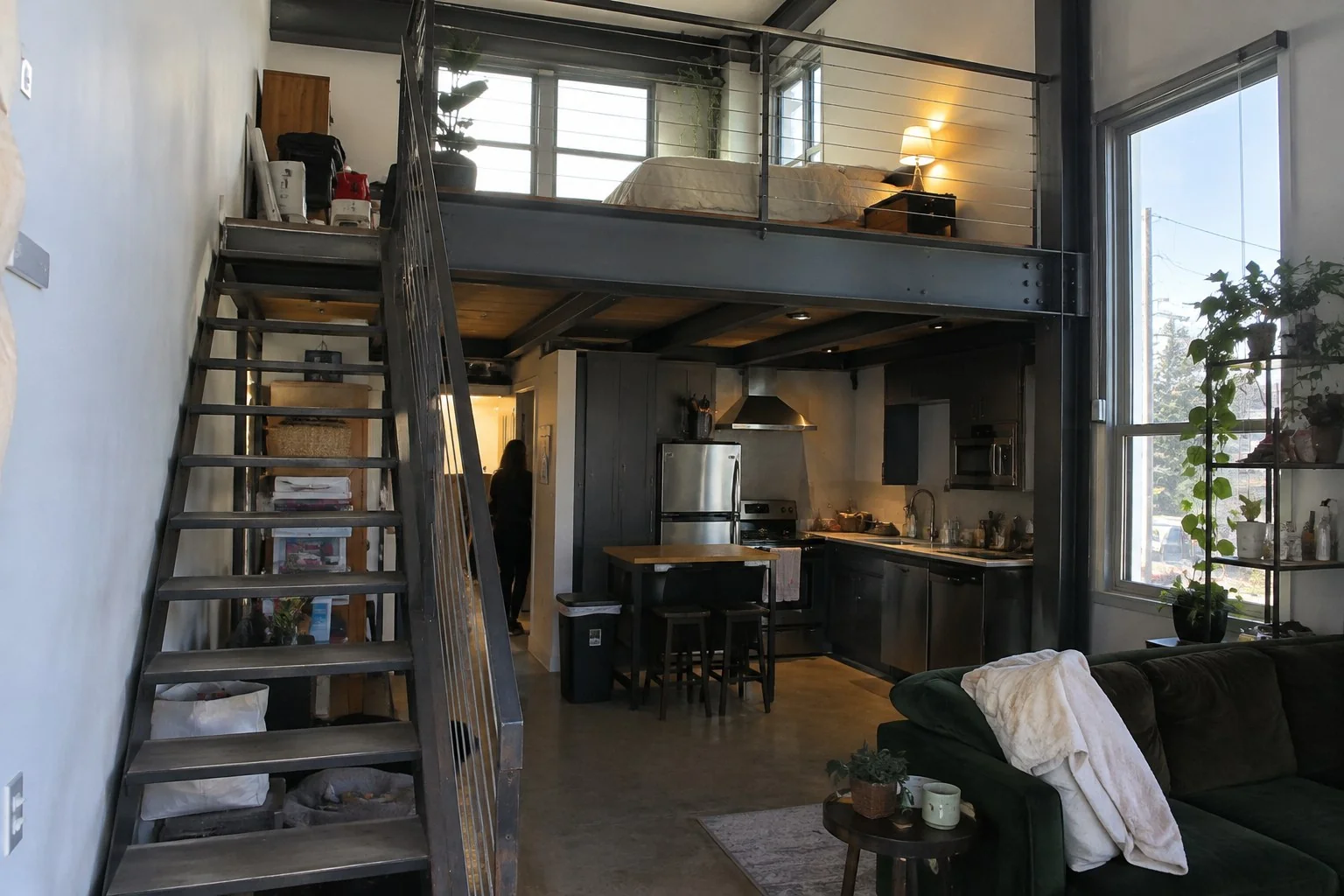
An open floor plan is either a huge selling point or a dealbreaker, depending on how you actually live day to day.
The Advantages
Lofts tend to feel larger than their square footage suggests thanks to the height and the absence of hallway space. Natural light usually reaches every corner of the unit through large windows, which can cut down on daytime lighting costs. The design also gives you flexibility. Without fixed room boundaries, you can rearrange furniture to create a home office, a reading nook, or a dedicated dining area as your needs change, something a fixed-wall layout does not allow.
The Drawbacks
Noise is the most common complaint from loft renters. Hard surfaces like concrete and exposed brick reflect sound rather than absorb it, so conversations, footsteps, and street noise from nearby entertainment districts can carry more than in a carpeted, drywall apartment. If sound between units becomes an issue, our guide to handling apartment noise complaints in Texas walks through your options and what property managers typically require before they intervene.
Privacy is the second trade-off. With no door between the bedroom and the rest of the unit, hosting guests or working from home while someone else sleeps in can be awkward. Older hard loft conversions can also come with single-pane factory windows and less insulation, which matters more in Austin's summer heat. Taller ceilings and larger windows mean your HVAC system has more volume and glass to manage, and older or undersized ductwork may struggle during peak summer heat. Our breakdown of what apartment utilities typically include explains what to ask about, including how a property handles HVAC maintenance and window efficiency.
What Does a Loft Cost in Austin?
Loft-style units are often grouped with studio or one-bedroom layouts rather than tracked as a separate citywide category. For context only, RentCafe's July 2026 Austin snapshot, as reproduced in EMLAKIE's September 18, 2026 summary puts the overall apartment average around $1,641 and one-bedroom rent around $1,421. These are not loft-specific averages or current quotes. Compare actual loft listings by size, location, building age, and included costs.
A distinctive conversion or a central address may command a premium, but a loft label alone does not guarantee higher rent. A small older conversion can cost less than a large soft loft in a new tower. Compare current units with nearby traditional layouts and ask about specials and fees.
| Area | Typical Loft Availability | What to Expect |
|---|---|---|
| Warehouse District & Seaholm | Limited, mostly soft lofts and condo conversions | Premium pricing, walkable to Lady Bird Lake and 2nd Street |
| East Austin (E 5th to E 12th) | Mix of hard and soft lofts | Wider price range, near Plaza Saltillo and East 6th dining |
| South Central & South Lamar | Occasional soft loft floor plans | Lower density of true lofts, more standard one-bedrooms |
How Much Income Do You Need?
Most Austin properties, including loft buildings, use the three-times-the-rent guideline for qualifying income. As an income example only, using the historical general one-bedroom benchmark of $1,421, that works out to roughly $4,263 a month, or about $51,156 a year before taxes. Our guide to how much rent you can afford walks through the full calculation, including what counts as income if you are self-employed or new to Austin.
Is a Loft Right for You?
A loft tends to suit renters who value design and openness over a strict separation between rooms. If you live alone, entertain often, or want a space that adapts to different uses, an open floor plan can work in your favor. Creative professionals, remote workers who can tolerate some background noise, and renters who prioritize a distinctive downtown or East Austin address often gravitate toward lofts.
A loft is a harder fit if you are a light sleeper, need a fully separate room for a home office on video calls all day, or you are sensitive to summer cooling costs. Roommates splitting rent and anyone who values a private bedroom over open sightlines usually do better in a traditional one- or two-bedroom floor plan. If you are still comparing options, our luxury apartment search service includes many of Austin's loft-style buildings alongside standard high-end floor plans, and our team can walk you through the trade-offs for your specific budget. It also helps to review what else affects the cost of living in Austin before you commit to a downtown or East Austin address.
Ready to see which loft buildings actually match your budget and lifestyle? We'll pull current availability and schedule tours for you.
About One Place Locators
One Place Locators is a TREC-licensed apartment locating team based in Austin, founded by Anna Barber, Jess Rodriguez, and Michelle Morgan. We help renters compare loft-style units, traditional floor plans, and everything in between across Austin and 14+ surrounding cities, using direct relationships with leasing offices to surface real availability. With a 5.0 rating across 700+ reviews, our service is free to renters because property owners pay us when you lease.
Frequently Asked Questions
What is a loft apartment exactly?
A loft is an open-plan unit with fewer interior walls than a typical apartment, usually paired with high ceilings and at least some industrial-style finishes. It can be a converted older building or new construction designed to look the same way. The open layout, not the size, is what defines it.
What is the difference between a hard loft and a soft loft?
A hard loft is converted from an older industrial or commercial building and keeps original structural details like exposed brick and timber beams. A soft loft is new construction designed to mimic that look with modern insulation and HVAC systems. Both share the open floor plan and tall ceilings that define the loft style.
Are lofts more expensive than regular apartments in Austin?
Some centrally located or distinctive lofts may cost more than nearby traditional units, but there is no separately verified loft average here. The historical general one-bedroom benchmark above is context, not a loft price. Compare current listings with similar square footage, lease terms, and amenities before assuming a premium.
Are lofts noisy?
Often, yes. Hard surfaces like exposed brick and concrete reflect sound instead of absorbing it, and open floor plans mean less separation between living areas and the bedroom. Buildings converted from older industrial structures can also have less soundproofing between units than newer, conventionally framed construction.
Do lofts cost more to heat and cool in Texas?
They can. Taller ceilings mean more air volume for your HVAC system to condition, and larger windows add more surface area for summer heat to enter. An older hard loft with original factory windows may run less efficiently than a newer soft loft with updated insulation, so ask about window age and HVAC type before you tour.
Can I find a loft outside of downtown Austin?
Yes, though supply is more limited outside downtown, the Warehouse District, Seaholm, and East Austin. Some newer mid-rise developments elsewhere in the city have added loft-style floor plans, but true hard loft conversions are concentrated in the areas with older industrial buildings. A licensed locator can tell you where current inventory sits.
If you started this search asking what is a loft apartment, you now know the difference between a hard loft and a soft loft, where Austin's inventory concentrates, and what trade-offs to weigh before you sign. Call One Place Locators at (512) 503-4355 or reach out online, and we'll shortlist loft-style units that match your budget and move-in date. Our office is at 811 W St Johns Ave #2103, Austin, TX 78752.
Ready to Get Started with One Place Locators?
Call (512) 503-4355 to speak with a licensed locator directly. We'll answer your questions, compare hard loft and soft loft options in the neighborhoods you like, and handle tour scheduling for you. Our search is free for renters, even if you are just planning ahead.