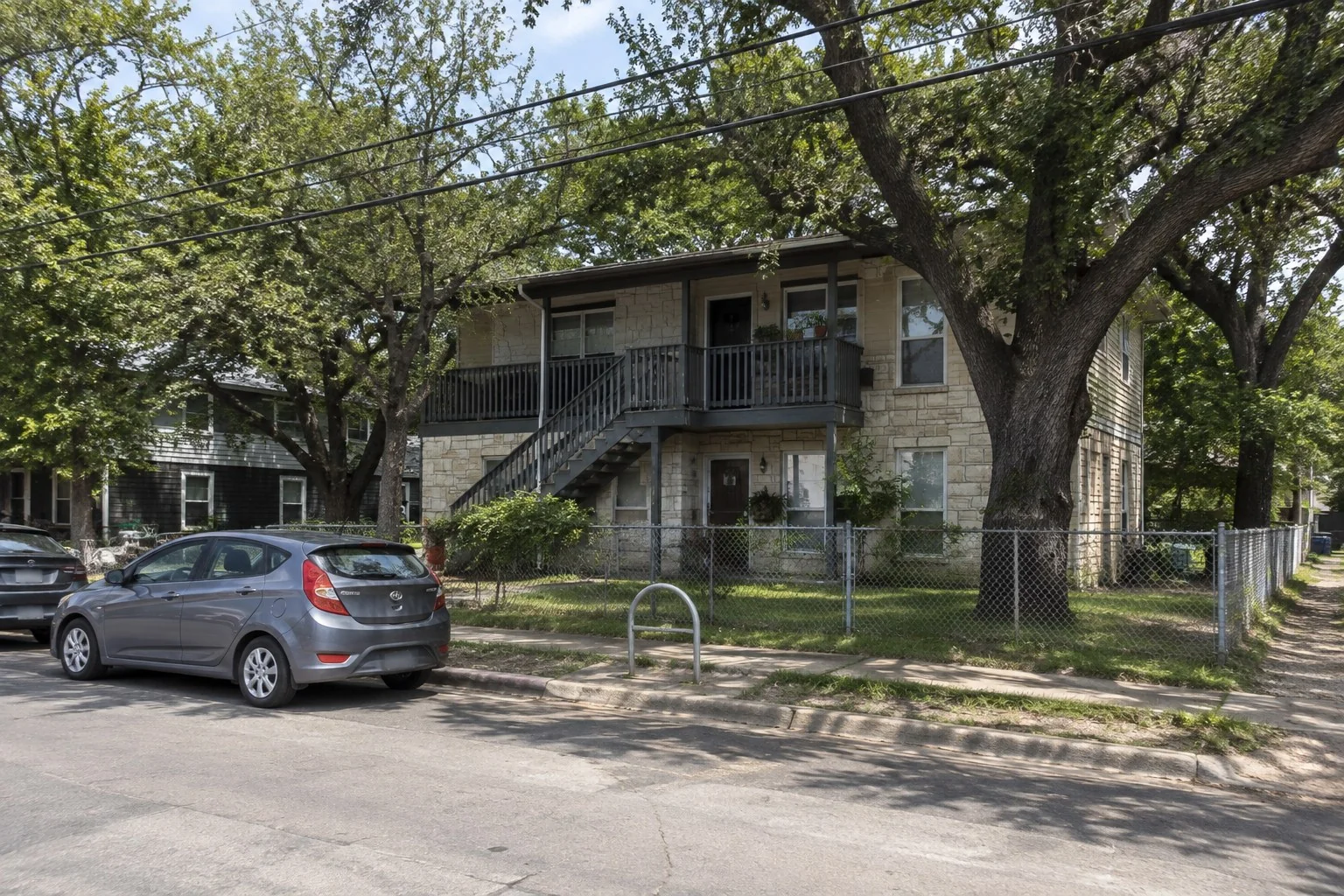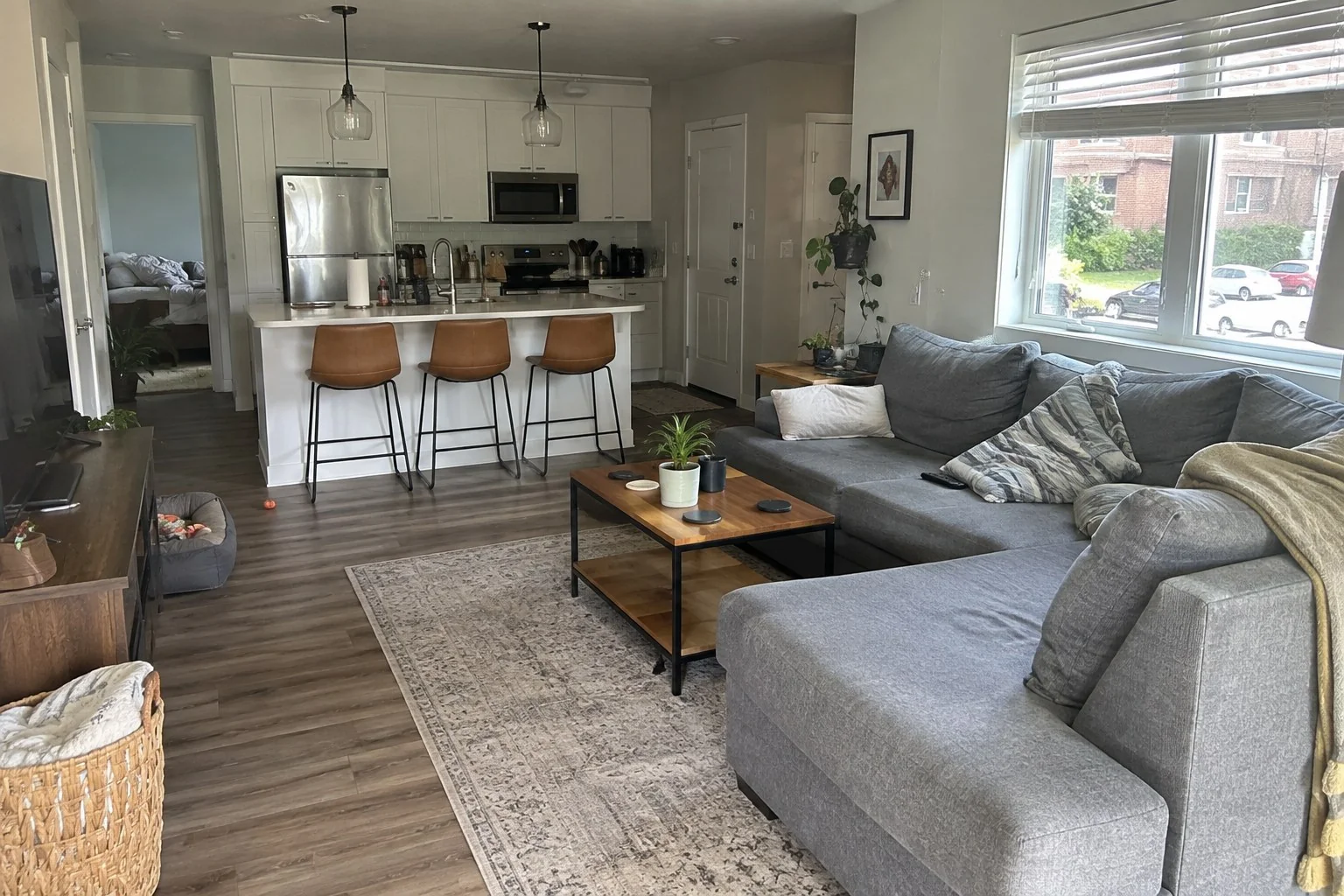
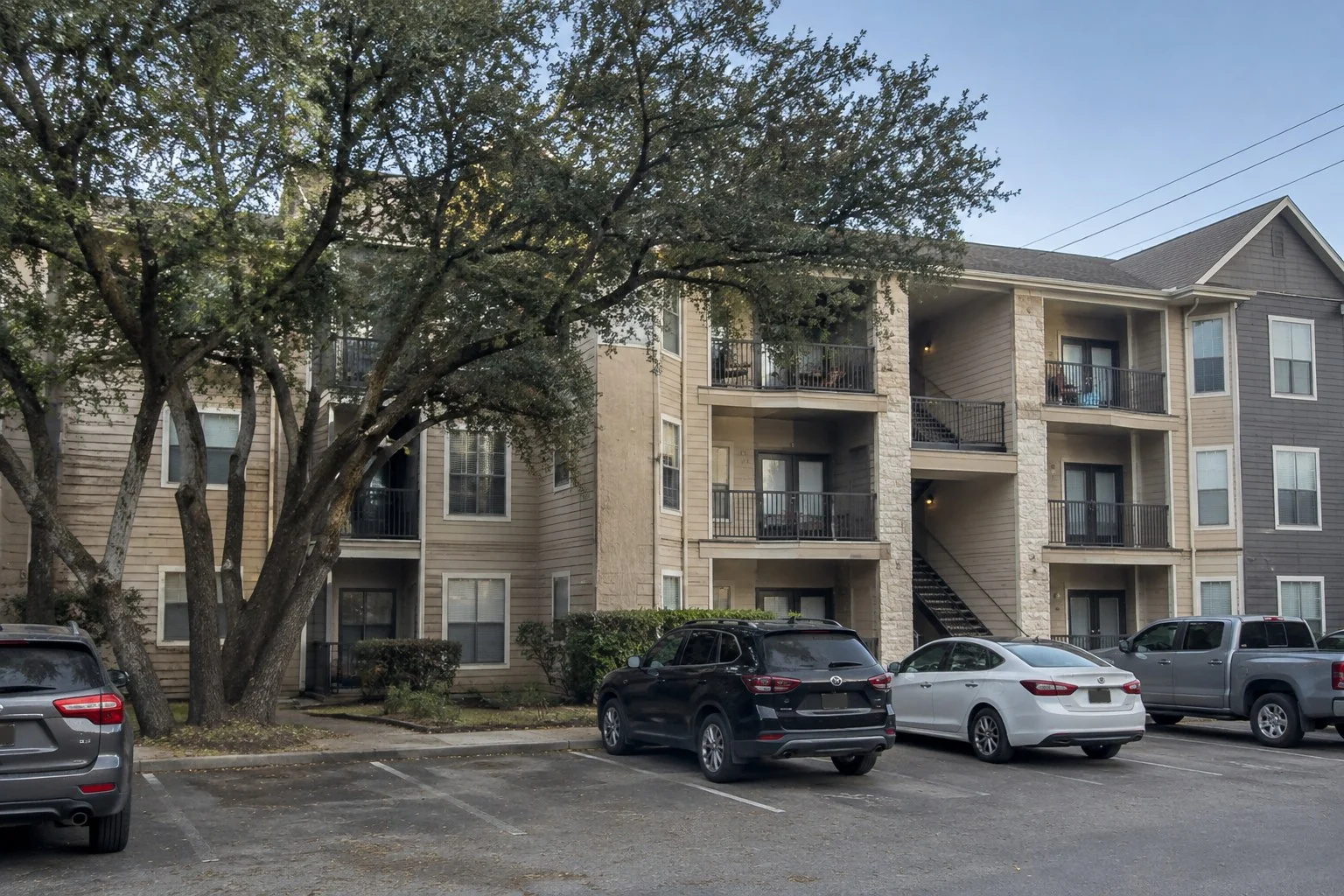
Austin apartment complexes can look almost identical online. Same stock photos, similar amenity lists, and floor plans with nearly the same square footage. The differences that matter usually show up in the details: the real monthly cost, the commute, how the community is managed, and what the lease actually says. At One Place Locators, our TREC-licensed team helps renters compare communities across Austin every day from our office on W St Johns Ave and in Pflugerville from our office on E Howard Ln, and we see the same questions come up again and again. Below are 10 factors many renters find helpful to compare side by side.
Want a shortlist built around your budget and move date? Give our team a call.
Key Takeaways
- Compare the full monthly cost of each community, including utilities, parking, pet rent and required add-on fees, not just the advertised base rent.
- Test the commute at the times you would actually drive or ride, since traffic on I-35, MoPac and US 183 can change the picture quickly.
- Look at how each complex is managed, including maintenance response, online reviews and how clearly the leasing team answers questions.
- Read the lease terms for each option side by side, especially length, renewal process and any fees tied to moving out early.
- Pricing, specials and availability change often, so confirm current details directly with each property before you apply.
Why Comparing Austin Apartment Complexes Takes More Than a Quick Search
Austin has a large and varied rental market. You will find older garden-style communities with mature trees, newer mid-rise buildings with structured garages, and high-rise towers downtown, all within a short drive of each other. Each type comes with its own trade-offs on cost, space, noise and convenience.
Listing sites are a helpful starting point, but they tend to highlight the same things: photos, amenities and a starting price. What they often leave out is how a community feels to live in day to day. That is why a simple checklist helps. Comparing the same 10 factors for every property makes it much easier to spot the real differences.
1. Total Monthly Cost, Not Just Base Rent
The advertised rent is only part of what you will pay. Many communities add monthly charges for things like trash and valet trash, pest control, internet packages, parking, storage or pet rent. Two apartments with the same base rent can end up noticeably different once these are added.
Many leasing offices can provide an itemized estimate of recurring monthly charges, plus one-time costs such as application fees, admin fees and deposits. Our guide to what apartment utilities include can help you know which items to ask about.
| Cost Item | What to Ask |
|---|---|
| Base rent | Is the quoted price tied to a specific lease length or move-in date? |
| Utilities | Which utilities are billed by the property, and how are they calculated? |
| Parking | Is parking included, or is there a monthly charge for a reserved spot or garage? |
| Pets | What are the pet fee, deposit and monthly pet rent amounts? |
| Required add-ons | Are trash, pest control or tech packages mandatory? |
| Move-in costs | What is due at signing, including application fee, admin fee and deposit? |
If you are still setting a budget, our page on how much rent you can afford walks through a simple way to estimate it.
2. Location and Commute
A lower rent can lose its appeal fast if it adds 30 minutes to your drive each way. Mapping the route from each complex to work, school or anywhere you go often can help as you narrow your list.
Test the Drive at Real Times
It helps to check the commute during the hours you would actually be on the road. Routes that use I-35, MoPac (Loop 1) or US 183 can look very different at 8 a.m. than at noon. Some renters like to drive the route once before signing.
Look at Transit Options
If you plan to ride the bus or train, check which Capital Metro routes stop near each property. Communities along MetroRapid corridors or near MetroRail Red Line stations can make a car-light lifestyle easier. You can plan trips on the Capital Metro website.
3. Floor Plan and Usable Space
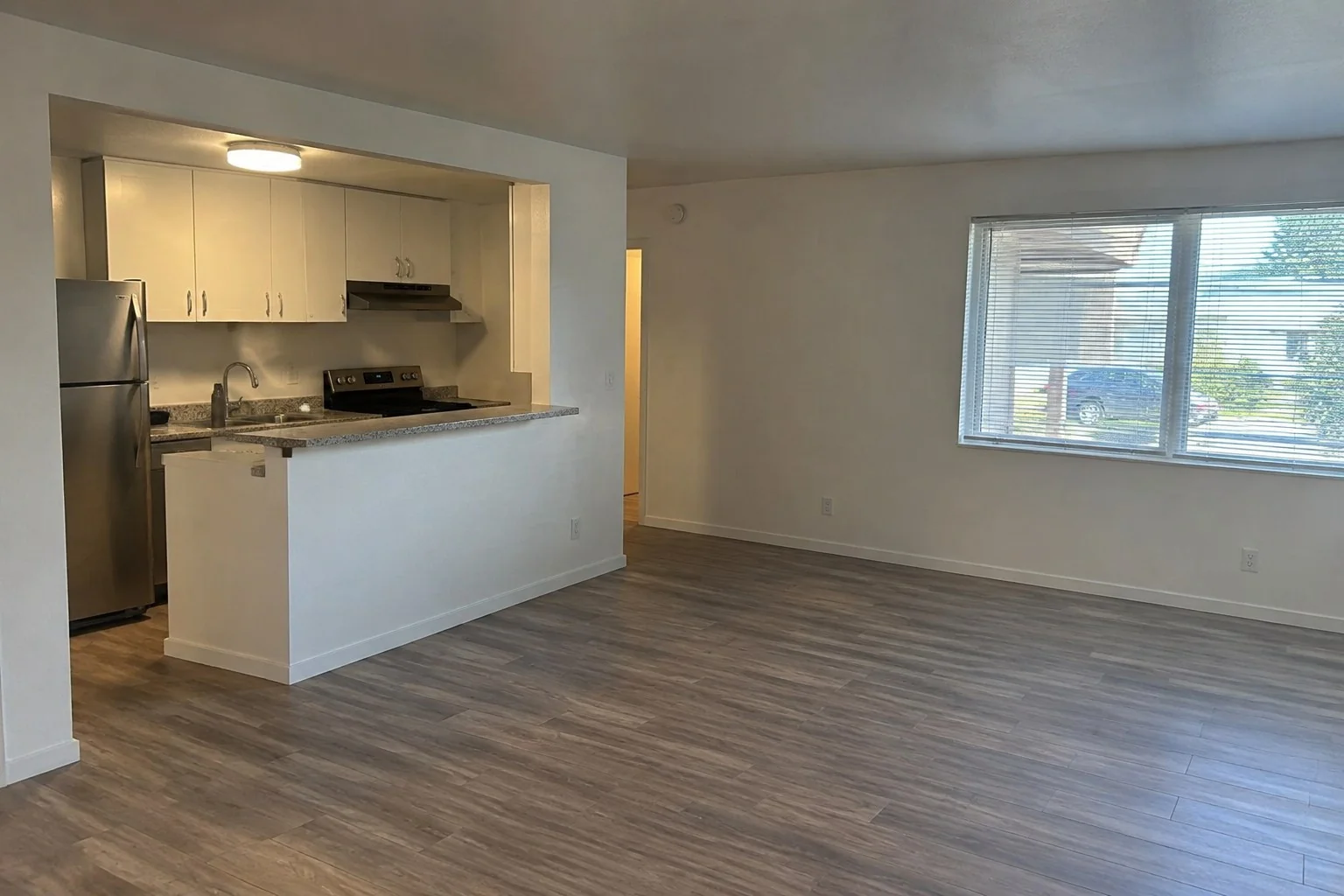
Square footage alone does not tell you how livable a unit is. A well-designed 700-square-foot one-bedroom can feel larger than a poorly laid out 800-square-foot unit.
When you compare floor plans, look at closet and storage space, where the washer and dryer connections are, how much wall space you have for furniture, and whether the kitchen has enough counter room for how you cook. If you are deciding between sizes, our pages on studio apartments in Austin and 2 bedroom apartments in Austin can help.
Not sure which communities are worth touring? A locator can help you narrow the list.
4. Amenities You Will Actually Use
Resort-style pools, rooftop lounges and coworking spaces look great on a tour, but amenities are often reflected in the rent. It helps to separate what you will use every week from what is simply nice to have.
A short list of must-haves, such as an in-unit washer and dryer, a fitness center, covered parking or package lockers, can make it easier to compare each complex than working from the full amenity menu. You may find a simpler community covers everything you need for less.
5. Parking and Package Handling
Parking setups vary a lot across Austin apartment complexes. Some offer open surface lots, others have assigned covered spots or a structured garage, and some charge extra for reserved parking. Ask how guest parking works too, especially if friends or family visit often.
Package handling is another everyday detail worth checking. Ask whether the community uses smart lockers, a package room or front office pickup, and what happens with large deliveries.
6. Pet Policies
If you have a pet, compare policies early, since they can rule out a property on their own. Pet policies, including limits on number, size and breed, vary by community, as do pet fees and monthly pet rent. Assistance animals are handled separately from pet policies, so ask each property about its process.
It is also worth looking at practical features like a dog park, pet wash station or nearby walking trails. Our pages on pet friendly apartments in Austin and pet fees, pet rent and deposits explain what to ask about.
7. Management and Maintenance
How a community is run often shapes your experience more than any amenity. A responsive management team can make small problems easy to handle.
Questions to Ask on Your Tour
- How do residents submit maintenance requests, and is there an after-hours line?
- Is maintenance handled by on-site staff?
- How are residents notified about planned work, such as water shutoffs?
Read Recent Reviews
Online reviews can show patterns, especially when the same comments repeat over several months. Focus on recent reviews, look for how management replies, and keep in mind that a single review rarely tells the whole story.
8. Noise, Layout and Unit Location
Where your unit sits inside the community matters. A unit next to the pool, dog park, trash area or a busy road may be louder than one tucked toward the back of the property.
Top-floor units typically avoid footsteps overhead, while ground-floor units can mean fewer stairs on move-in day. Many renters ask to see the specific unit, or one in a similar spot, rather than only the model. If noise is a concern for you, our tips on handling apartment noise in Austin may help.
9. Lease Terms and Flexibility
Lease details can differ quite a bit between communities, so it helps to look at each one side by side. Pricing is often tied to lease length, and some properties offer a range of terms.
| Lease Detail | What to Compare |
|---|---|
| Lease length | Which terms are available, and how does the price change with each? |
| Renewal | When are renewal offers typically sent, and how much notice is needed? |
| Moving out early | What options and costs does the lease describe for ending it early? |
| Specials | Are any current specials written into the lease, and what conditions apply? |
Many renters find it helpful to request a copy of the lease ahead of time, and the leasing office can walk you through anything that is unclear. Our tips to consider before signing a lease in Texas cover more of what to look for.
10. Neighborhood Fit
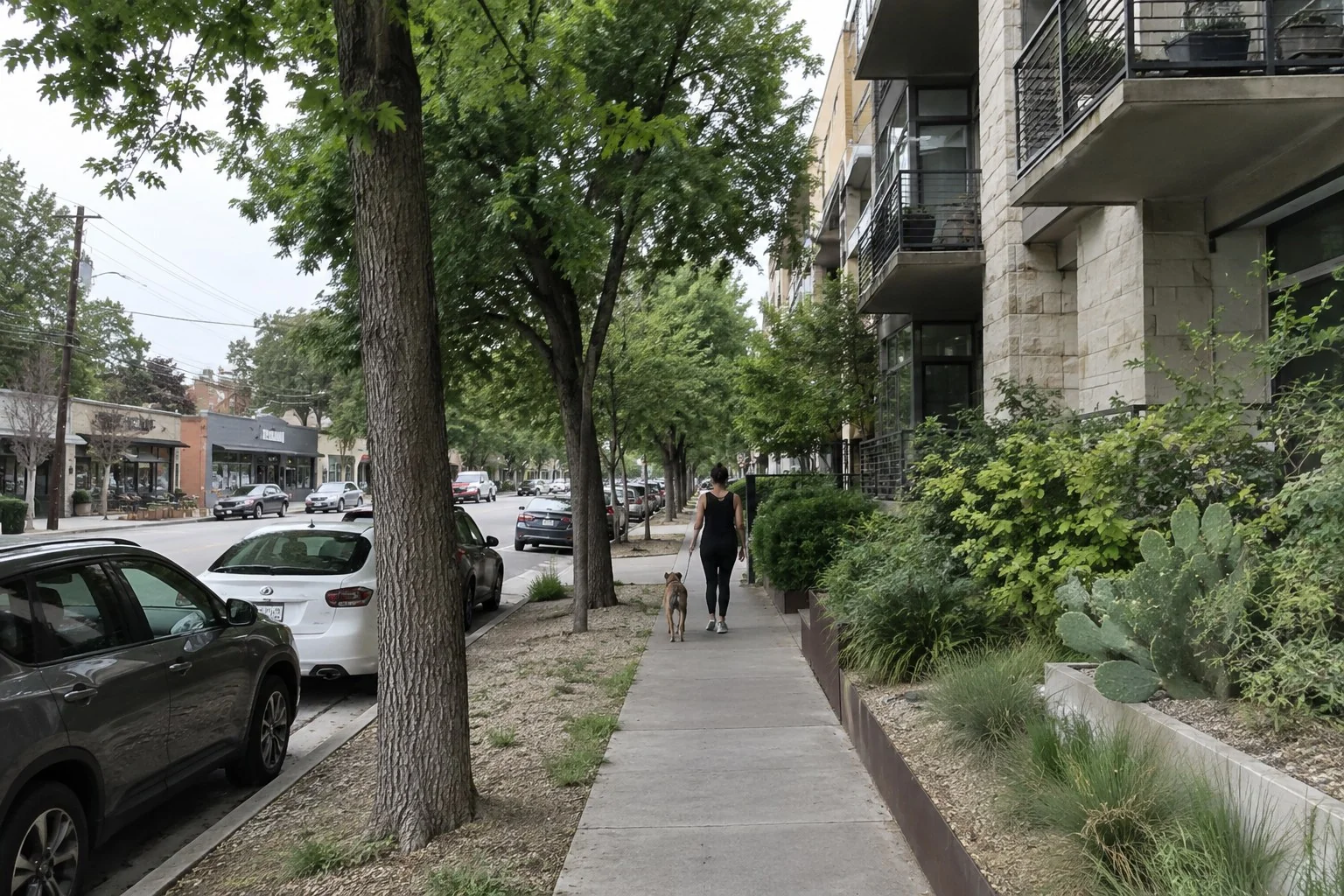
Finally, think about the area around each community. Look at what is within a few minutes of home, such as grocery stores, parks, gyms, coffee shops and restaurants, and visit the area at different times of day.
Austin neighborhoods vary a lot. The Domain area offers walkable shopping and dining, Mueller is known for its parks and planned layout, and Zilker and Barton Hills put you near Zilker Park and Barton Springs. You can explore more areas on our Austin neighborhoods page.
Ready to compare Austin apartment complexes with a local expert? Let us know what you are looking for.
About One Place Locators
One Place Locators is a TREC-licensed apartment locating team based in Austin, TX. We help renters compare communities across Austin and surrounding cities, set up tours, and narrow down options that fit their budget, commute and must-haves. Our service is free to renters. We are typically compensated by participating properties. With 700+ reviews from Austin renters, our team works to make the apartment search simpler and less stressful.
Frequently Asked Questions
How many Austin apartment complexes should I tour?
Many renters find that touring three to five communities is a good balance. It gives you enough to compare without wearing you out. Narrow your list first by budget, location and must-have features, then tour the ones that fit best. A locator can help you build that shortlist before you start.
What is the best way to compare apartment costs?
Request an itemized list of recurring monthly charges and one-time move-in costs from each property. Add recurring charges to the base rent to estimate the monthly total, and compare application fees, admin fees and deposits separately as upfront costs.
Are newer apartment complexes always better?
Not necessarily. Newer communities often have updated finishes and modern amenities, but older communities can offer larger floor plans, mature landscaping and lower rent. The right fit depends on your budget and what you value most, so it is worth touring both types before deciding.
When should I start comparing apartments in Austin?
Many renters start looking about 30 to 60 days before their move date. That window usually lines up with when properties know what will be available. Our page on when to start looking for apartments covers timing in more detail.
Can an apartment locator help me compare complexes?
Yes. An apartment locator can gather current pricing and availability, point out differences in fees and policies, and help schedule tours. At One Place Locators, our service is free to renters, so you can get help comparing communities without paying a fee to our team.
What should I bring when touring apartments?
Many renters bring a list of must-haves, a notepad or phone for notes and photos, and a list of questions about costs, lease terms and policies. Taking notes on each community right after the tour makes it much easier to compare them later.
Choosing between Austin apartment complexes is easier when you compare the same factors for each one, from total cost and commute to management and lease terms. If you would like help building a shortlist, call One Place Locators at (512) 503-4355 or reach out online. You can also visit our office at 811 W St Johns Ave #2103, Austin, TX 78752.
Disclaimer: The information in this article is provided for general informational purposes only and does not constitute legal advice. Laws, lease terms, and property policies vary and may change. Readers should review their lease agreement and consult a licensed Texas attorney regarding their specific situation.
Ready to Get Started with One Place Locators?
Our team is here to help you compare communities and find an apartment that fits your life. Call us at (512) 503-4355 to get started.