If you have started browsing listings, you already know that the types of apartments in Austin go far beyond a simple studio versus one-bedroom choice. Layouts range from micro units and lofts to townhome-style units, garden-style communities, and high-rise towers, and each one fits a different budget and lifestyle. At One Place Locators, our TREC-licensed team tours every one of these layouts across Austin every week from our office on W St Johns Ave. We know which types actually deliver on their listing photos and which ones come with trade-offs worth knowing before you tour.
Not sure which layout fits your budget and commute? Let's talk through your options, at no cost to you.
Key Takeaways
- Austin apartments are typically grouped two ways: by bedroom count (studio through 3-bedroom-plus) and by building style (garden, mid-rise, or high-rise).
- The July 2026 citywide rent snapshot cited below puts studios around $1,287 a month and two-bedrooms around $1,812; sizes and current prices vary by property.
- Specialty layouts like lofts, townhome-style units, and micro apartments trade some square footage or storage for character, location, or a lower price point.
- Income-restricted communities use program-specific income and rent limits, adjusted for factors such as household size; eligibility must be confirmed with the property.
- Rent, unit mix, and availability shift often in Austin, so confirm current pricing and eligibility with the property or a licensed locator before you apply.
What Determines an Apartment "Type" in Austin?
When people ask about the types of apartments available in a city, they are usually mixing two separate ideas: layout and building style. Layout refers to the floor plan itself, such as a studio, one-bedroom, or loft. Building style refers to how that layout sits within a larger property, such as a garden-style complex, a mid-rise, or a high-rise tower.
Most Austin listings describe both at once. A "two-bedroom in a mid-rise" tells you the room count and the building form in a single phrase. Understanding that distinction makes it much easier to filter search sites and to picture what a listing actually looks like before you schedule a tour.
Layout vs. Building Style
Layout drives your day-to-day living space: how many bedrooms you get, whether the kitchen is open or closed off, and how the square footage is divided. Building style drives the surrounding experience: elevators versus stairs, shared courtyards versus a single hallway, and how many neighbors share your building.
Occupancy Limits to Keep in Mind
Texas law generally caps occupancy at three adults per bedroom, and local building and fire codes or a property's own policy can set stricter limits. Many Austin properties use a "two persons per bedroom plus one" guideline as a starting point. Always confirm a specific property's occupancy policy directly, since it affects which layout actually works for your household.
Layout Types by Bedroom Count
Bedroom count is a useful first filter for the types of apartments you will compare. The rent column uses RentCafe's July 2026 Austin snapshot, as reproduced in EMLAKIE's September 18, 2026 summary. These are historical citywide benchmarks, not current asking rents or neighborhood-specific quotes. Confirm the exact unit price, fees, and specials before applying. The size column provides illustrative layouts, not measured market averages.
| Layout | Illustrative Size | July 2026 Citywide Average Rent | Best For |
|---|---|---|---|
| Studio | 450 sq ft example | ~$1,287 | Solo renters prioritizing location and price |
| 1 Bedroom | 700 sq ft example | ~$1,421 | Renters wanting a separate bedroom without a big jump in rent |
| 2 Bedroom | 1,050 sq ft example | ~$1,812 | Roommates, couples, or a home office setup |
| 3 Bedroom or larger | 1,350 sq ft example | ~$2,405 | Families or groups splitting rent three or more ways |
Studio Apartments
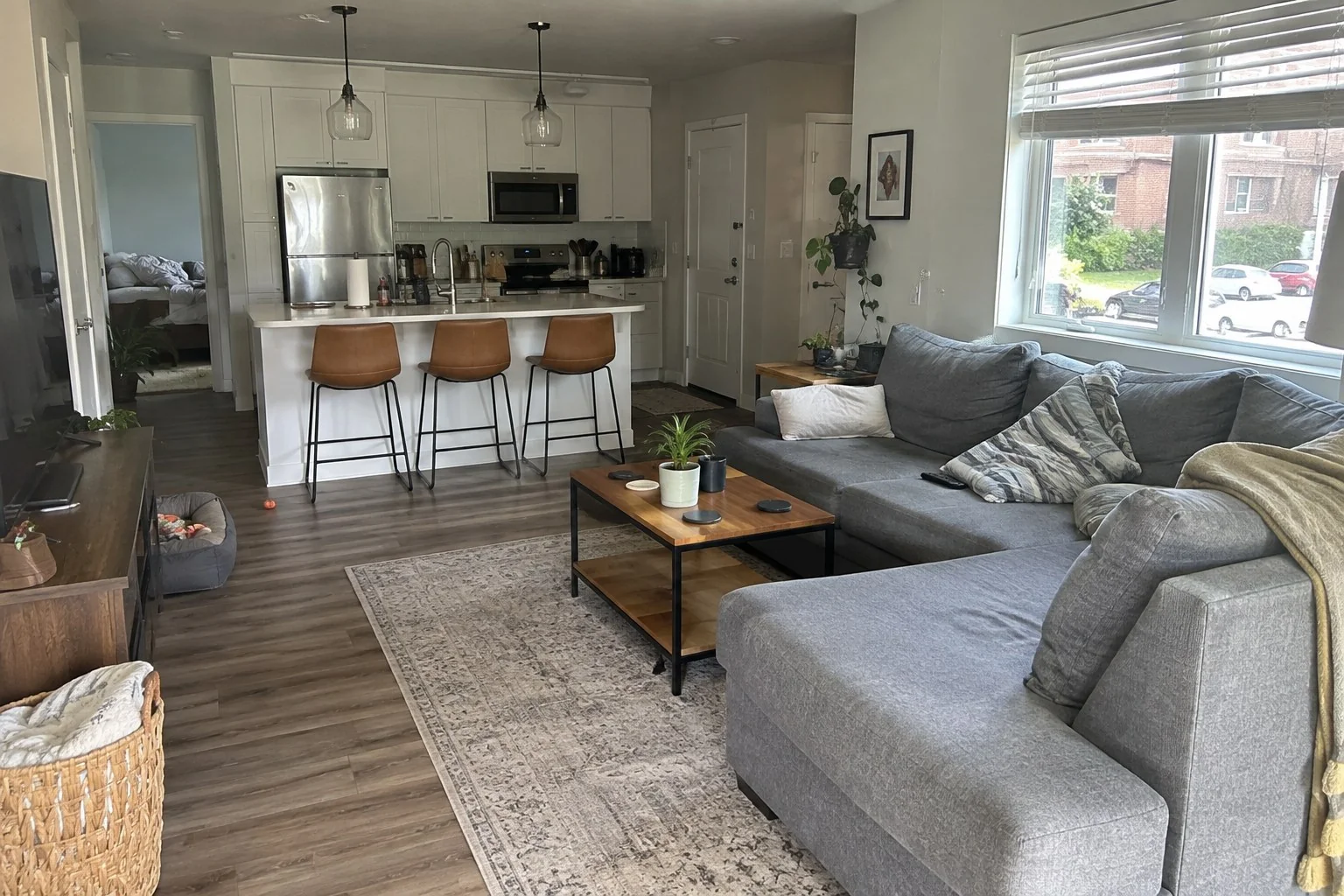
A studio combines the living room, bedroom, and kitchen into one open space, with only the bathroom behind its own door. It is the most affordable layout in nearly every Austin neighborhood and a common first lease for first time renters and new arrivals. Our guide to studio apartments in Austin covers sizing and cost in more detail.
One-Bedroom Apartments
A one-bedroom adds a separate room with a door, which matters if you work from home or want a clear line between sleeping and living space. The rent gap between a studio and a one-bedroom in Austin is often smaller than renters expect, sometimes just over $100 a month citywide.
Two-Bedroom Apartments
Two-bedrooms work well for roommates splitting costs, couples who want an office or guest room, or small families. Our two-bedroom apartment search service compares floor plans across buildings so you can see the real price-per-bedroom difference.
Three-Bedroom and Larger Apartments
Three-bedroom units and larger are less common in dense urban buildings and more common in garden-style and suburban communities. They typically make the most financial sense when rent is split three or four ways. Our three-bedroom apartment resource breaks down where these layouts are most available around Austin.
Specialty Layout Types Worth Knowing
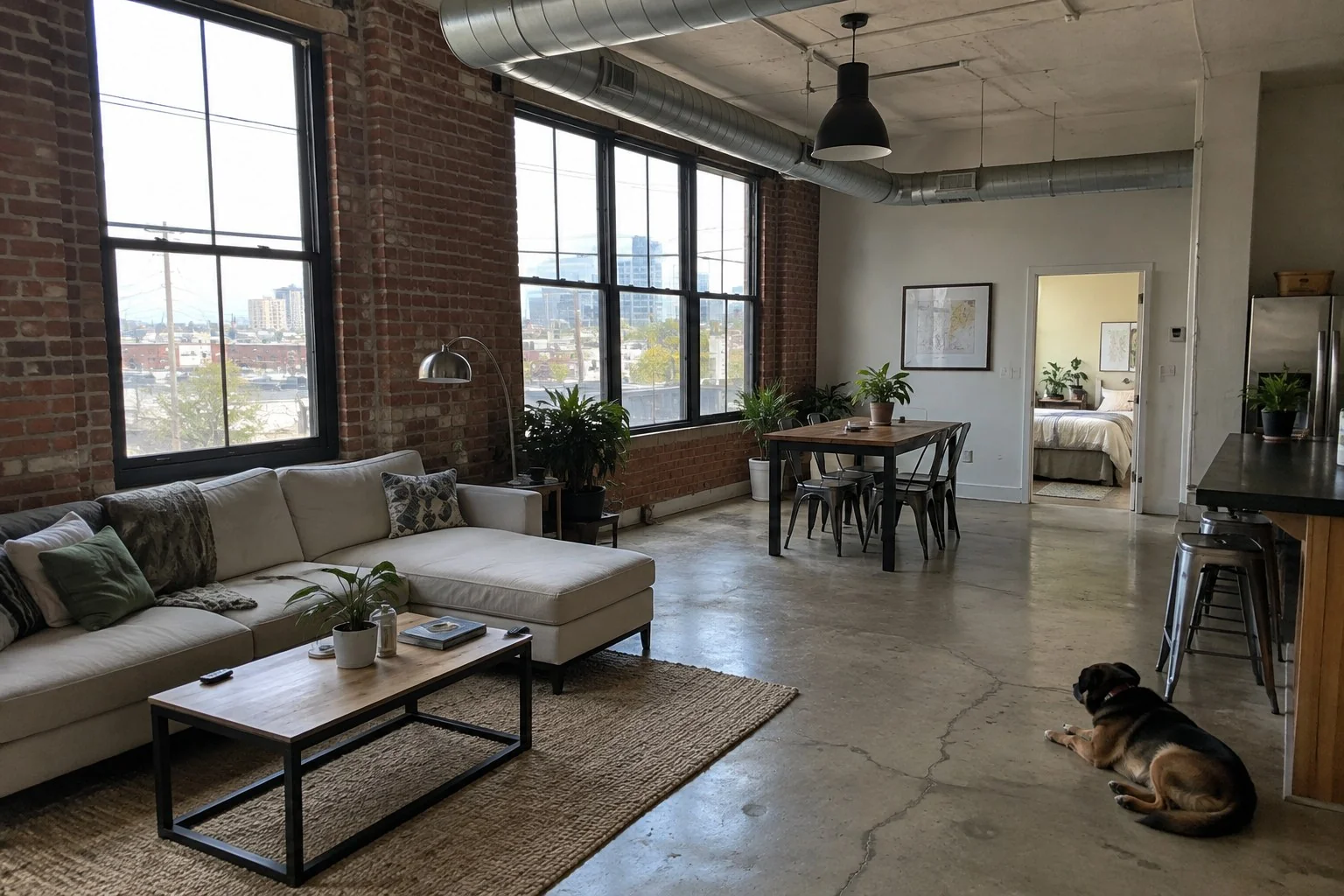
Beyond the standard bedroom-count layouts, Austin's rental market includes several specialty types that show up often enough in listings to deserve their own explanation.
Loft Apartments
Lofts typically feature high ceilings, exposed ductwork or brick, and an open floor plan. Some occupy converted industrial buildings, while others are newer construction with industrial-style finishes. A central location or distinctive building can command a premium, but there is no separately verified citywide loft average here. Compare specific lofts with nearby apartments of similar size.
Townhome-Style Apartments
Townhome-style units are typically multi-story apartments with their own private entrance, sometimes with an attached garage or small patio, arranged in rows rather than stacked floors. They offer more separation from neighbors than a typical apartment building, which appeals to renters who want a house-like feel without a full lease on a single-family home.
Micro Apartments
Micro units are the smallest layout available, often 350 square feet or less, and have become more common in downtown and East Austin developments aimed at renters who prioritize a central address over square footage. They typically include a kitchenette rather than a full kitchen, so confirm the appliance setup before touring.
Want to compare studios, lofts, and townhome-style units side by side for your budget? Our licensed locators pull real options across all of these layouts for free.
Building Styles: Garden, Mid-Rise, and High-Rise
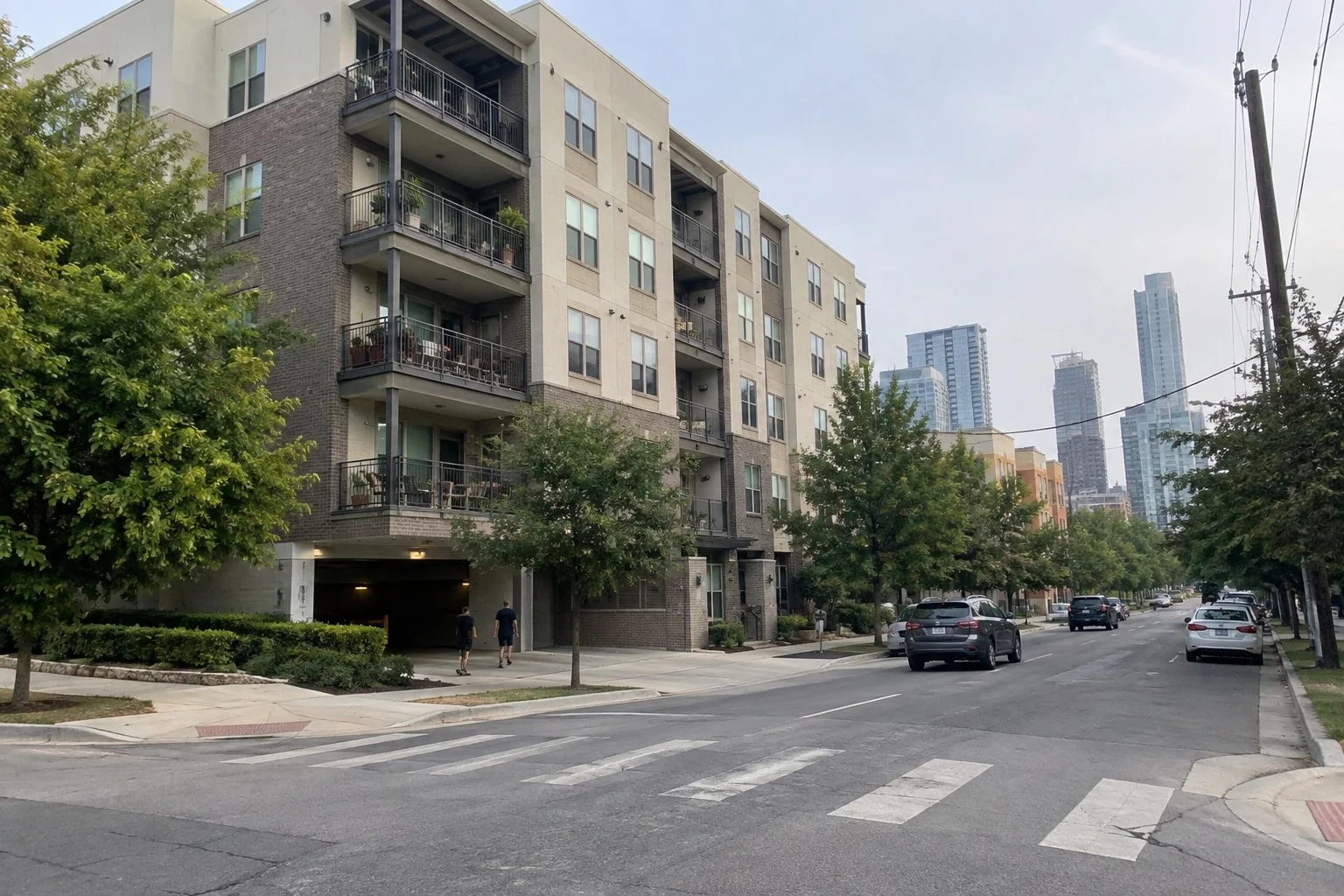
Beyond floor plan, the shape of the building itself changes your day-to-day experience, from parking to noise to how far you walk to your unit.
| Building Style | Typical Height | Common Features | Where You'll Find Them |
|---|---|---|---|
| Garden-style | 1 to 3 stories | Surface parking, courtyards, exterior entries | Suburban Austin and outer neighborhoods |
| Mid-rise | 4 to 8 stories | Elevators, shared amenity floors, structured parking | Central neighborhoods like Mueller and North Loop |
| High-rise | 9+ stories | Concierge, rooftop amenities, garage parking | Downtown and Rainey Street |
Garden-Style Communities
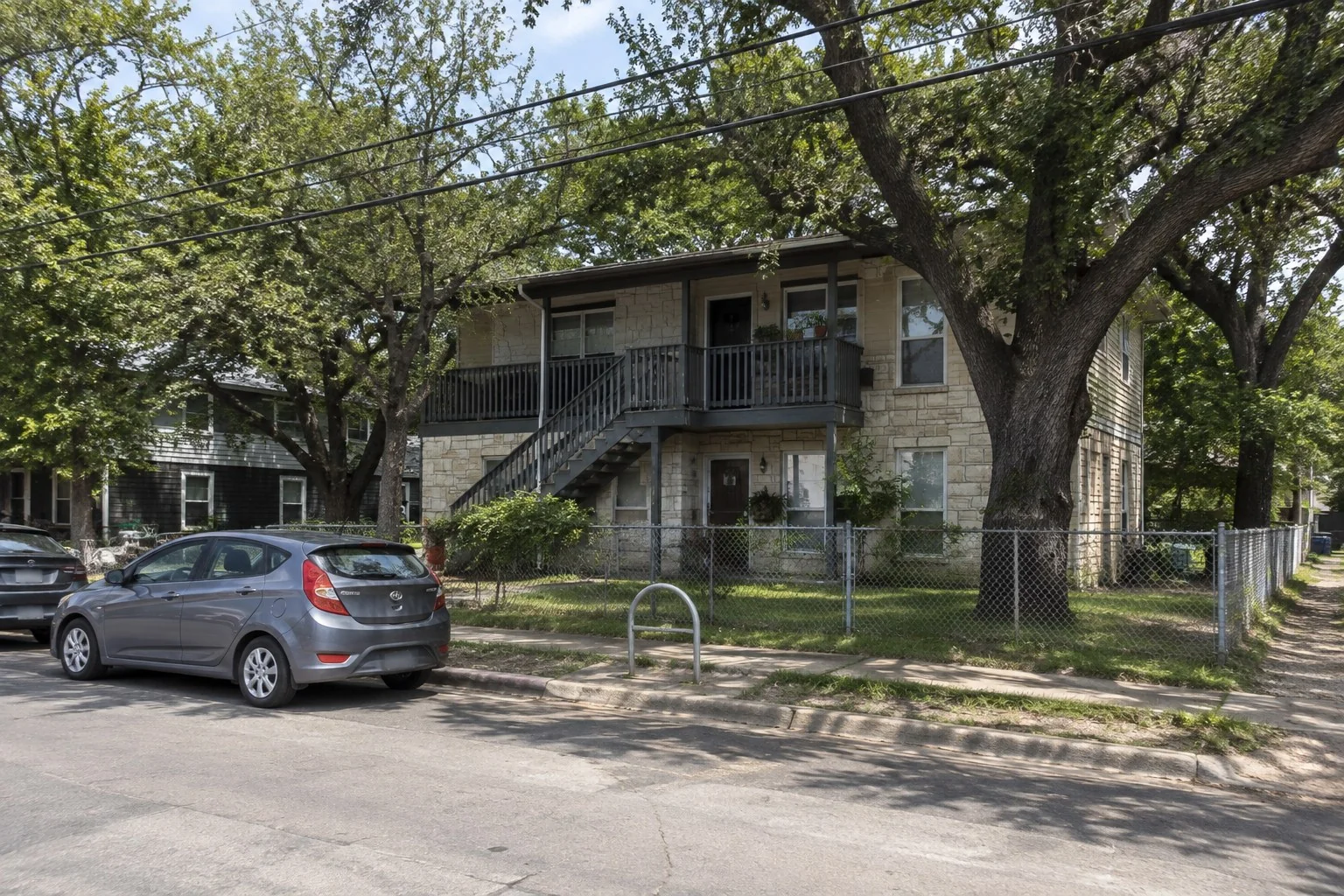
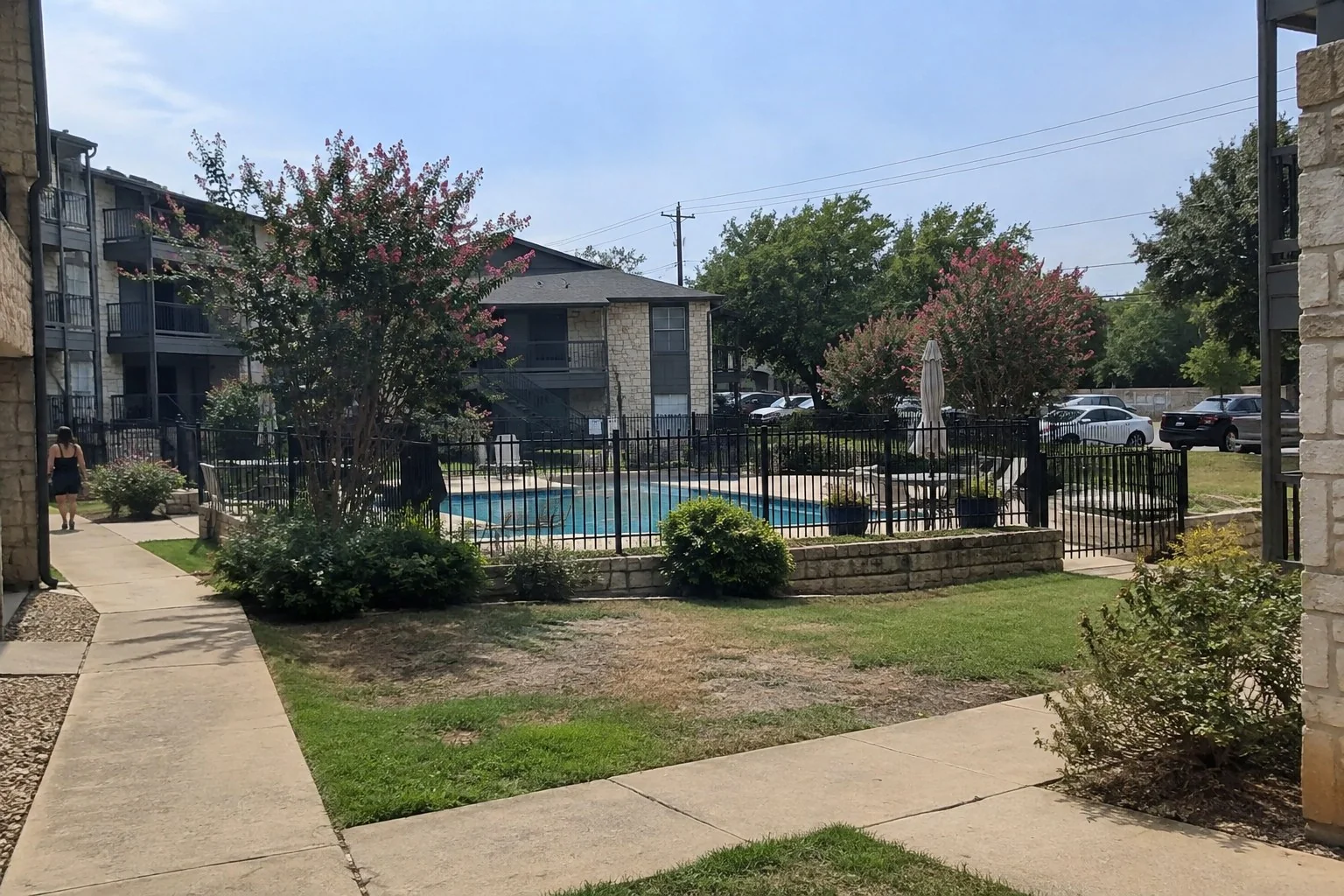
Garden-style properties spread units across several low-rise buildings, usually with shared courtyards, surface parking, and exterior unit entries. They are common in suburban Austin and often include larger floor plans, including three-bedroom and townhome-style units, at a lower price per square foot than central high-rises.
Mid-Rise Buildings
Mid-rise buildings typically run four to eight stories with elevators, shared hallways, and structured or podium parking. They strike a balance between the amenities of a high-rise and the relative affordability of a garden-style property, and they make up a large share of newer construction in central Austin neighborhoods like Mueller.
High-Rise Towers
High-rise apartments concentrate in downtown Austin and along Rainey Street, generally starting around nine stories and often reaching well above that. Downtown rents run significantly above the citywide average, so most renters weigh the walkability and views against the higher monthly cost. Our downtown Austin apartments guide covers pricing and neighborhood detail in more depth.
Budget and Eligibility-Based Types
Some categories are defined less by layout and more by who they are built for and what they cost.
Luxury Apartments
Luxury communities typically add features like resort-style pools, fitness centers, package concierge, and higher-end finishes, and they charge accordingly. Our luxury apartments in Austin service helps you compare which amenities are worth the added rent for your lifestyle.
Affordable and Income-Restricted Apartments
Income-restricted communities use the income and rent limits for their specific housing program. Austin-area AMI benchmarks, household size, and the property's designated affordability tier can affect eligibility; do not assume a single Travis County threshold applies to every program. Eligibility depends on household size and income documentation, and waitlists can run long, so apply early if this category fits your situation. Our affordable apartments in Austin resource walks through how these programs typically work.
Choosing the Right Apartment Type for Your Life
With so many types of apartments to choose from, narrowing the list usually comes down to three questions: how much space you actually use, how many people are splitting the rent, and how much you value a central location versus square footage.
If You're Renting Solo
A studio or one-bedroom in a mid-rise or high-rise typically gives you the most walkable, amenity-rich option for one income. If budget is the priority, a garden-style one-bedroom in an outer neighborhood often costs meaningfully less.
If You're Splitting Rent
Two- and three-bedroom garden-style or mid-rise units generally offer the best price per bedroom for roommates, especially if you are not moving in with someone you already know.
If You Want Character Over Amenities
Lofts, townhome-style units, and older mid-rise buildings often deliver more personality and outdoor space than a new high-rise, sometimes at a comparable price once you account for parking fees and amenity costs at newer properties.
Ready to see which apartment types actually fit your budget and commute? We'll pull real options and schedule the tours for you.
About One Place Locators
One Place Locators is a TREC-licensed apartment locating team based in Austin, founded by Anna Barber, Jess Rodriguez, and Michelle Morgan. We help renters compare studios, lofts, high-rises, and every other layout across Austin and 14+ surrounding cities, drawing on direct relationships with leasing offices to surface real availability. With a 5.0 rating across 700+ reviews, our service is free to renters because property owners pay us when you lease.
Frequently Asked Questions
What are the main types of apartments in Austin?
Austin apartments are typically grouped by bedroom count, from studios through three-bedroom-plus units, and by building style, including garden-style, mid-rise, and high-rise properties. Specialty layouts like lofts, townhome-style units, and micro apartments add further options depending on the neighborhood.
What is the difference between a garden-style and a mid-rise apartment?
Garden-style communities spread units across a few low-rise buildings with exterior entries and surface parking, while mid-rise buildings run four to eight stories with elevators and shared indoor hallways. Mid-rises are more common in central Austin, while garden-style properties dominate suburban areas.
Are lofts more expensive than regular apartments in Austin?
Some centrally located or distinctive loft buildings can cost more than nearby traditional apartments, but a loft label alone does not establish a premium. Building age, size, amenities, and lease term all matter. Compare actual listings rather than treating lofts as a separate measured citywide rent category.
How do income-restricted apartments in Austin work?
Income-restricted units use the income and rent limits for the specific housing program and property. Ask which Austin-area benchmark, affordability tier, and household-size limits apply, and request the current eligibility schedule. You typically submit income documentation, and waitlists can be long, so check requirements well before your planned move.
What is a townhome-style apartment?
A townhome-style apartment is typically a multi-story unit with its own private entrance, arranged in rows rather than stacked floors, and sometimes includes an attached garage or small patio. It offers more separation from neighbors than a standard apartment building while still being leased and managed like an apartment community.
What type of apartment is best for a first-time renter in Austin?
Many first-time renters start with a studio or one-bedroom in a mid-rise, which balances a manageable rent with amenities and a central location. The right choice still depends on your budget, commute, and whether you plan to live alone or split costs with a roommate.
Working through the different types of apartments in Austin gets much easier once you know how layout, building style, and budget categories fit together. Call One Place Locators at (512) 503-4355 or reach out online, and we'll match you with the layouts and neighborhoods that fit your search. Our office is at 811 W St Johns Ave #2103, Austin, TX 78752.
Ready to Get Started with One Place Locators?
Call (512) 503-4355 to speak with a licensed locator directly. We'll walk through the apartment types that fit your budget, compare buildings and neighborhoods, and handle tour scheduling for you. Our search is free for renters, so reach out today and let's find your place.