
Moving to a new apartment in Texas brings excitement and new opportunities, but it also raises important questions about protecting your belongings and financial security. Many renters assume their landlord's property insurance covers their personal items, but this common misconception can lead to devastating financial losses when unexpected events occur.
Renters insurance serves as a crucial safety net for Texas tenants, providing protection that extends far beyond what most people realize. This comprehensive coverage not only safeguards your personal belongings but also offers liability protection and additional living expenses during covered incidents. Understanding the specifics of renters insurance in Texas can help you make informed decisions about your coverage needs and ensure you're adequately protected in your new home.
Whether you're searching for your first apartment or have been renting for years, knowing what renters insurance covers and why it matters in Texas will help you navigate the rental market with confidence.
Understanding Renters Insurance Basics in Texas
Renters insurance is a type of property insurance specifically designed for tenants who rent their living space rather than own it. In Texas, this coverage fills the gap left by your landlord's property insurance, which typically only covers the building structure and the landlord's liability, not your personal belongings or personal liability as a tenant.
The insurance operates on the principle of risk transfer, where you pay a relatively small premium to an insurance company in exchange for financial protection against larger potential losses. Texas renters insurance policies generally include three main components: personal property coverage, liability protection, and additional living expenses coverage.
Personal property coverage protects your belongings from covered perils such as fire, theft, vandalism, and certain weather-related damages. This includes everything from furniture and electronics to clothing and kitchen appliances. The coverage extends to items both inside your rental unit and, in many cases, items temporarily away from home.
Liability protection covers you if someone is injured in your rental unit or if you accidentally cause damage to someone else's property. This component becomes particularly important in Texas, where liability claims can result in significant financial judgments. Additional living expenses coverage helps pay for temporary housing and related costs if your rental becomes uninhabitable due to a covered loss.
What Personal Property Does Renters Insurance Cover?
The personal property component of renters insurance in Texas provides extensive coverage for your belongings, typically protecting items at their actual cash value or replacement cost, depending on your policy type. Standard coverage includes furniture, electronics, appliances, clothing, jewelry up to certain limits, books, and sporting equipment.
- Electronics represent a significant portion of most renters' valuable items, and Texas renters insurance covers computers, televisions, gaming systems, smartphones, and audio equipment against covered perils. However, it's important to note that standard policies often have sublimits for high-value electronics, meaning you might need additional coverage for expensive items like professional camera equipment or high-end computers.
- Furniture and appliances you own are also covered, including items like sofas, beds, refrigerators you've purchased, washers, dryers, and kitchen appliances. This coverage proves especially valuable for renters who have invested in quality furnishings or appliances that would be expensive to replace.
- Clothing and personal items receive coverage under most policies, including shoes, accessories, linens, and toiletries. While individual clothing items might seem inexpensive, the total replacement cost of an entire wardrobe can be substantial. Some policies also provide coverage for items temporarily away from home, such as laptops taken to work or clothes at the dry cleaner.
When Sarah, a recent college graduate, experienced a kitchen fire in her Austin apartment last year, her renters insurance covered the replacement of her damaged furniture, electronics, and clothing. The $15,000 in coverage she received helped her replace essential items and get back on her feet quickly, demonstrating the real-world value of comprehensive personal property protection.
Liability Protection and Its Importance
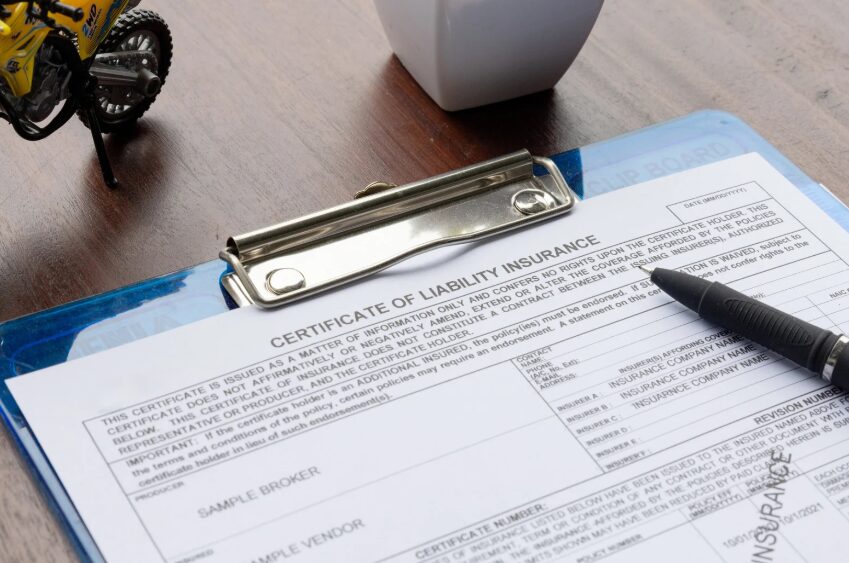
Liability coverage stands as one of the most crucial yet often overlooked aspects of renters insurance in Texas. This protection shields you from financial responsibility when you're legally liable for bodily injury to others or damage to their property. In a state where legal judgments can reach substantial amounts, liability coverage provides essential financial protection.
- Personal liability coverage typically ranges from $100,000 to $500,000 per occurrence, with most insurance professionals recommending at least $300,000 in coverage for adequate protection. This coverage applies when guests are injured in your rental unit due to your negligence, such as a slip and fall incident, or when you accidentally cause damage to your neighbor's property.
- Texas renters insurance liability coverage extends beyond your rental unit to include incidents that occur away from home. If you accidentally cause injury to someone while playing sports, damage someone's property while visiting their home, or are involved in incidents where your actions result in harm to others, your renters insurance liability coverage may apply.
- The coverage also includes legal defense costs, which can be substantial even in cases where you're ultimately found not liable. Legal fees, court costs, and attorney expenses can quickly accumulate, making the legal defense component of liability coverage particularly valuable.
- Medical payments coverage, often included with liability protection, pays for medical expenses when someone is injured on your property, regardless of who's at fault. This coverage typically ranges from $1,000 to $5,000 per person and can help maintain good relationships with neighbors or guests by ensuring their medical expenses are covered promptly.
Additional Living Expenses Coverage
Additional living expenses (ALE) coverage, also known as loss of use coverage, provides financial assistance when your rental becomes uninhabitable due to a covered loss. This component of Texas renters insurance helps pay for temporary housing, meals, and other necessary expenses while your rental unit is being repaired or rebuilt.
The coverage typically pays for the difference between your normal living expenses and the additional costs you incur while displaced from your rental. For example, if you normally spend $800 per month on rent and groceries but need to stay in a hotel and eat restaurant meals costing $1,500 per month, ALE coverage would help pay the $700 difference.
Texas renters commonly use ALE coverage for situations involving fire damage, severe water damage from burst pipes, or weather-related incidents that make their rental uninhabitable. The coverage usually has both a dollar limit and a time limit, commonly lasting 12 to 24 months or until you find alternative permanent housing.
Hotel costs represent the most common ALE expense, but coverage often extends to restaurant meals when cooking facilities aren't available, increased transportation costs to maintain your normal commute, pet boarding fees if your temporary housing doesn't allow pets, and storage costs for your belongings during repairs.
Understanding the specific terms of your ALE coverage is essential, as policies vary in what expenses they cover and how they calculate benefit amounts. Some policies pay actual expenses up to your limit, while others pay a percentage of your personal property coverage limit for additional living expenses.
Texas-Specific Coverage Considerations
Texas renters face unique risks and considerations that make certain aspects of renters insurance particularly important. The state's weather patterns, including severe thunderstorms, tornadoes, and occasional winter storms, create specific coverage needs that renters should understand when selecting their policies.
Severe weather events in Texas can cause significant property damage through wind, hail, and water infiltration. Standard renters insurance policies typically cover wind and hail damage to personal property, but it's important to understand your policy's specific terms regarding weather-related losses. Some policies may have separate deductibles for wind and hail claims, particularly in areas prone to severe weather.
Flooding presents a significant consideration for Texas renters, as standard renters insurance policies exclude flood damage. Given Texas's susceptibility to flash flooding, especially in urban areas like Houston and Austin, renters in flood-prone areas should consider separate flood insurance through the National Flood Insurance Program (NFIP) or private insurers.
The state's large urban areas bring increased risks of theft and vandalism, making personal property coverage particularly valuable for city dwellers. Texas renters insurance policies typically provide robust coverage for theft and vandalism, but renters should ensure their coverage limits adequately reflect the value of their belongings.
Common Coverage Exclusions and Limitations

Understanding what renters insurance doesn't cover in Texas is just as important as knowing what it does cover. Standard policies contain several exclusions and limitations that renters should be aware of to avoid coverage gaps and unexpected out-of-pocket expenses.
Flood damage represents the most significant exclusion in standard renters insurance policies. This exclusion applies to damage caused by rising water from natural sources, including rivers, streams, and surface water from heavy rain. Given Texas's flood risks, this exclusion makes separate flood insurance consideration essential for many renters.
Earthquake damage is typically excluded from standard policies, though Texas has relatively low earthquake risk compared to other states. However, some areas of Texas do experience seismic activity, and renters in these areas should consider whether earthquake coverage is necessary.
High-value items often have coverage limitations under standard policies. Jewelry, artwork, collectibles, and expensive electronics may be covered only up to specific sublimits, often ranging from $1,000 to $2,500 per category. Renters with valuable items should consider scheduling these items separately or purchasing additional coverage.
The following items typically require special consideration or additional coverage:
- Expensive jewelry, watches, or gemstones above policy limits.
- Fine art, antiques, or collectibles exceeding standard coverage.
- Business equipment or inventory used for home-based businesses.
- High-end electronics or professional equipment above sublimits.
- Expensive musical instruments or professional tools.
Intentional damage, normal wear and tear, and damage from pests or insects are also commonly excluded from coverage. Additionally, damage resulting from negligence or failure to maintain your belongings typically won't be covered.
Cost Factors and Ways to Save Money
The cost of renters insurance in Texas varies based on several factors, with the average annual premium ranging from $180 to $300 for most renters. Understanding these cost factors can help you make informed decisions about coverage levels and find ways to reduce your premiums while maintaining adequate protection.
Location significantly impacts renters insurance costs in Texas, with urban areas typically having higher premiums due to increased theft and vandalism risks. Austin renters, for example, might pay slightly more than those in smaller Texas cities due to higher crime rates and property values. Coastal areas may also have higher premiums due to weather-related risks.
Coverage amounts directly affect your premium costs, with higher personal property limits and liability coverage resulting in higher premiums. However, the cost difference between coverage levels is often modest, making higher coverage limits a cost-effective choice for many renters. The deductible you choose also impacts your premium, with higher deductibles resulting in lower monthly or annual costs.
Your claims history and credit score can influence your renters insurance rates in Texas. Insurance companies often use credit information to help determine rates, as statistical data shows a correlation between credit scores and claim frequency. Maintaining good credit can help you qualify for lower rates.
Several strategies can help Texas renters reduce their insurance costs:
- Bundle your renters insurance with auto insurance for multi-policy discounts.
- Install safety features like smoke detectors, burglar alarms, or deadbolt locks.
- Choose a higher deductible to lower your premium costs.
- Look for discounts offered to students, seniors, or members of certain organizations.
- Pay your premium annually instead of monthly to avoid processing fees.
When searching for apartments in Texas, many renters discover that having renters insurance already in place can streamline the leasing process, as some landlords require proof of coverage before move-in.
How to Choose the Right Coverage Amount

Determining the appropriate amount of renters insurance coverage requires careful assessment of your personal property value, liability risk exposure, and additional living expense needs. Most Texas renters underestimate the total value of their belongings, making a thorough inventory essential for proper coverage selection.
Creating a detailed inventory of your personal property provides the foundation for determining adequate coverage limits. Start by walking through your rental unit and listing major items with their estimated replacement costs. Include furniture, electronics, appliances, clothing, kitchenware, books, and sporting equipment. Many people are surprised to discover their belongings are worth $30,000 to $50,000 or more.
Consider your liability exposure when selecting liability coverage limits. Factors such as whether you frequently have guests, your involvement in activities that could result in injury claims, and your overall asset protection needs should influence your liability coverage decision. Many insurance professionals recommend liability coverage of at least $300,000, with $500,000 providing even better protection for a relatively small additional cost.
Additional living expenses coverage should reflect your local housing costs and lifestyle. Research temporary housing costs in your area and consider how long repairs might take for different types of damage. In expensive markets like Austin, temporary housing costs can be substantial, making higher ALE coverage limits worthwhile.
When working with One Place Locators to find your ideal rental property, discussing your insurance needs early in the apartment search process can help ensure you select coverage that adequately protects your investment in your new home.
Frequently Asked Questions
Is renters insurance required by law in Texas?
Renters insurance is not required by Texas state law, but many landlords require tenants to carry renters insurance as a condition of their lease agreement. Even when not required, renters insurance provides valuable financial protection that makes it a wise investment for most renters.
Does renters insurance cover roommate situations?
Standard renters insurance policies typically cover only the named policyholder's belongings and liability. Roommates usually need separate policies to protect their individual property and liability exposure. Some insurers offer roommate endorsements, but separate policies often provide better coverage and fewer complications.
What happens if I don't have renters insurance and experience a loss?
Without renters insurance, you would be personally responsible for replacing your damaged or stolen belongings and paying for any liability claims against you. This could result in significant out-of-pocket expenses that many renters cannot afford, potentially leading to financial hardship or debt.
How quickly can I get renters insurance coverage?
Most insurance companies can provide renters insurance coverage immediately or within 24 hours of application approval. Many insurers offer online applications and instant coverage, making it possible to secure protection quickly when needed for lease requirements.
Does renters insurance cover items stolen from my car?
Renters insurance typically covers personal property stolen from your car, subject to your policy deductible and coverage limits. However, your auto insurance comprehensive coverage might also apply to items permanently attached to your vehicle. Review both policies to understand which provides better coverage for your situation.
Invest in Safety, Invest in Renters Insurance Today!
Renters insurance in Texas provides essential financial protection that extends far beyond what most renters initially realize. From safeguarding your personal belongings against theft, fire, and weather damage to providing crucial liability protection and additional living expenses coverage, renters insurance serves as a comprehensive safety net for tenants across the Lone Star State.
The relatively modest cost of coverage makes it an accessible and valuable investment for virtually all renters, while the assurance it provides is immeasurable. Don't wait until it's too late, contact an insurance professional to discuss your renters insurance needs and ensure you have adequate protection for your Texas rental experience.
About One Place Locators
One Place Locators specializes in apartment locating services throughout Texas, with extensive experience helping renters find their perfect rental home while navigating the complexities of the rental market. We provide comprehensive apartment search services, lease review assistance, and rental market guidance to help clients secure ideal housing arrangements. Our team of certified apartment locating professionals combines deep local market knowledge with industry expertise to deliver successful rental outcomes for clients throughout major Texas metropolitan areas.
We pride ourselves on understanding the complete rental process, from initial apartment searches to move-in requirements, including insurance considerations that protect our clients' investments. Our experienced locators have helped thousands of renters find suitable apartments while ensuring they understand important aspects like insurance requirements, lease terms, and local rental market conditions.
Contact One Place Locators today at (737) 530-9067 to discuss how our apartment locating expertise can help you find the perfect rental property in Texas. Schedule a consultation to learn more about our comprehensive locating services and how we've helped clients achieve successful rental experiences throughout the state.