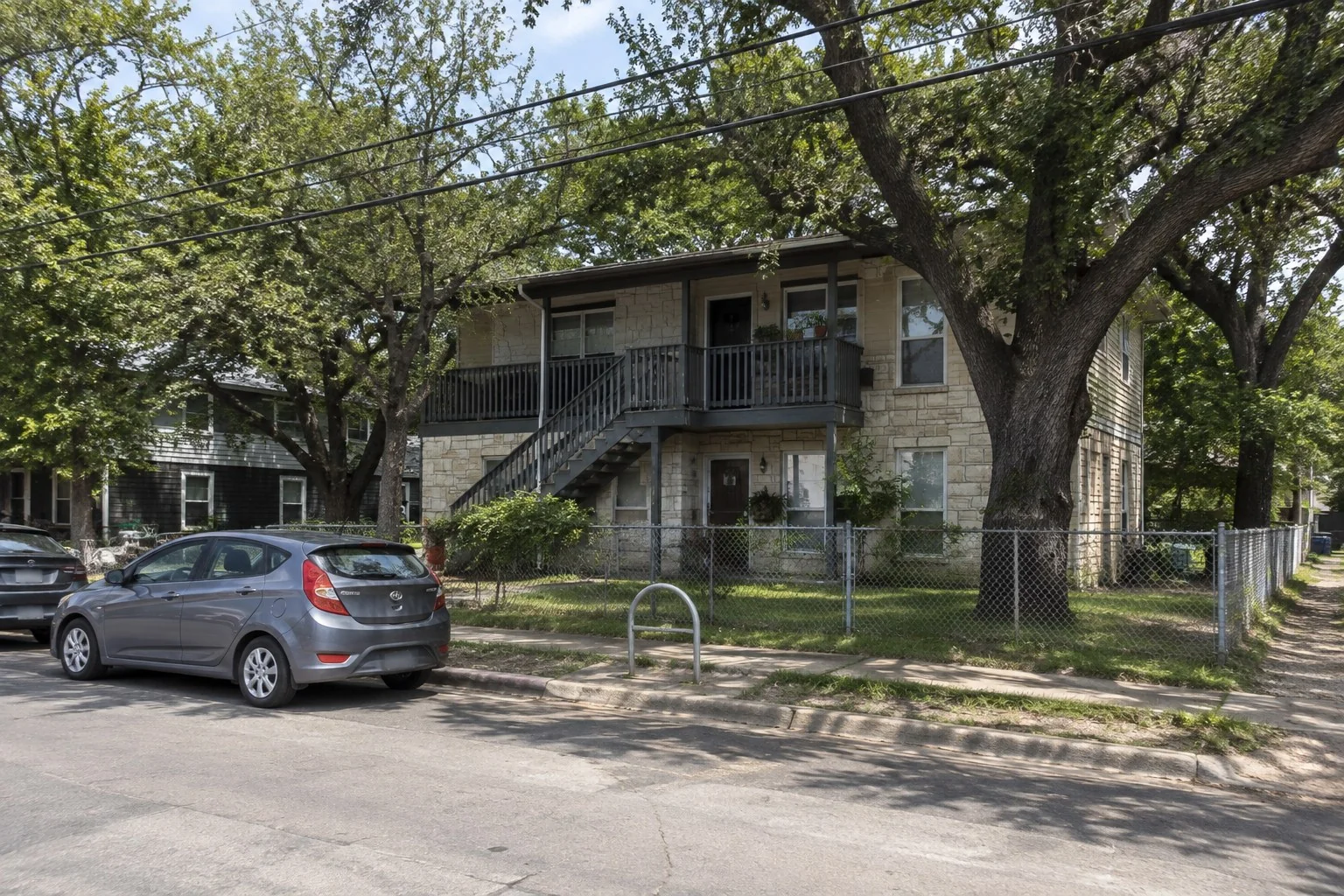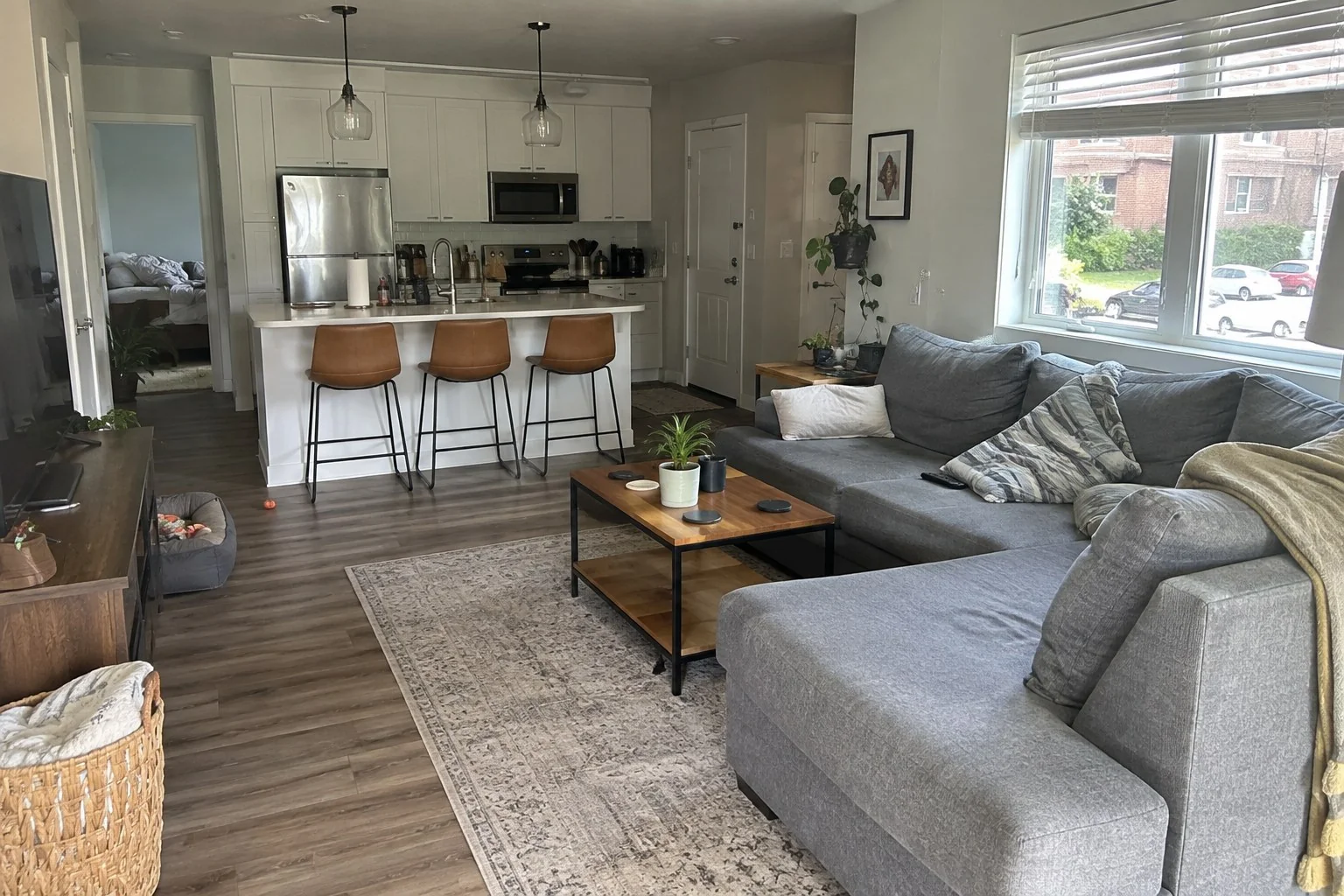
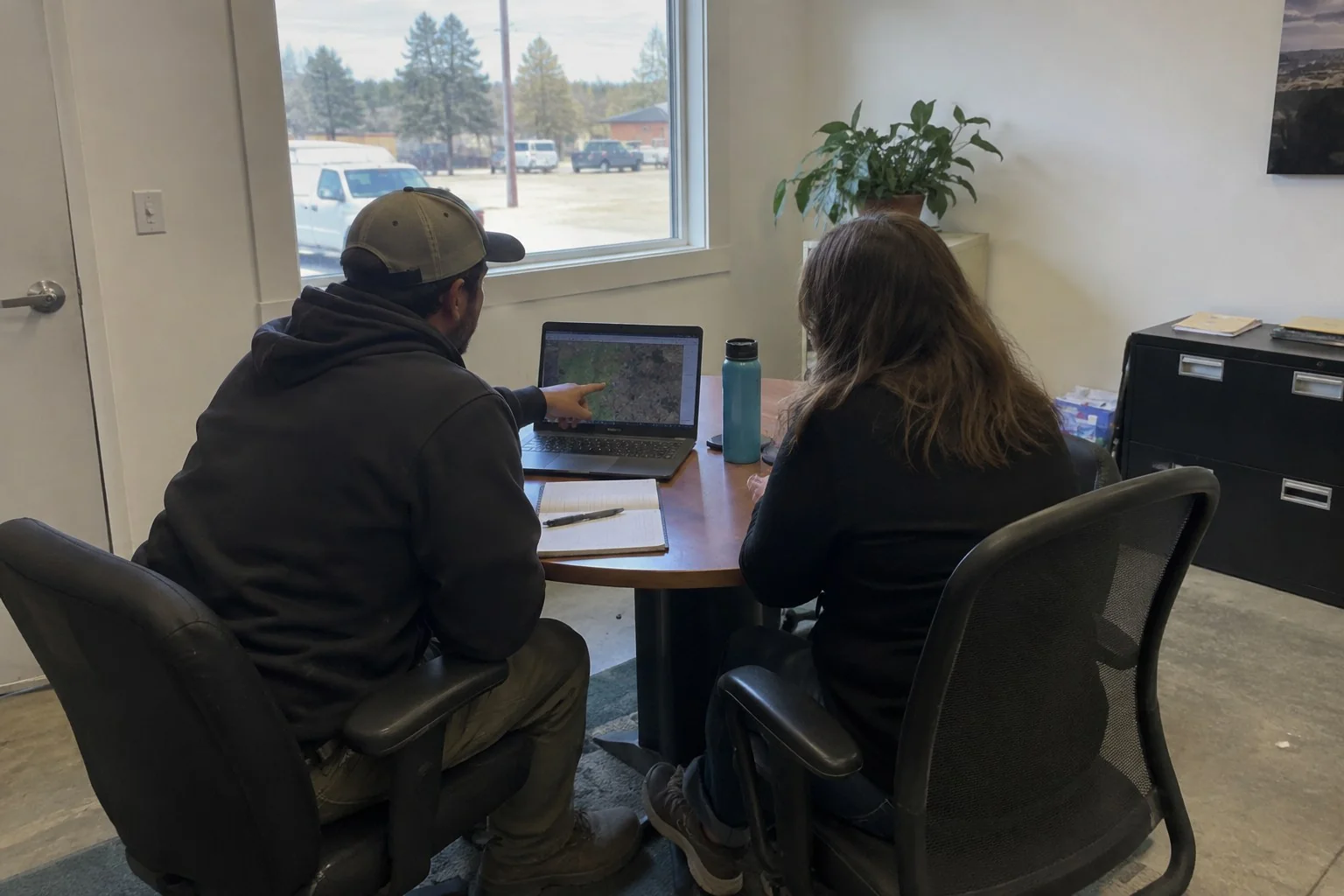
If you're searching for a free apartment locator in Austin and wondering where the catch is, you're asking the right question before you hand over your contact information. The honest answer is that a licensed locator's service really can cost you nothing, because the apartment community pays the fee instead of you. At One Place Locators, our TREC-licensed team explains this model to renters every week from our office on W St Johns Ave, and we'd rather you understand exactly how we get paid before you ever tour a unit with us.
Curious how the commission actually works? Ask us anything, at no cost to you.
Key Takeaways
- One Place Locators' search is free to renters: participating properties pay our brokerage a commission when a referred renter leases.
- In Texas, anyone who locates apartments for compensation must hold a TREC real estate license, and reputable locators share the Information About Brokerage Services form early in the process.
- Our search focuses on participating properties in OPL's referral network, not every Austin rental; other brokers may work under different service arrangements.
- Rent, availability, and locator policies change quickly in Austin, so confirm current pricing and availability directly with your locator or the property before you apply.
How a Free Apartment Locator in Austin Actually Gets Paid
One Place Locators uses a property-paid commission model. When you lease a participating unit through our referral, the property pays our brokerage according to its agreement with us. We do not add a locating fee or rent markup for you. Your rent and any property application fees, deposits, or other charges are governed by the quote and lease.
Our locating search does not require a renter-paid fee or payment to hold a list of options. If another service requests payment, ask for its written fee terms, verify its license, and understand what you are buying. A different fee model alone does not prove a service is illegitimate, but unexplained charges or misleading claims are warning signs.
Why Properties Are Willing to Pay
Communities pay locators because a qualified referral is cheaper than running ads that attract browsers who never tour. A locator has already talked with you about your budget, move-in date, and must-haves, so the property is spending its marketing dollars on someone closer to actually signing. That arrangement is standard across the Austin apartment industry and has been for decades.
What Determines the Commission Amount
Commission structures vary by property and change with market conditions. During periods of higher vacancy, some communities increase locator commissions to fill units faster, while communities with strong occupancy may pay less or pause locator participation altogether. None of this changes what you owe. Your rent is set by the lease, not by how the property compensates the locator who referred you.
TREC Licensing: Why It Matters to You as a Renter
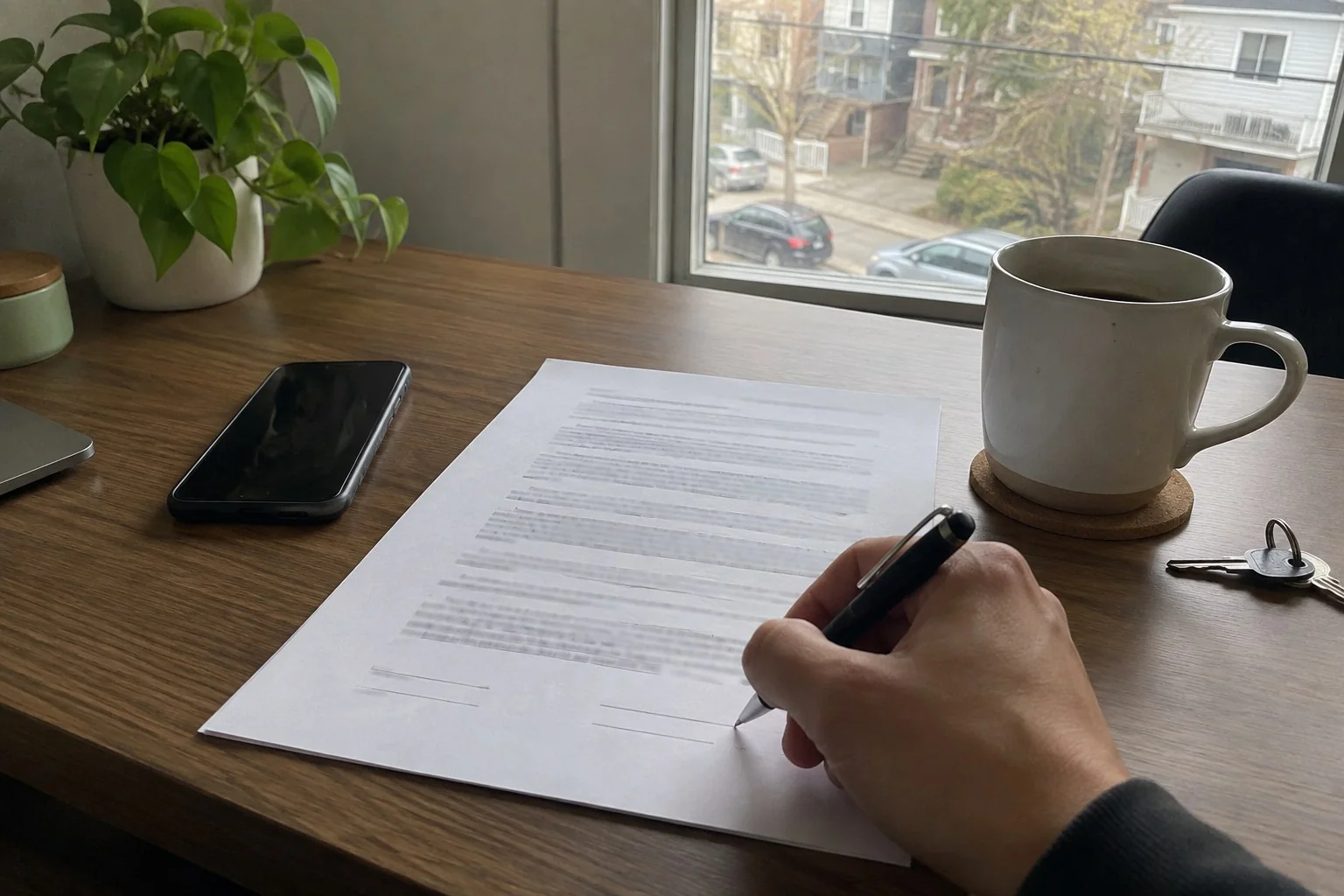
Texas requires a real estate broker or sales-agent license for apartment locating performed for compensation. A sales agent must work under a sponsoring broker; a licensed broker can operate independently. Verify the person's current license status and brokerage through TREC, and ask who they represent rather than assuming every locator has the same role.
The Information About Brokerage Services Form
TREC publishes a written notice about brokerage services called the Information About Brokerage Services form, commonly known as the IABS. It isn't always required for residential leases under one year, but reputable locators, including ours, share it early in the process. It explains what a broker and sales agent are required to do, whether the locator represents you, the property, or neither, and how to reach the responsible broker or brokerage. You can review our own Information About Brokerage Services form before your first conversation with our team.
What to Ask Before You Work With Anyone
Before you tour with a locator, ask for their name, current TREC license number, and brokerage details. If they are a sales agent, verify the sponsoring broker; if they are a broker, verify the broker license. Refusing to identify the licensed person or explain the service arrangement is a warning sign, but an independently licensed broker is not inherently a red flag.
| Question to Ask | What a Legitimate Locator Does | Red Flag Response |
|---|---|---|
| What is your TREC license number? | Provides it immediately, verifiable on TREC's website | Refuses, deflects, or says it isn't required |
| Are you a broker or a sponsored sales agent? | Explains license type and identifies the responsible brokerage | Will not provide verifiable license or brokerage details |
| Can I see the IABS form? | Shares the form and explains representation; legal delivery duties depend on the transaction | Has never heard of it or refuses to share it |
| Do I owe you anything if I lease? | Clearly explains their fee model; OPL charges no renter locating fee | Hides fees or contradicts an advertised free-service offer |
| Can you show me any property in Austin? | Explains their referral network honestly | Claims access to every single listing with no limits |
Want a licensed locator to answer these questions in person? We'll walk you through our credentials before we show you a single unit.
The Limits of Working With a Locator
Our property-paid model means OPL's search focuses on participating communities, not every rental in the city. Some owner-managed rentals and smaller properties do not participate. That is a limit of our service network, not a legal rule preventing every broker from helping with nonparticipating properties under another arrangement.
Who Falls Outside a Locator's Network
Some owner-managed properties, smaller communities, and individual houses or condos may fall outside OPL's participating network. Ask whether the property you want is included. If not, you may need to contact the owner directly or use another service with clearly agreed terms.
Why This Isn't a Reason to Skip a Locator
Many Austin apartment communities participate in property-paid locator programs. A good locator is upfront that their network has edges, and will tell you plainly if the type of property you want typically isn't covered. Our apartment locator service page outlines the areas and property types we typically work with across the metro.
A Note on Market Conditions
For market context, RentCafe's July 2026 Austin snapshot, as reproduced in EMLAKIE's September 18, 2026 summary puts Austin's overall apartment average around $1,641 a month. That historical citywide figure does not establish today's availability or a particular property's commission policy. Confirm current rent, move-in dates, and participation directly with the leasing office or our team.
What Locators Actually Do for the Fee They're Paid
Since the property, not you, funds a locator's work, it helps to know what that arrangement is buying you as a renter. Locators spend their days tracking real-time availability, pricing, and specials across dozens of communities, information that changes faster than most listing sites can keep up with.
Matching and Filtering
A locator narrows a long list of possible communities down to the ones that fit your budget, commute, pet situation, and move-in date, saving you hours of scrolling through outdated listings. Our guide on what an apartment locator is covers this process in more detail.
Scheduling and Touring
Locators coordinate tour times across multiple properties in a single day, which matters if you're relocating from out of town or juggling a tight work schedule. Our apartment tour service handles that logistics work directly.
Negotiating and Application Support
Because locators talk to leasing offices constantly, they often know which properties are currently offering specials or flexible move-in dates, and can advocate for you during the application process once you're ready to apply.
| Task | Doing It Yourself | Working With a Free Locator |
|---|---|---|
| Researching current availability | Manually check each property's site | Locator pulls current openings across their network |
| Comparing pricing and specials | Time-consuming, listings can be outdated | Locator has direct leasing office relationships |
| Scheduling tours | You coordinate each appointment separately | Locator batches tours into one trip when possible |
| Cost to you | Free, but your time cost is higher | Free, paid by the property's marketing budget |
| Coverage | Every listing you can find | Properties inside the locator's referral network |
Who Benefits Most From Working With a Locator
Working with a locator tends to help some renters more than others, mostly based on how much time and local knowledge you already have.
Renters Relocating From Out of Town
If you're moving to Austin without knowing the neighborhoods, a locator can explain the trade-offs between areas like the Domain, Mueller, and Zilker and Barton Hills before you ever fly in for a tour.
Renters With Limited Time
First time renters on a tight timeline, new hires with a fast start date, or anyone juggling a full work schedule often benefit most from having someone else track availability and book tours.
Renters With Specific Needs
If you need a pet-friendly building or corporate housing on a short lease, a locator who specializes in that niche can save you from calling dozens of properties that don't fit. Our pet-friendly apartments page covers that kind of specific search in more detail.
Ready to see what a licensed locator can pull together for your search? Let's get started, at no cost to you.
About One Place Locators
One Place Locators is a TREC-licensed apartment locating team based in Austin, founded by Anna Barber, Jess Rodriguez, and Michelle Morgan. We're upfront about how our commission model works, including our licensing, our IABS disclosures, and the boundaries of our referral network, because renters deserve to know exactly who is paying us before they trust our recommendations. With a 5.0 rating across 700+ reviews, our service stays free to renters across Austin and 14+ surrounding cities because property owners pay us when you lease.
Frequently Asked Questions
Is a free apartment locator in Austin actually free?
Yes, One Place Locators' locating search is free to renters. Participating apartment communities pay our brokerage when a referred renter leases, and we do not add a locating fee or rent markup. You still pay the rent and property charges stated in your lease. Other services may use different fee arrangements, so ask for their terms.
Do I pay more rent if I use a locator?
No. The rent on your lease is set by the property, and our locating service doesn't add a fee or markup to it. The locator's commission comes out of the property's own marketing budget, separate from the rent you're quoted.
How do I verify that a locator is actually licensed?
Ask for the person's name, TREC license number, and brokerage details, then check TREC's public license search. Sales agents must have a sponsoring broker; a licensed broker may operate independently. Also ask who the person represents and review the Information About Brokerage Services form rather than assuming the role from the title alone.
Can a locator show me every apartment in Austin?
OPL's free search focuses on participating communities in our referral network, not every Austin listing. Some independent landlords and owner-managed rentals fall outside it. Other brokers may serve those properties under different arrangements, so ask about coverage and fees rather than treating network participation as a universal legal restriction.
How long does it take to find an apartment with a locator?
Timing depends on your budget, move-in date, and how flexible you are on location and features. Renters who share clear must-haves and have their application documents ready usually move faster. Starting your search about 30 to 60 days before your move-in date typically gives you the widest selection.
What should make me walk away from a locator?
Refusal to provide verifiable license details, hidden fees, misleading free-service claims, or reluctance to explain representation are warning signs. A disclosed renter-paid fee alone does not prove misconduct, and a licensed broker can work independently. Verify credentials and get the service and payment terms in writing before proceeding.
A free apartment locator in Austin works because the property, not you, funds the commission, and understanding that model helps you evaluate any locator with confidence. Call One Place Locators at (512) 503-4355 or reach out online, and our TREC-licensed team will walk you through our licensing, our network, and how the search works for your move. Our office is at 811 W St Johns Ave #2103, Austin, TX 78752.
Disclaimer: The information in this article is provided for general informational purposes only and does not constitute legal advice. Licensing requirements and brokerage practices may change. Readers should consult a licensed Texas attorney or the Texas Real Estate Commission regarding their specific situation.
Ready to Get Started with One Place Locators?
Call (512) 503-4355 to speak with a licensed locator directly. We'll share our TREC license details, explain exactly how our commission works, and start matching you with properties in the neighborhoods you're considering. Reach out today and let's find your place.